A Deadbolt Needs a Clear Path
An electronic deadbolt still has to move a solid metal bolt through the same narrow opening as a manual one. A small motor turns the mechanism, but it is designed for ordinary operation—not to force the bolt through wood or metal that is pressing against it. When the door settles, its frame swells with moisture, or the hinges shift, the bolt can meet the edge of the strike plate instead of entering its opening cleanly.
That contact changes an easy rotation into a mechanical bind. The motor’s gears provide turning force, but they cannot make the bolt’s path straight; pushing harder may only increase strain on the mechanism. A person operating a key or thumb turn can sometimes feel the resistance and adjust the door by pulling or pushing it. An automated motor has no such feel unless the lock is specifically designed to detect and respond to resistance.
Why Price Isn’t a Cure
A higher price may buy features such as remote control, access codes, or activity alerts. Those functions do not necessarily give the motor more force or correct a door’s alignment. The lock and the door are separate pieces of hardware, and the strike plate—the metal opening in the frame—must line up with the bolt for either kind of deadbolt to work smoothly.
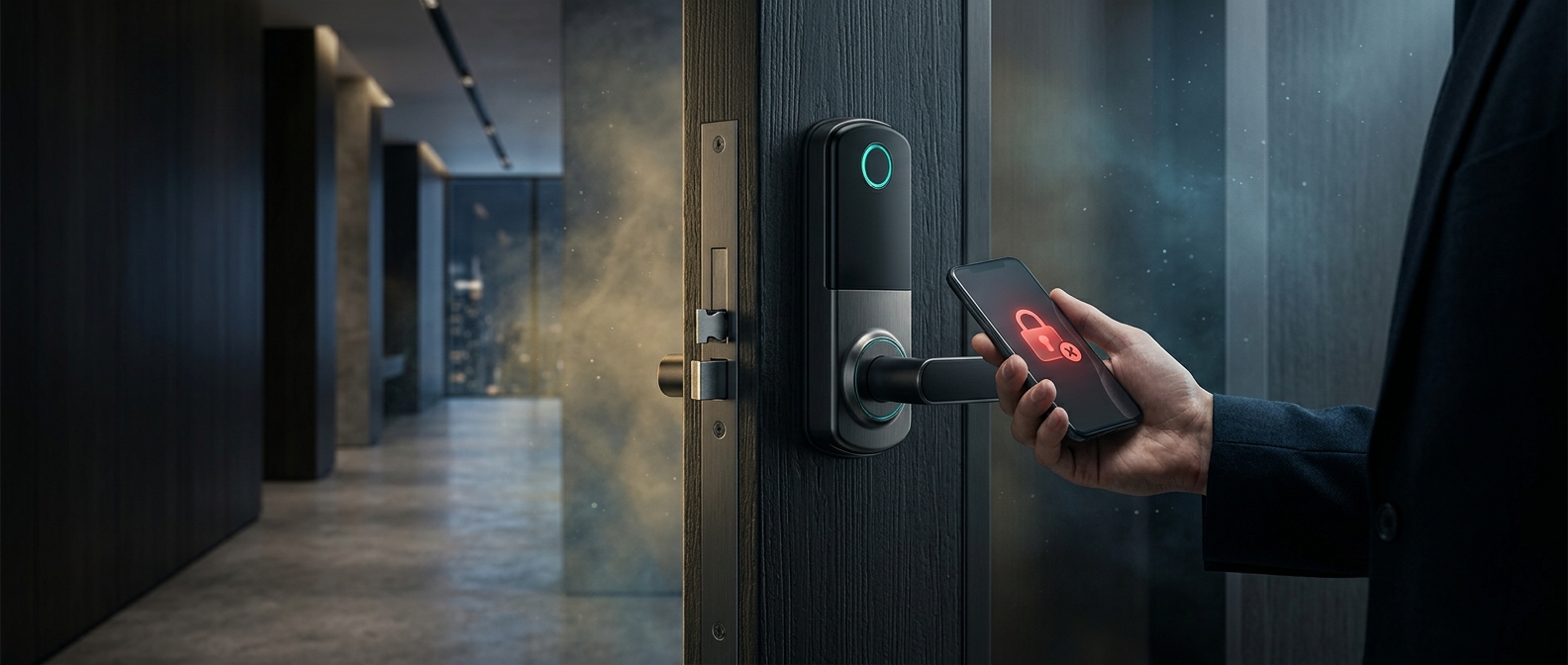
That distinction matters when a smart lock appears to fail unpredictably: the electronics may be working, while the door’s geometry is stopping the bolt. A lock can report that it tried to lock without the bolt actually reaching its secure position, so reliable operation depends on a freely moving bolt, not just a responsive app or powerful-looking device.