A device can become a sensor without your noticing
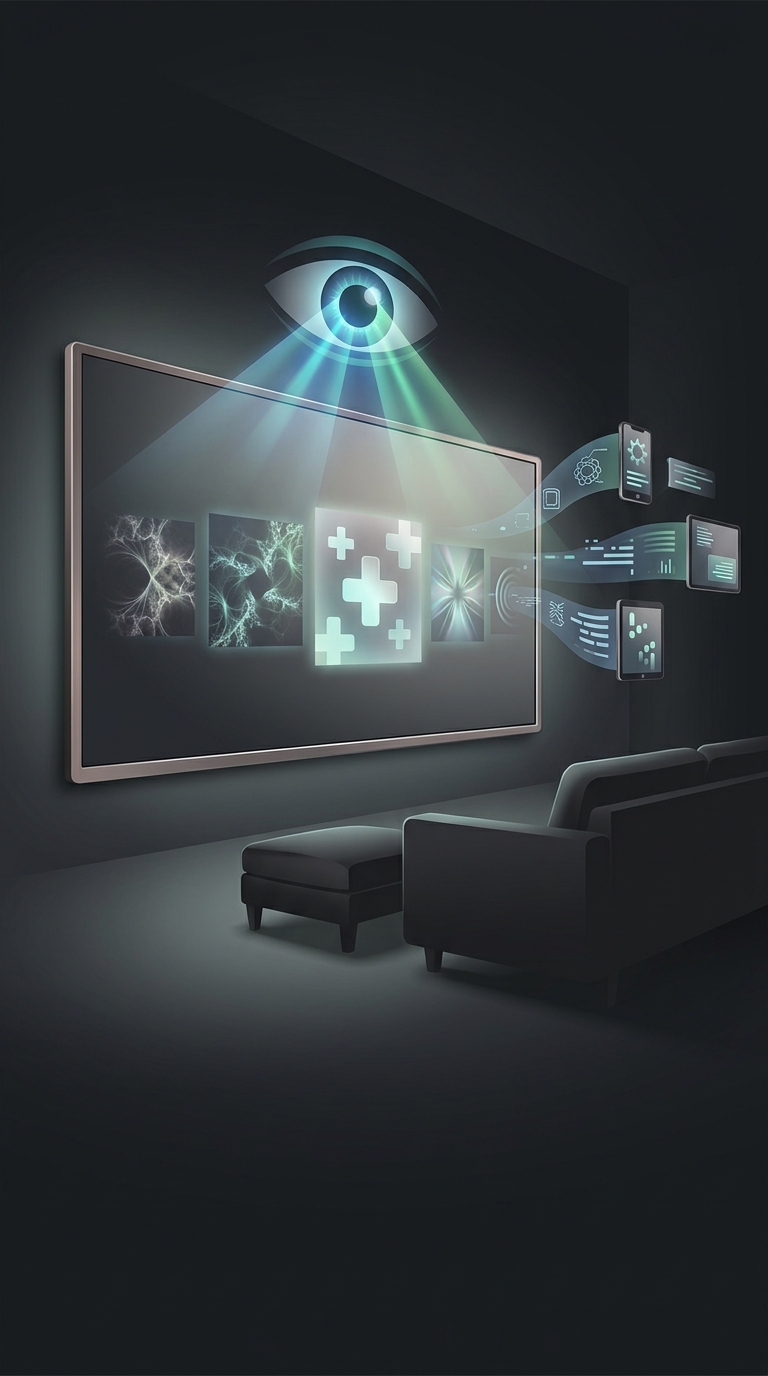
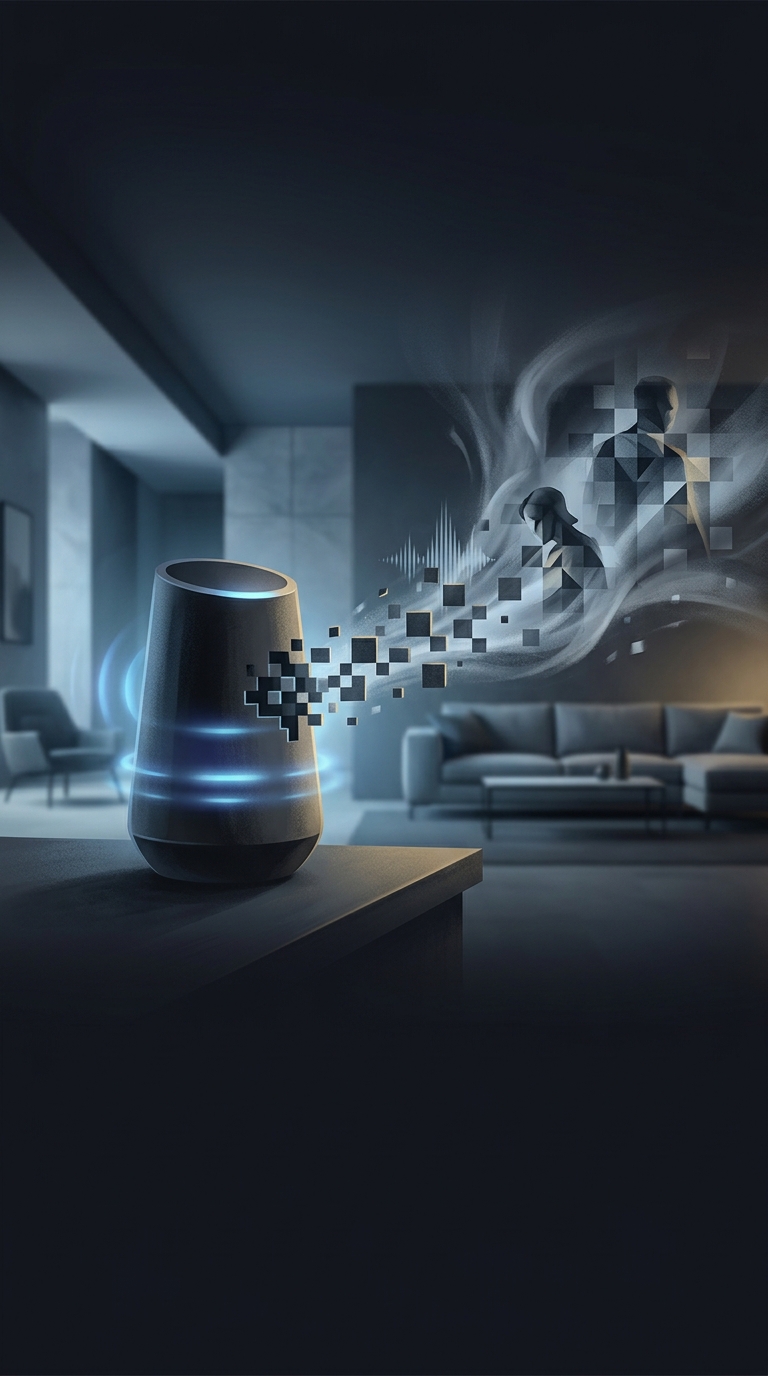
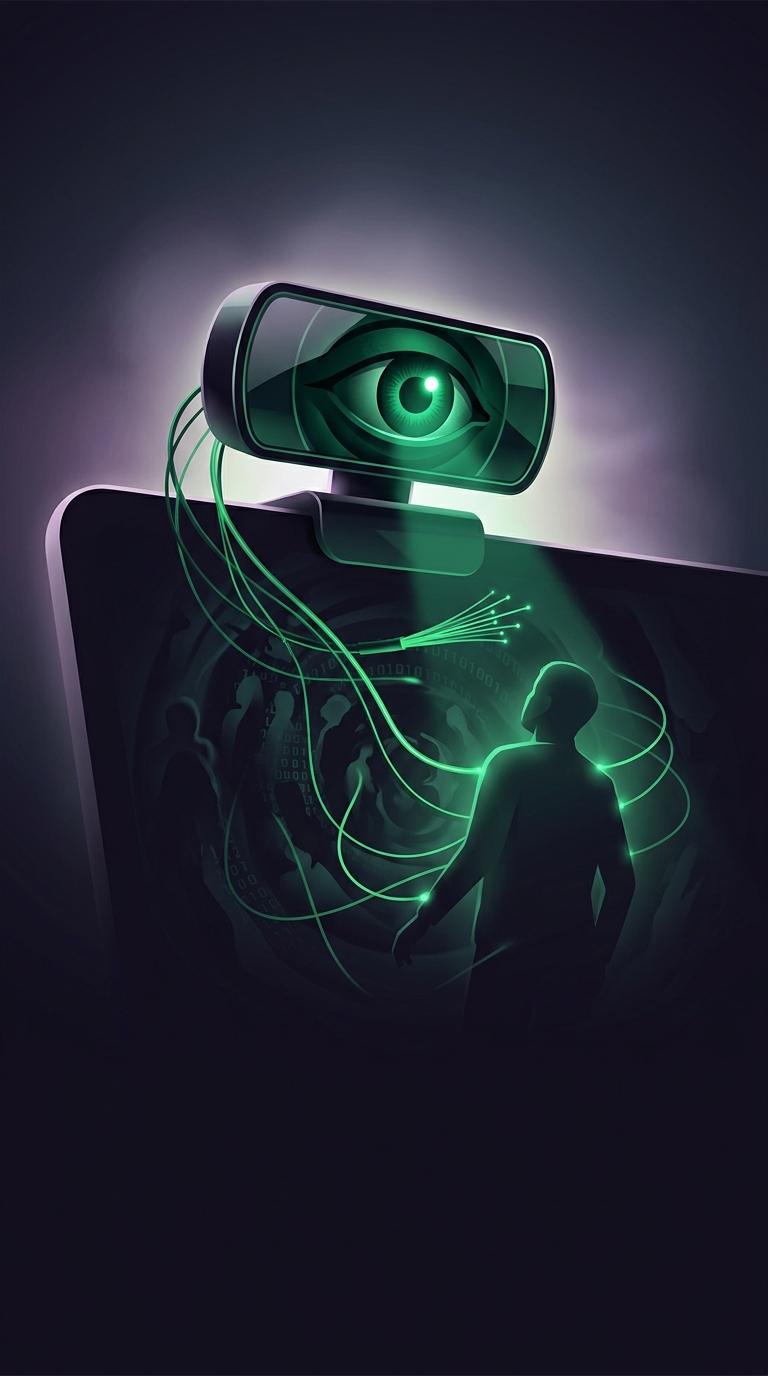
The unsettling possibility is that a camera or microphone connected to the internet may capture more than its owner intends. A webcam can expose a room if someone gains control of the computer or camera. A smart speaker, meanwhile, waits for a spoken wake word; it processes sound to detect that cue, and a misheard phrase can sometimes trigger recording or a request when nobody meant to activate it.
That does not mean every device is secretly recording everything. But the same connectivity that lets a gadget respond from across the room can create another route for accidental capture or unauthorized access. A camera’s tiny indicator light is not a guarantee that no one can see through it, and privacy settings can be difficult to interpret.
Why simple precautions appeal
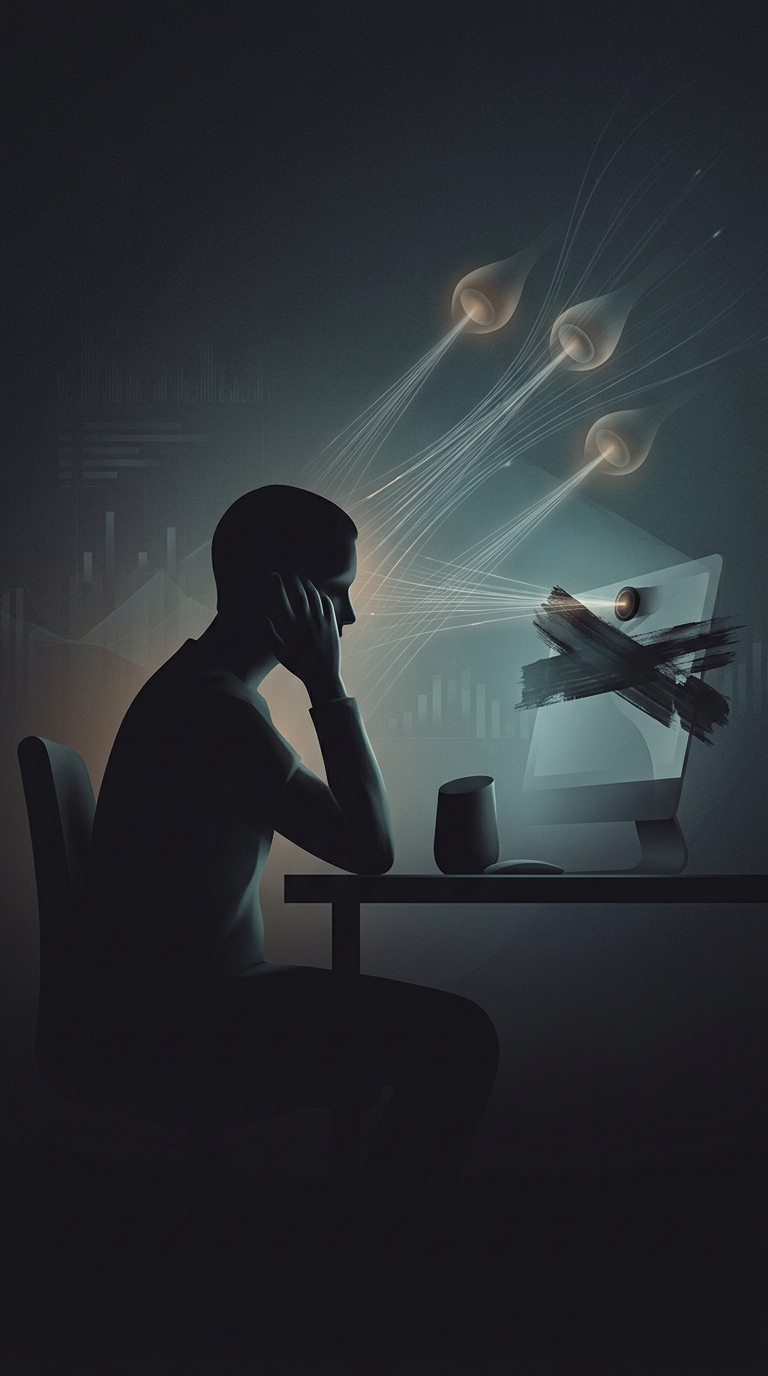
Tape over a webcam is a blunt but reliable barrier: if the lens is covered, the camera cannot show the room. Muting a smart speaker or switching off its microphone stops it from hearing a wake word, though the exact control depends on the device. These steps do not secure the rest of a computer or erase data already stored, but they reduce what particular sensors can collect.
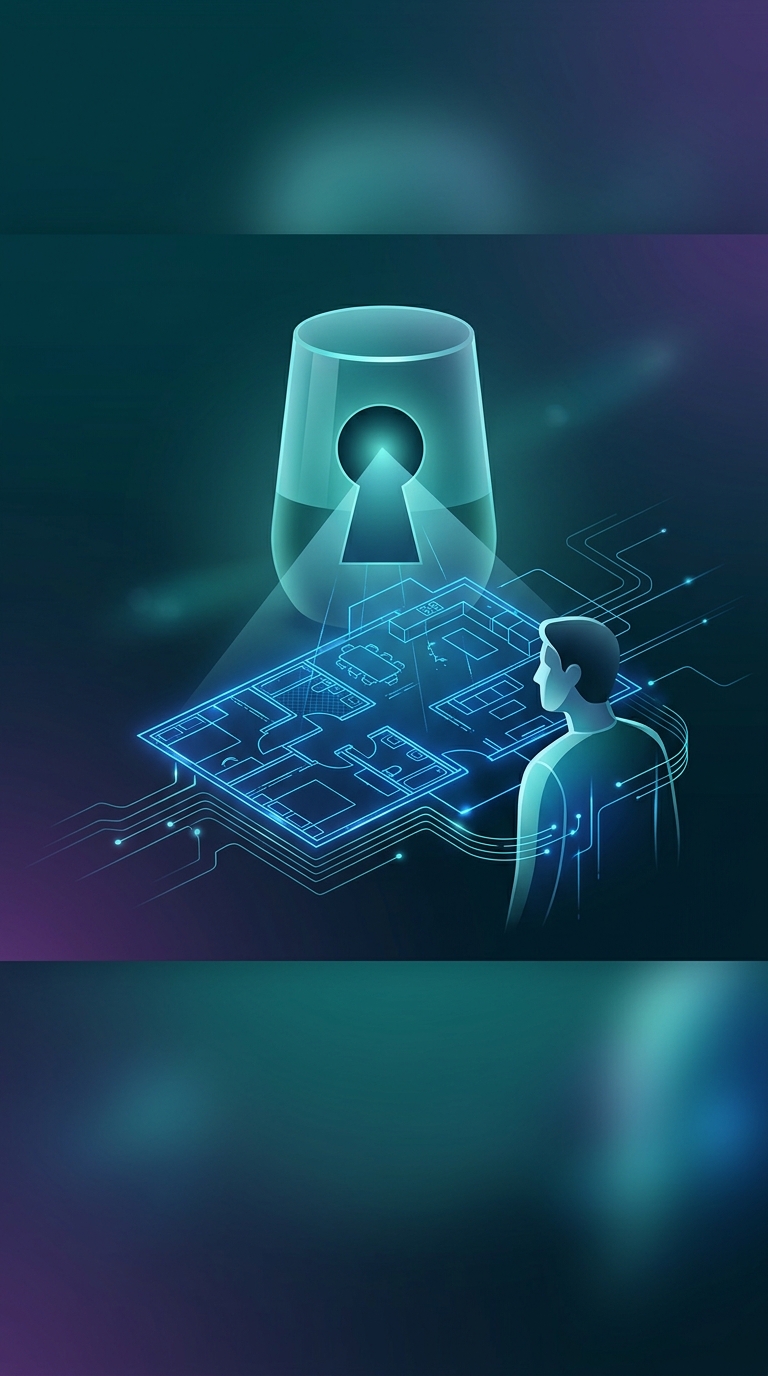
The deeper lesson is about convenience and control. A connected device must listen or remain reachable in some form to respond quickly; that access is useful, but it also makes the device part of the household’s privacy boundary. A strip of tape is memorable because it turns an invisible risk into a visible choice: when the camera is covered, the room stays out of its view.