Why a Car Is Built in Modules
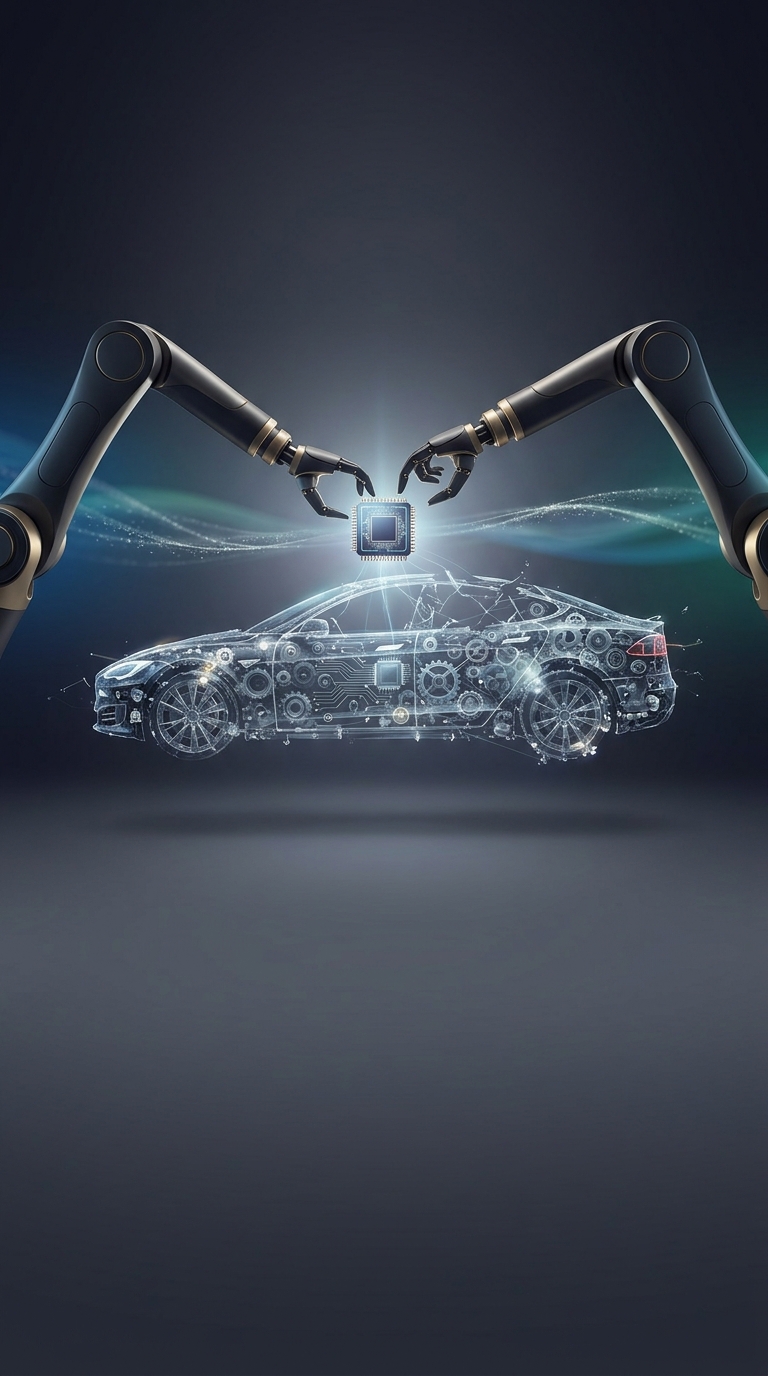
A carmaker does not simply gather thousands of parts and attach them wherever they fit. The vehicle is divided into modules—larger assemblies such as seats, doors, or the instrument panel—that can be built and checked separately before they reach final assembly. This lets specialized teams work on complicated sections without crowding the main line, where each station has only a short window to do its job.
The boundary between modules matters. A dashboard must connect to the body, wiring, and controls in the right places; a seat must line up with its mounting points. Those interfaces are designed in advance, so a completed module can be installed as a unit rather than rebuilt from scratch inside the car.
Keeping the Line in Sequence
At final assembly, the body moves through a series of stations. Workers or machines add particular components at each stop, while suppliers deliver many assemblies in the order the plant needs them. This coordination reduces the space and time required to store every possible part beside the line—but it also means a late or mismatched delivery can interrupt work downstream.
Cars that look alike may have different engines, seats, screens, or other options. The factory therefore has to match each arriving module to the vehicle being built, not merely send the same part to every station. Labels, tracking systems, and production schedules help preserve that match as vehicles move through the plant.
The Hard Part Is Making Everything Fit
A module can be correct on its own and still fail to fit the car if its dimensions or connections are off. Manufacturers control those measurements and test assemblies before installation, then inspect the finished vehicle for problems that only appear when parts work together—such as a poorly aligned panel or a faulty electrical connection.
That is the real advantage of the “kit” approach: complexity is divided into manageable jobs, but the interfaces between those jobs must remain precise. A car comes together quickly on the line because much of the difficult fitting and checking has already happened elsewhere.