Why a Car Needs So Many Lines of Code
A modern car is not controlled by one central computer doing one job. It contains multiple electronic control units—small computers assigned to particular tasks. One may manage engine behavior, another braking or airbags, while others handle the dashboard, climate controls, or driver-assistance features. Each unit runs software, and many must exchange information to make the vehicle behave as one machine.
That coordination is where complexity grows. A stability system, for example, may use wheel-speed readings to detect a skid, then adjust braking or engine power. Its decisions depend on sensors, timing, and signals from other systems. Software has to account not only for ordinary operation but also for what to do when a reading is missing, a component fails, or two systems need different things at once.
More Features Mean More Integration Work
Adding a screen or a new driver aid does not simply add one isolated program. The feature may need data from existing sensors, communicate with other computers, and avoid interfering with safety-critical functions. Manufacturers also have to test combinations of hardware and software across different vehicle models and configurations.
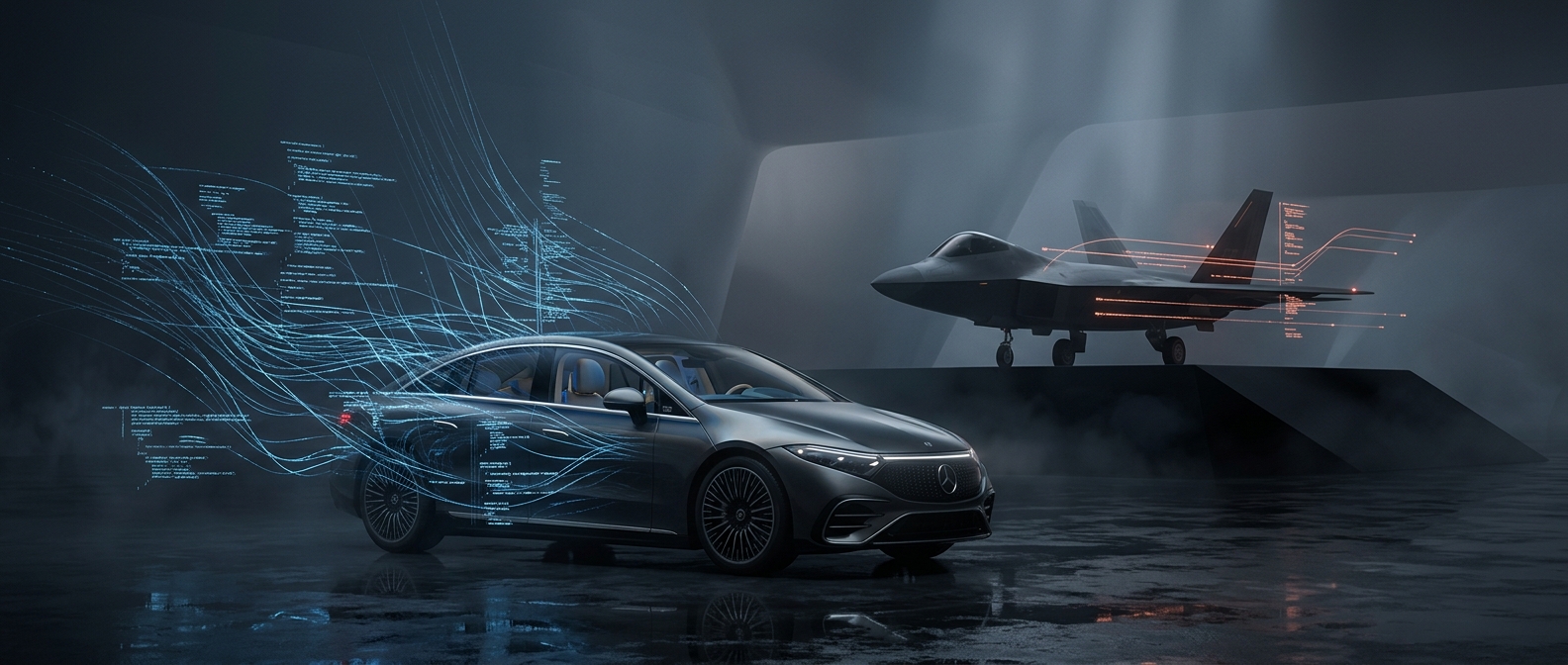
This helps explain why a car can contain an extraordinary amount of code—and why comparing its total with a fighter jet’s can be misleading without specifying what is being counted. The useful point is that a vehicle’s software burden reflects its many interacting jobs, not just its visible gadgets.
When those systems work well, the coordination is nearly invisible. When a fault appears, a small software problem can affect a feature that depends on information from elsewhere, which is why dependable behavior matters as much as adding new capabilities.