Why a thin wall can resist a shove
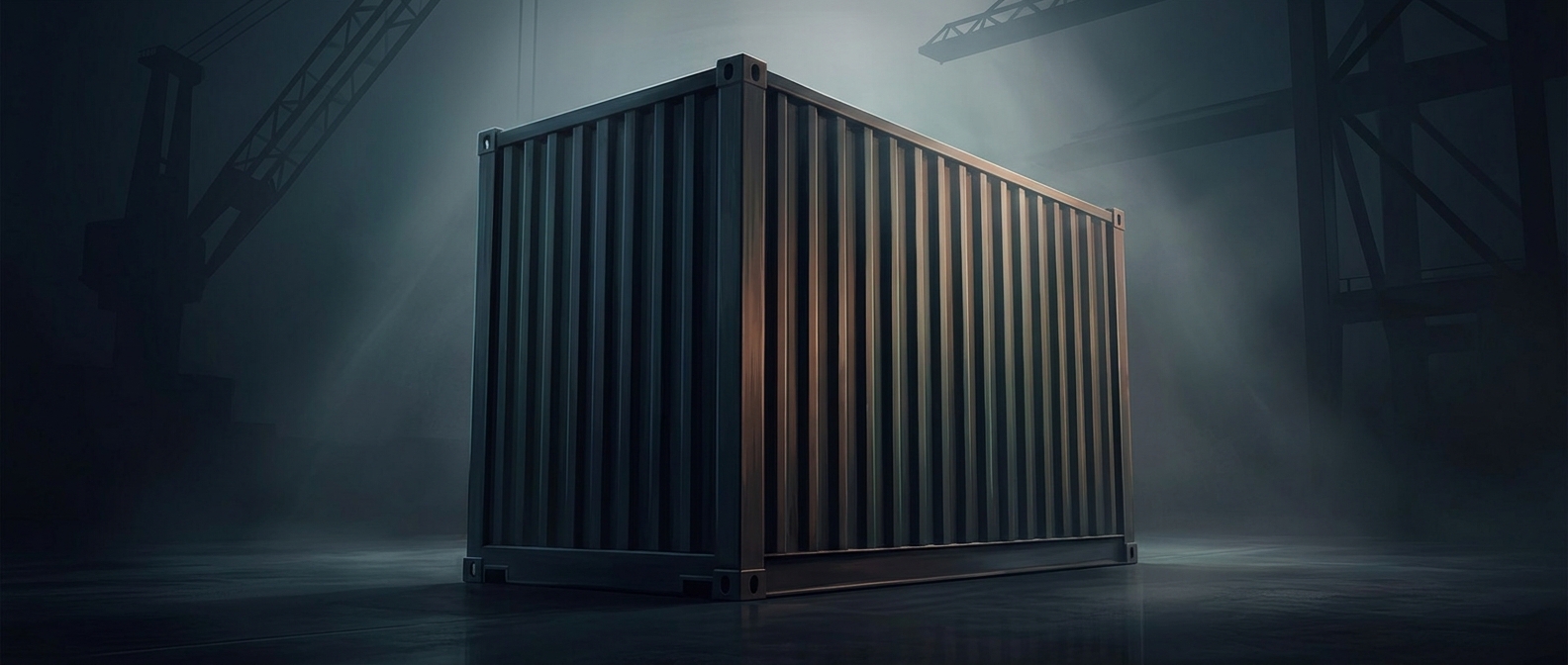
A flat sheet of steel is easy to bend because nearly all its material lies in one plane. Press on it, and the sheet can bow; under compression, it may buckle, suddenly folding out of shape. Corrugation changes that geometry. Each ridge and valley moves some steel away from the wall’s flat plane, making the panel harder to flex—much as a folded sheet of paper can stand more firmly than a flat one.
The folds also help spread a push across neighboring parts of the panel. Instead of behaving like one broad, floppy sheet, the wall acts more like a series of connected channels. That gives a large surface useful stiffness without filling it with extra metal.
Stiff walls, but not a solid box
A freight container has to endure handling, vibration, and forces from cargo pressing against its sides. Corrugated panels help the walls keep their shape under those loads while keeping the container’s structure relatively light. The same principle appears in other thin-walled structures: shape can provide strength that would otherwise require more material.
The walls do not carry every major load by themselves. In particular, the container’s corner structure is important when containers are stacked. Corrugation is a practical division of labor: the panels resist bending and help stabilize the box, while stronger structural elements take concentrated loads. The result is a wall that is stiff where it needs to be, without turning the container into a heavy solid shell.