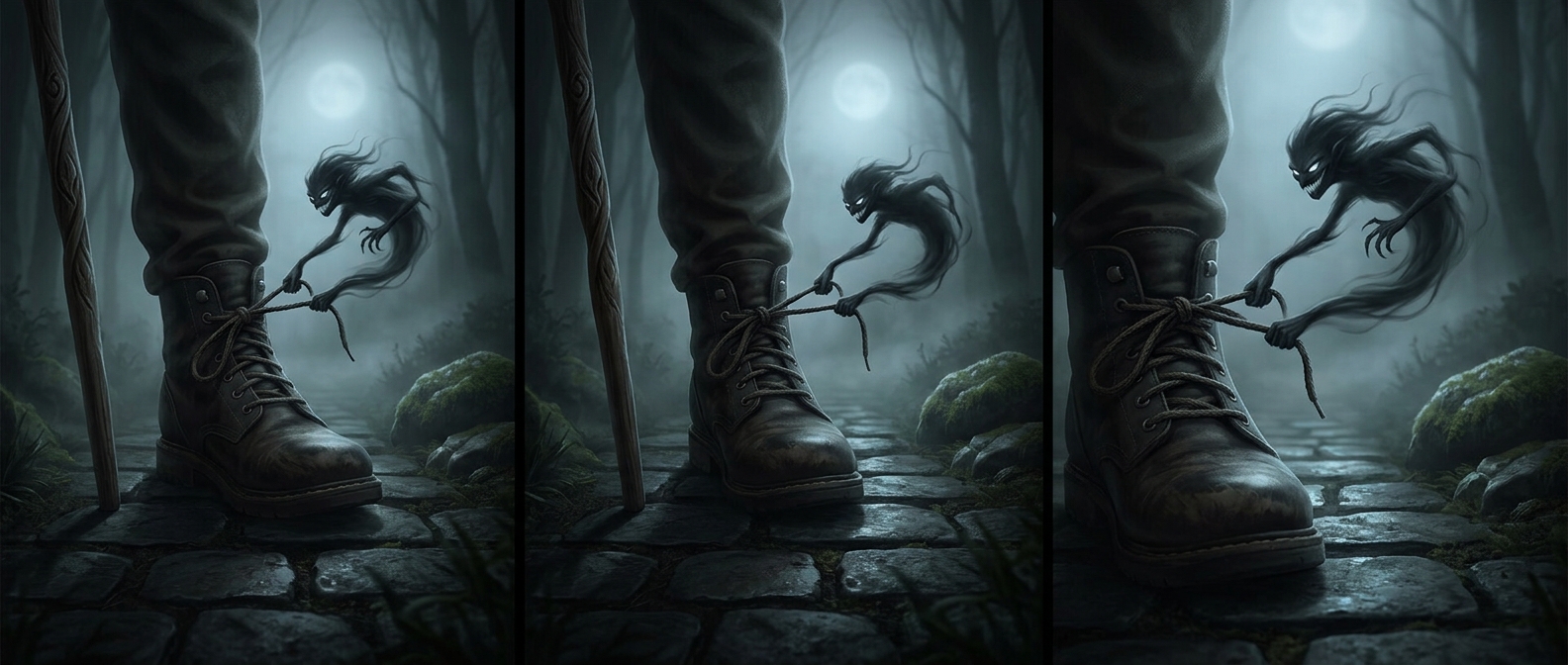
Why a Boggart Made a House Feel Occupied
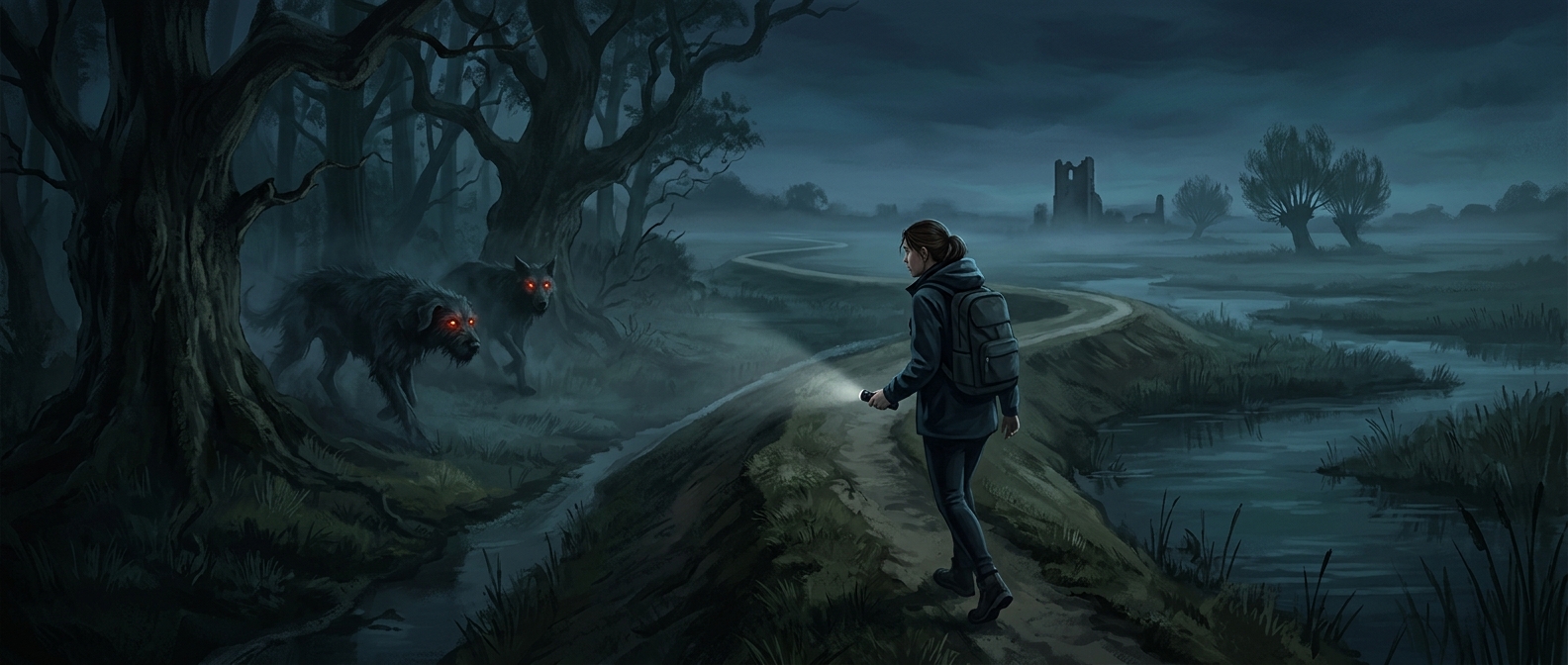
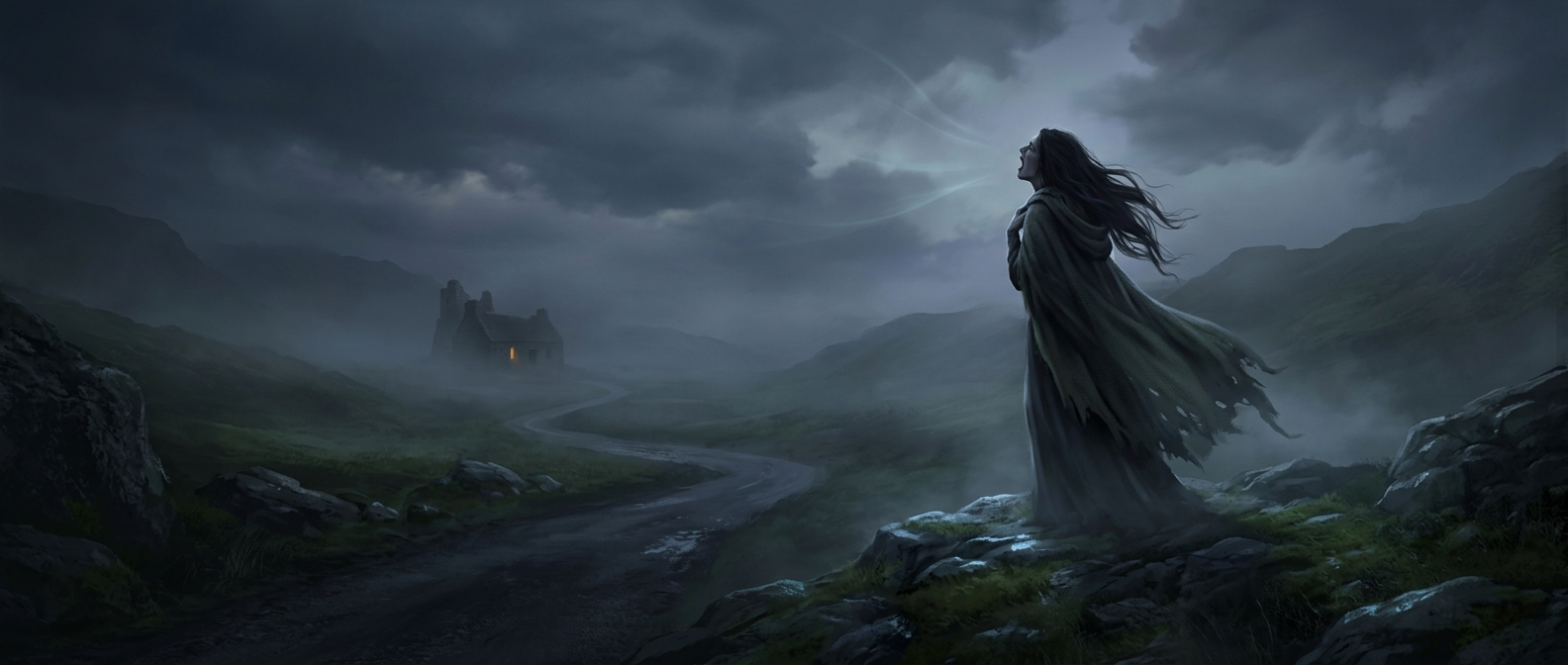
In British folklore, a boggart was less a monster to encounter than a nuisance inferred from what went wrong at home. A missing tool, spoiled milk or unexplained clatter could be blamed on an unseen spirit with a spiteful, sometimes mischievous character. The explanation gave ordinary frustrations a culprit—and made the house itself seem to have a temper.
The name and the spirit’s behavior varied from place to place. In some traditions, a boggart was associated with a particular home or patch of land; elsewhere, the word could describe a more general troublesome being. That local variation matters: there was no single, fixed boggart story shared by everyone.
A Roommate You Couldn’t Simply Ignore
Because the boggart was tied to everyday domestic trouble, stories often treated it as an ongoing relationship rather than a one-time haunting. People might try to placate it or get away from it by leaving. But in some tales, the trouble followed the household, turning the move itself into the punchline: even a new home could come with the same unseen tenant.
That is what makes the boggart feel like a folklore version of a bad roommate. It takes small, familiar annoyances and gives them a personality—one that can make every vanished object or souring jug feel just a little less accidental.