A sound-room label becomes a character name
In film editing, a phrase such as “Reel Two, Dialog Two” is practical shorthand: it identifies a particular piece of material so people working with picture and sound can find the right section quickly. On a production, that kind of clipped technical language is part of the everyday work, not an attempt to invent a name for the screen.
But shorthand can have an unexpected second life. Condensed into letters and numbers, it sounds less like a filing instruction and more like a machine’s serial designation. The rhythm also matters: the name is brief, easy to say, and distinctive enough to stick in a viewer’s memory.
Why the name suits an astromech
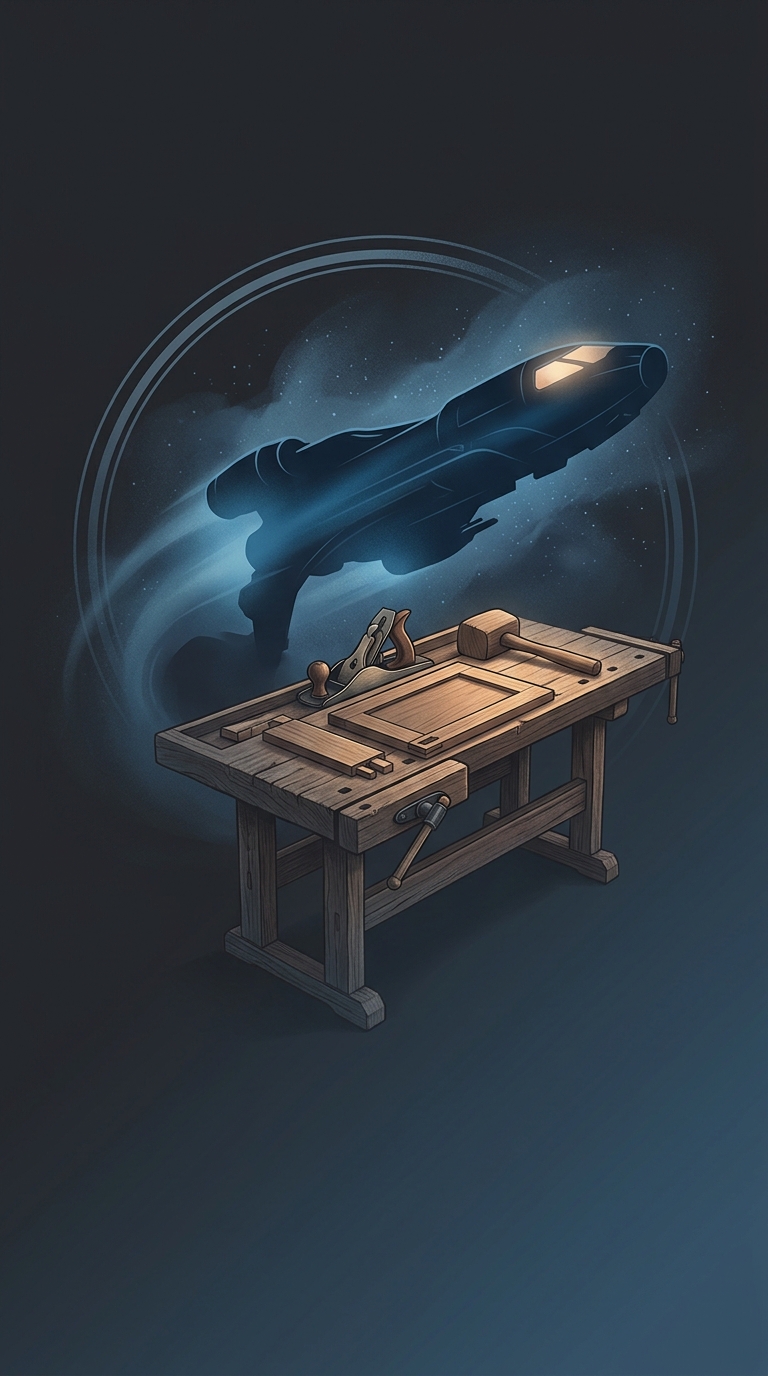
R2-D2’s label carries a useful tension. It feels mechanical because it resembles an identifier, yet it is compact enough to work as the familiar name of a particular character. That balance suits an astromech droid—a mobile robot built to assist spacecraft crews—whose identity is conveyed less through ordinary speech than through its sounds, actions, and relationships with people.
The name’s production-room origin also captures a broader feature of movie-making: details meant to solve practical problems can become part of a story’s world. A piece of workaday editing language ended up sounding as if it had been designed for a galaxy of machines.