Profanity as Part of the Film’s Rhythm
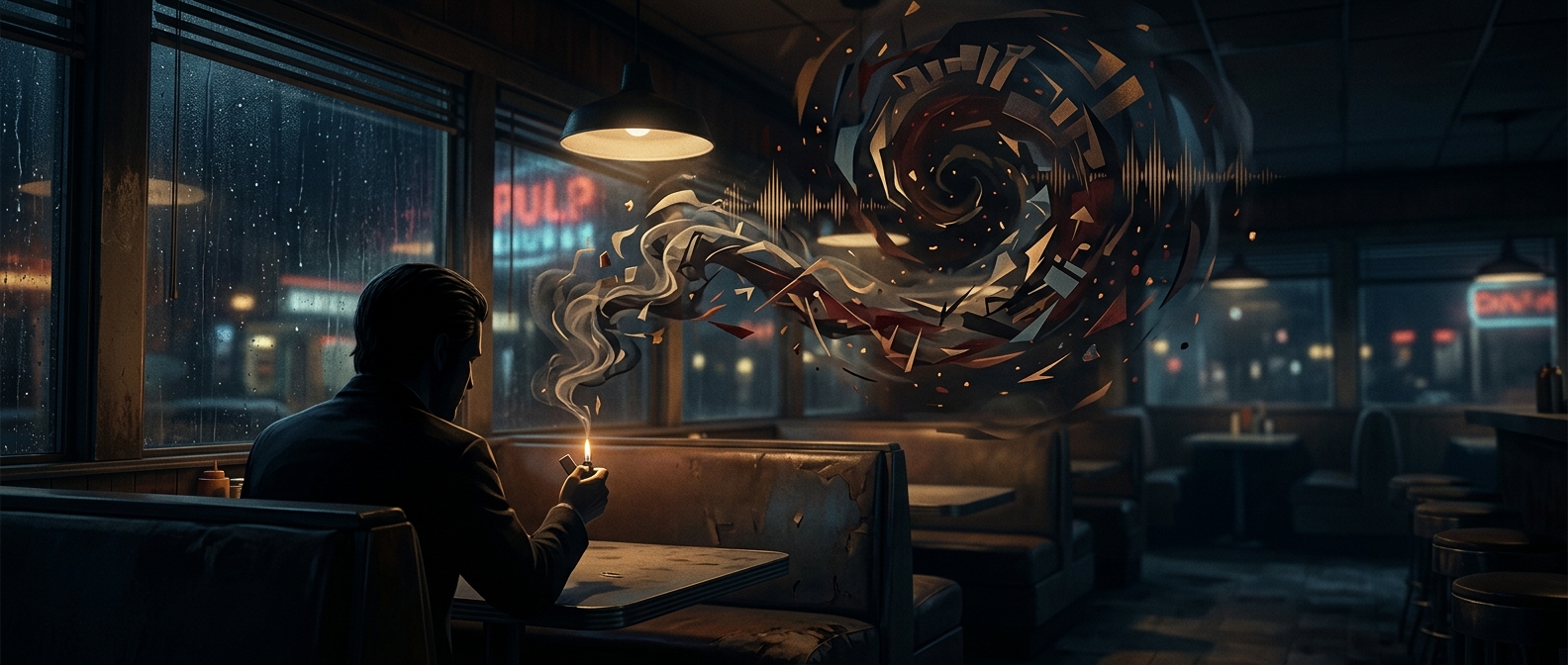
In Pulp Fiction, the f-word is not merely an intensifier repeated at random. It helps make the dialogue feel like overheard conversation: characters use it to express irritation, surprise, emphasis, or familiarity, often shifting between those meanings within a scene. That flexibility lets the same word carry different emotional weight depending on who says it and what is happening.
The effect depends on contrast. A casual, profane exchange can make a character seem relaxed; the same language in a tense moment can sharpen a threat or make an abrupt reaction funny. Because the film moves among different characters and episodes, the dialogue also helps establish each scene’s social texture without pausing to explain it.
A Record That Reflects a Creative Choice
A high count is easy to tally, but it does not explain why the language stands out. The more telling choice is that the film allows its characters to speak in an unpolished, sometimes repetitive way rather than smoothing their conversations into conventional movie dialogue. Profanity becomes part of the pacing, alongside pauses, interruptions, and sudden changes in tone.
That choice has a practical consequence: the film’s verbal style is immediately recognizable, but it also shapes how audiences hear its characters. The language can make ordinary talk feel vivid—and make a quiet stretch of dialogue feel charged because the next outburst is never far away.