How a Few Clocks Became a Movie “Fact”
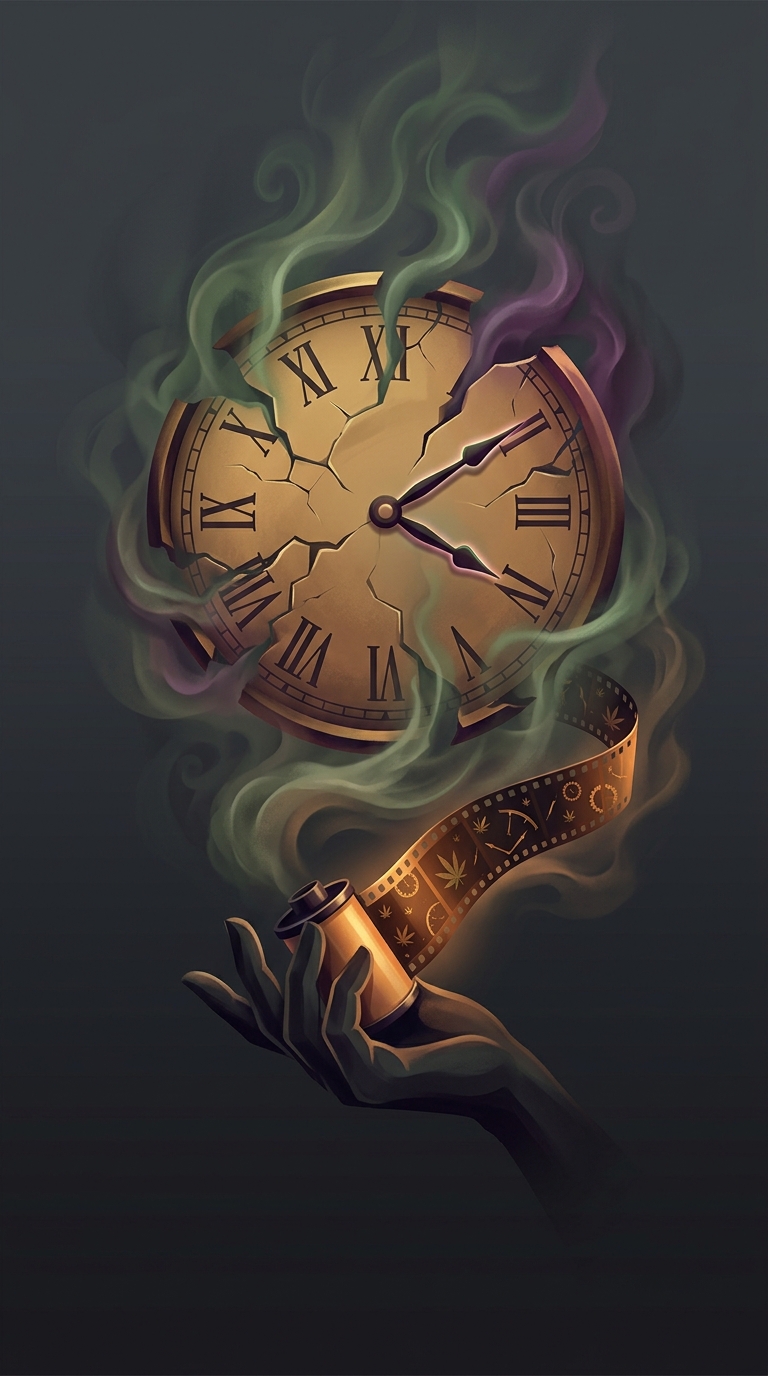
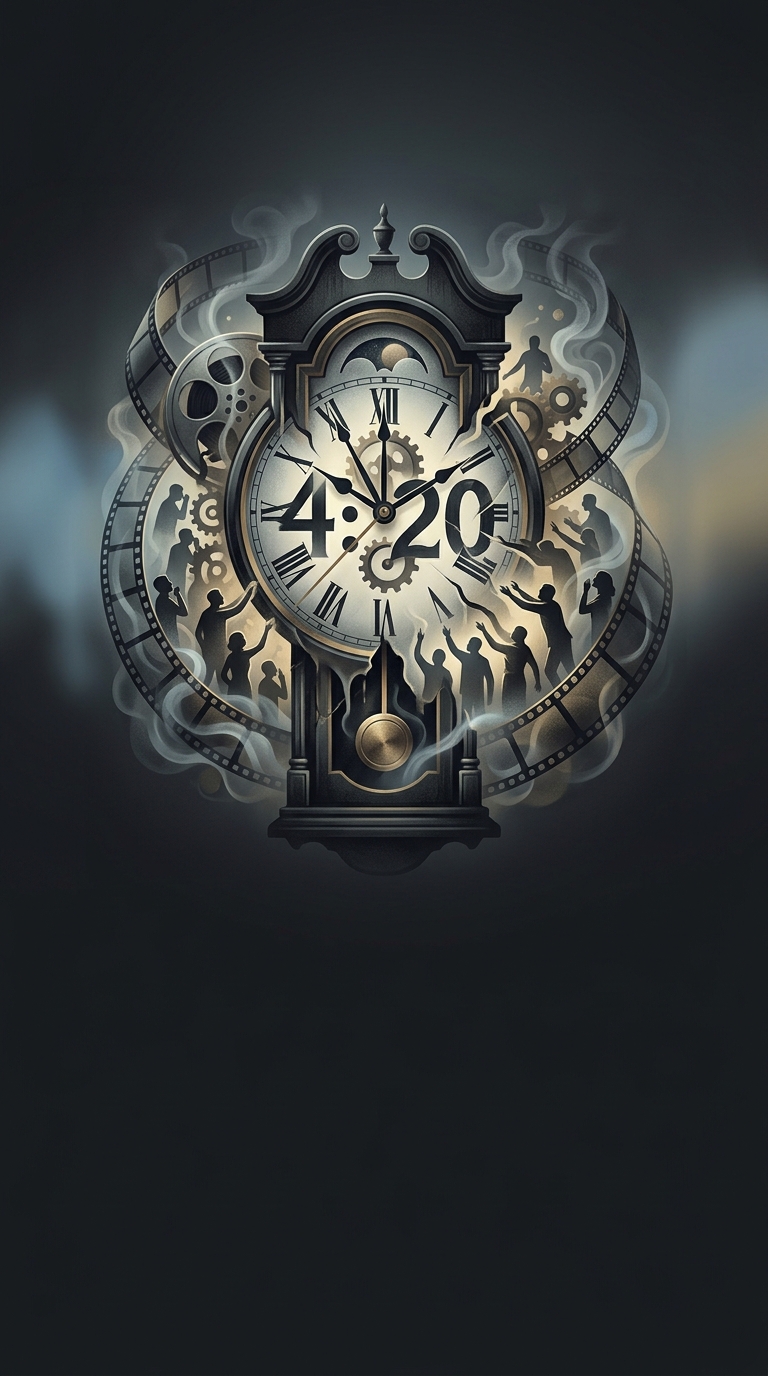
The claim that every clock in Pulp Fiction reads 4:20 is easy to repeat—and easy to check against the film. Some clocks in the pawnshop sequence do show that time, but clocks elsewhere display different times. The all-clocks version turns a small, visible detail into a sweeping claim.
Why the Detail Sticks
4:20 is widely associated with cannabis culture, so the number invites viewers to read the clocks as a private joke. Once that interpretation circulates, each matching clock feels like evidence, while the mismatches are easier to overlook. Repetition does the rest: a memorable detail becomes a supposed pattern, and the supposed pattern becomes a bit of movie trivia.
Tarantino has debunked the claim that every clock in the film is fixed at 4:20. That correction does not erase what viewers can see in the pawnshop; it narrows the claim to what the images support. A few clocks show 4:20, not every clock in the movie.
The Rumor Becomes Part of the Viewing
The story persists partly because it offers a satisfying way to watch: scan the background for a hidden reference, then share the discovery. The clocks become less a production mystery than a small audience-made game—one that gains energy from the gap between a suggestive coincidence and a deliberate, film-wide rule.
That distinction is the useful takeaway. In Pulp Fiction, 4:20 is a detail in one scene, while the claim that the whole film’s clocks are frozen at that time is a rumor viewers have helped keep alive.