A star-shaped lesson built into the game
In the traditional Christian interpretation of the Mexican piñata, its shape and the way people play are part of the same lesson. The seven points stand for the seven deadly sins: pride, greed, lust, envy, gluttony, wrath, and sloth. The piñata turns an abstract moral idea into something children can see—and try to overcome.
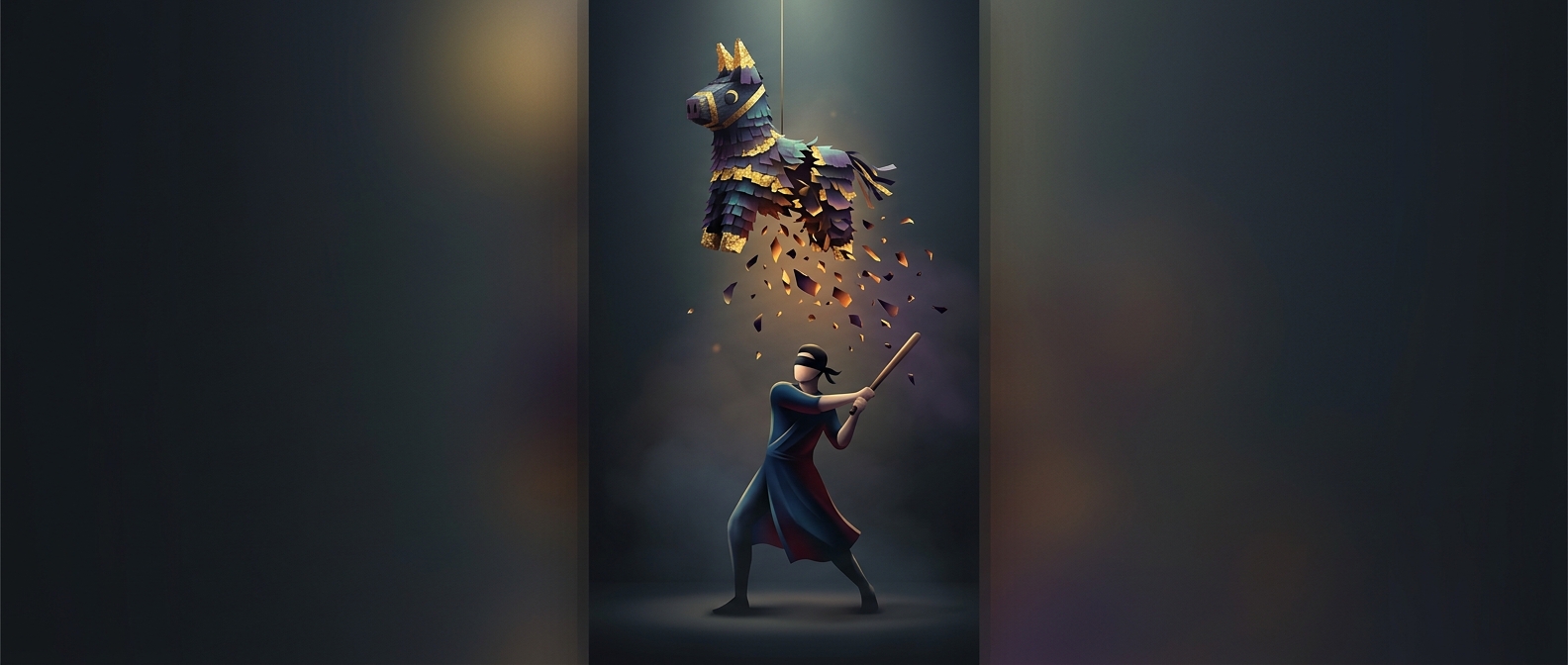
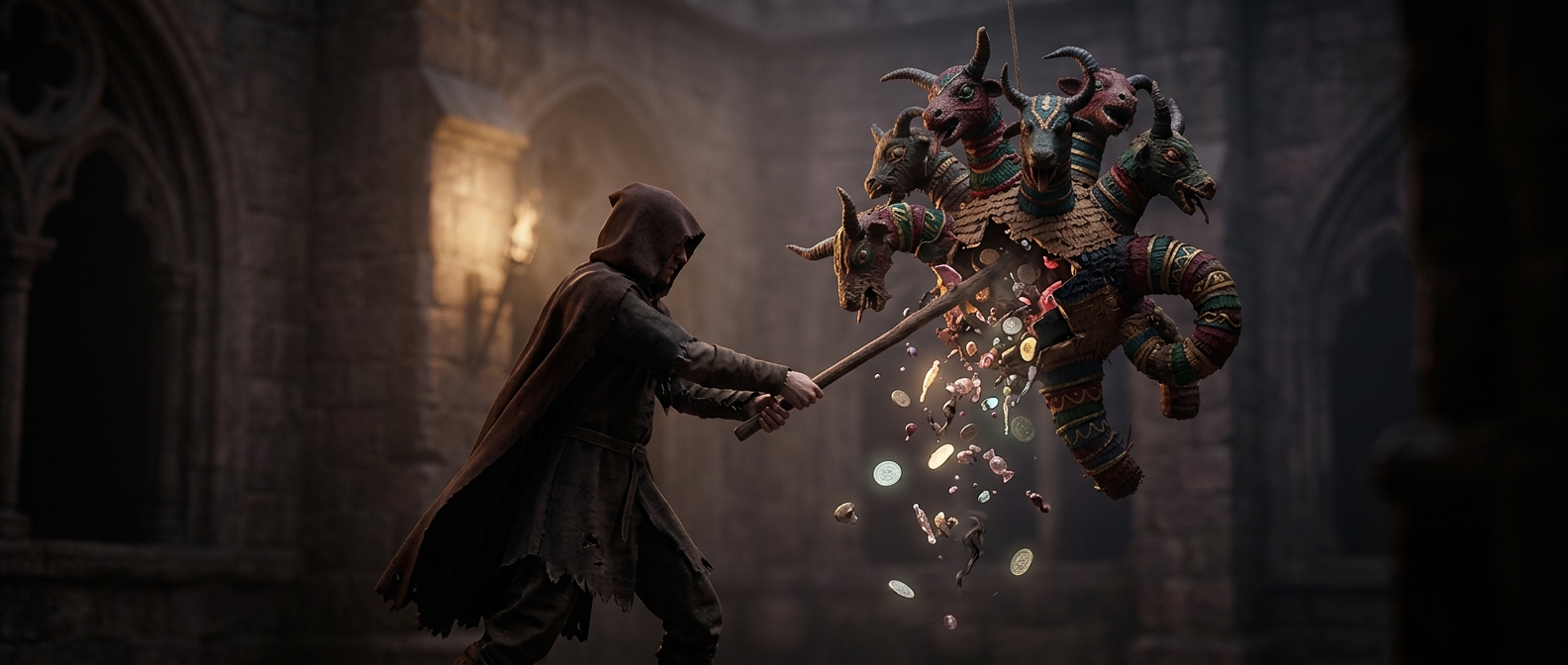
The game adds another layer. A player is blindfolded and swings at the piñata without being able to see exactly where it is. In the symbolism, the blindfold represents faith: acting without relying entirely on sight. The stick, in turn, is commonly understood as the means of resisting or defeating temptation.
Breaking the shell changes the meaning
The piñata’s bright surface can make it inviting, while its contents remain hidden. When it finally breaks, fruit or sweets spill out. In the traditional reading, that reward represents the blessings received after resisting sin; in the game itself, it also gives everyone a tangible reason to cheer and join in.
The symbolism works because the players enact it rather than simply hear an explanation. They take turns swinging, miss, adjust, and eventually help bring the piñata down. A party game becomes a small moral drama: temptation is struck at, and the reward appears only when the shell gives way.