Why an Ear Injury Can Change Its Shape
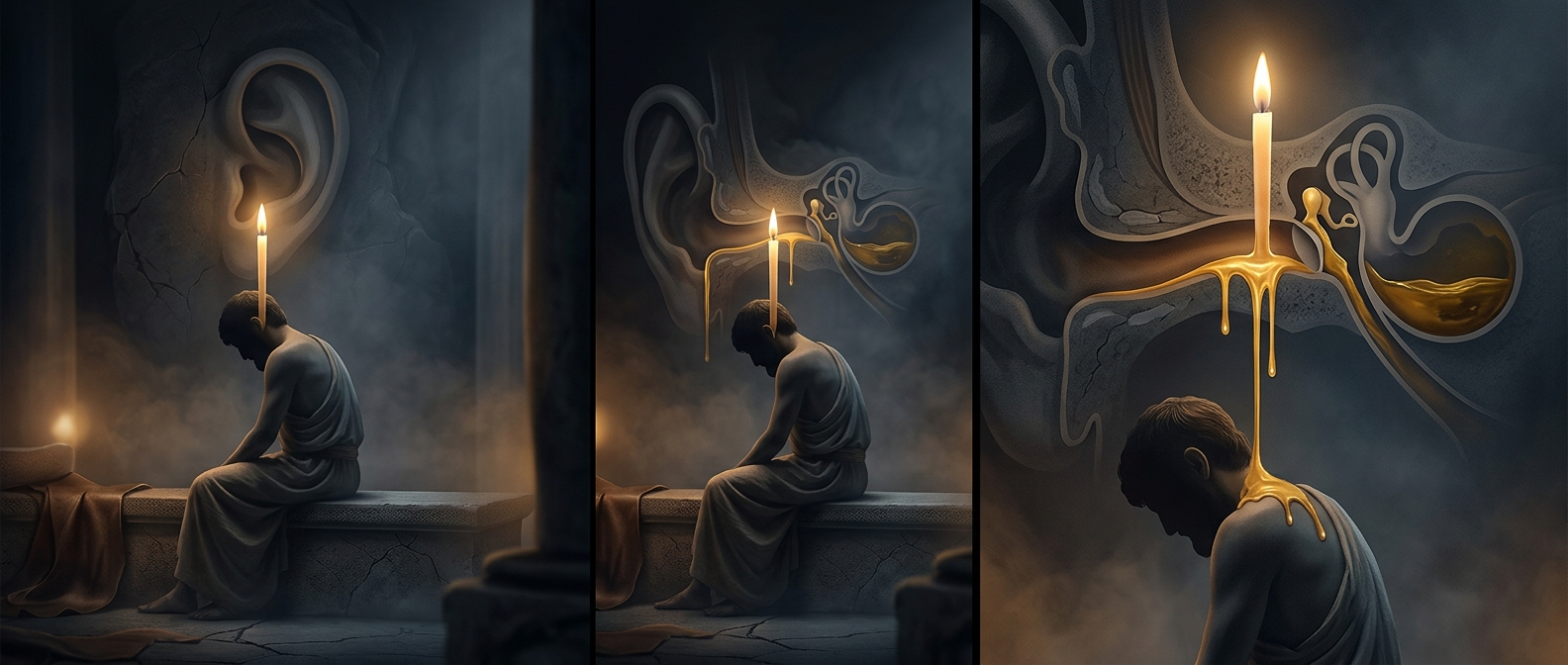
The outer ear is mostly cartilage: firm, flexible tissue with little direct blood supply of its own. It gets much of the oxygen and nutrients it needs from a thin layer of tissue wrapped around it, called the perichondrium. A hard blow can tear the connection between these layers, creating a pocket where blood or other fluid collects.
How a Pocket Becomes a Deformity
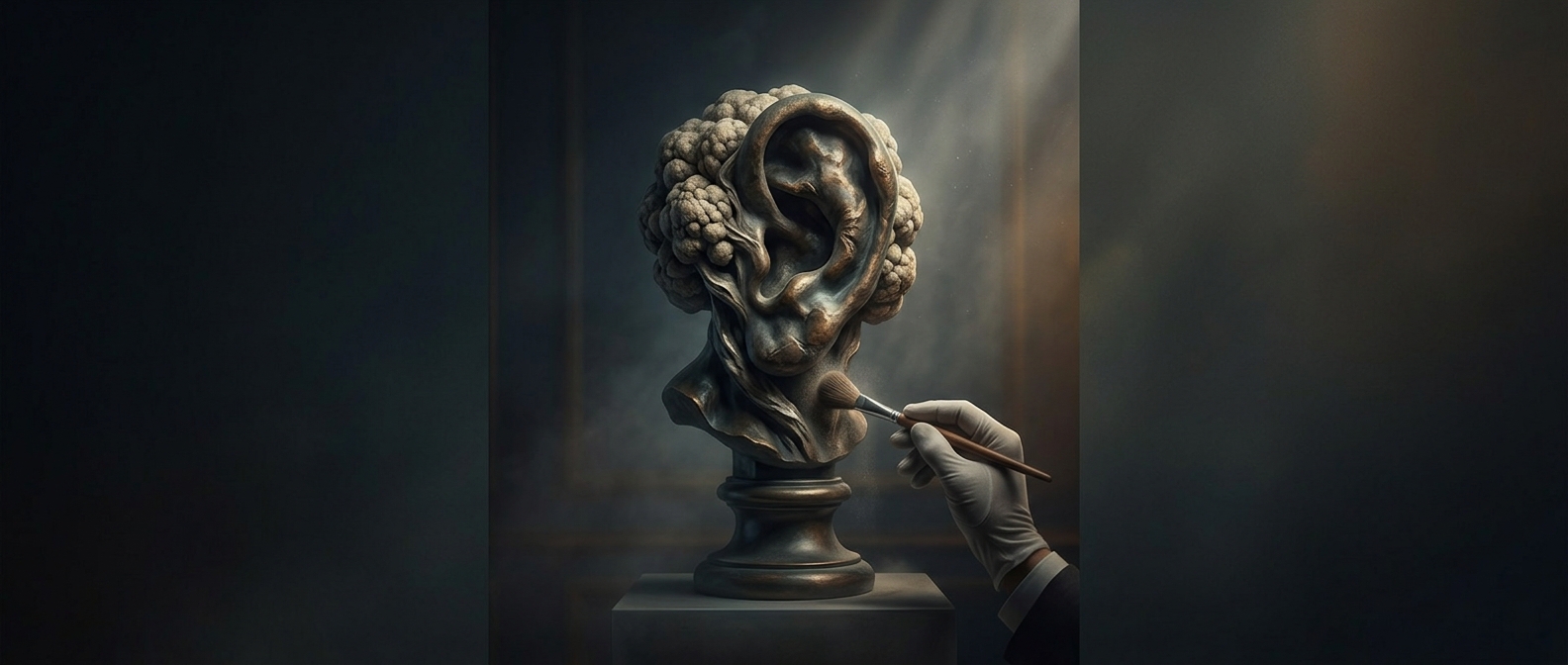
That collection can press the perichondrium away from the cartilage, interrupting its supply of nourishment. If the layers stay separated, cartilage can be damaged or lost. During healing, the body may form scar tissue and irregular new tissue in its place, leaving the ear thickened and misshapen rather than returning to its original contours.
This injury is often called an auricular hematoma when blood pools in the outer ear. The visible swelling is not merely a bruise: it can conceal a separation that needs prompt medical assessment. A clinician may drain the pocket and keep the layers pressed together so fluid does not collect again while they heal.
Why Timing Matters
The ear’s shape depends on cartilage remaining nourished and closely attached to its covering. Once that structure is disrupted and heals abnormally, the change can be difficult to reverse. That is why a swollen, painful outer ear after a blow deserves attention early—before a temporary pocket of fluid becomes a lasting change in the ear’s outline.