A cellar built for a different kind of gathering
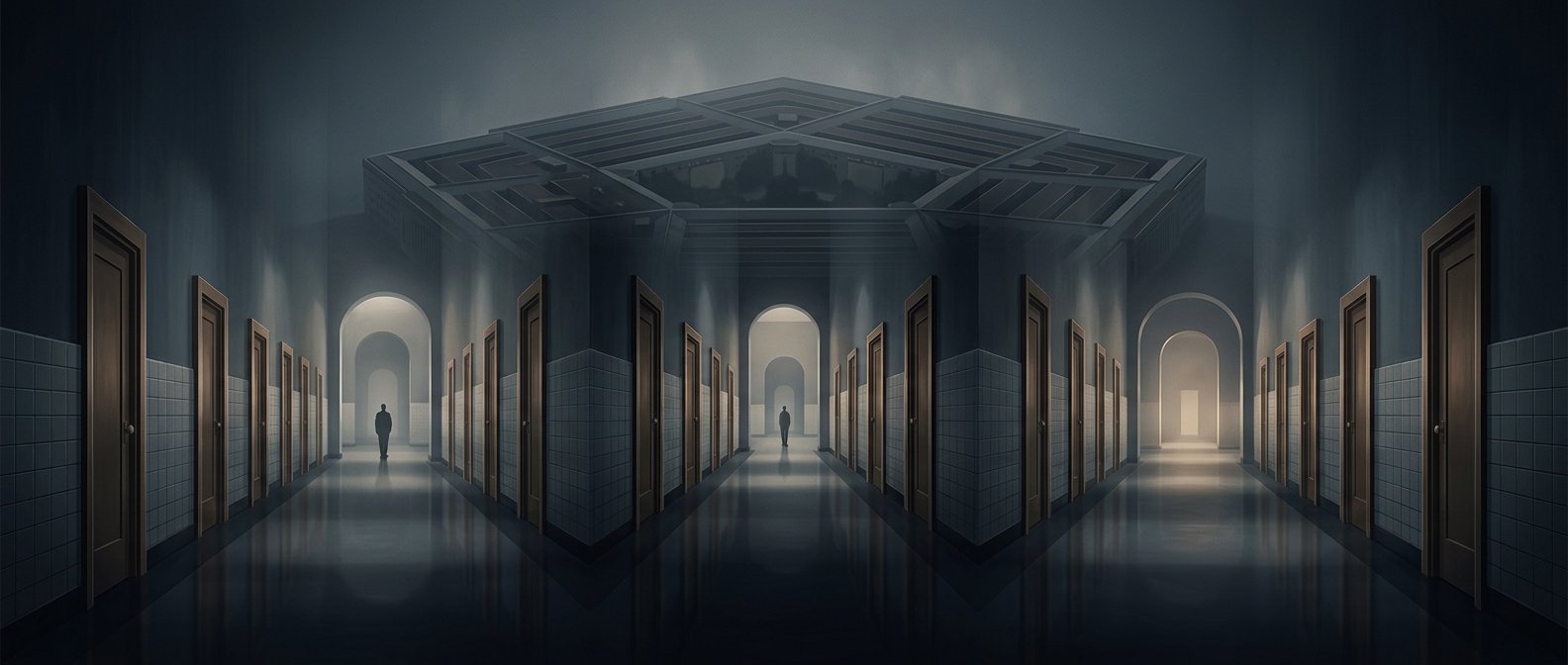
Beneath Paris’s Latin Quarter, the Caveau de la Huchette occupies a cramped, winding stone cellar with a past linked to medieval punishment and imprisonment. Its rooms were made for confinement, not crowds: low ceilings, thick walls and narrow passages keep the space close and enclosed.
That architecture gives the club its unusual charge. In a large hall, sound can spread and dancers can drift apart. Here, the hard stone surfaces reflect music back into the room, while the limited floor space keeps musicians and dancers within close reach of one another.
From grim chamber to swing floor
The cellar became a jazz venue in 1946, after the war. The change was more than a new use for an old address: lively music and dancing filled a place whose history called up fear and restraint. Swing depends on movement and shared rhythm, and the cellar’s compact layout makes that exchange feel immediate. A crowded floor turns the audience into part of the room’s energy rather than a distant audience watching from rows of seats.
The contrast is the lasting draw. The same stone enclosure that once made the cellar a place of confinement now contains music, conversation and dancing. When the band starts, the past is not erased; it becomes part of the setting for a very different gathering.