How appeasing can become an automatic response
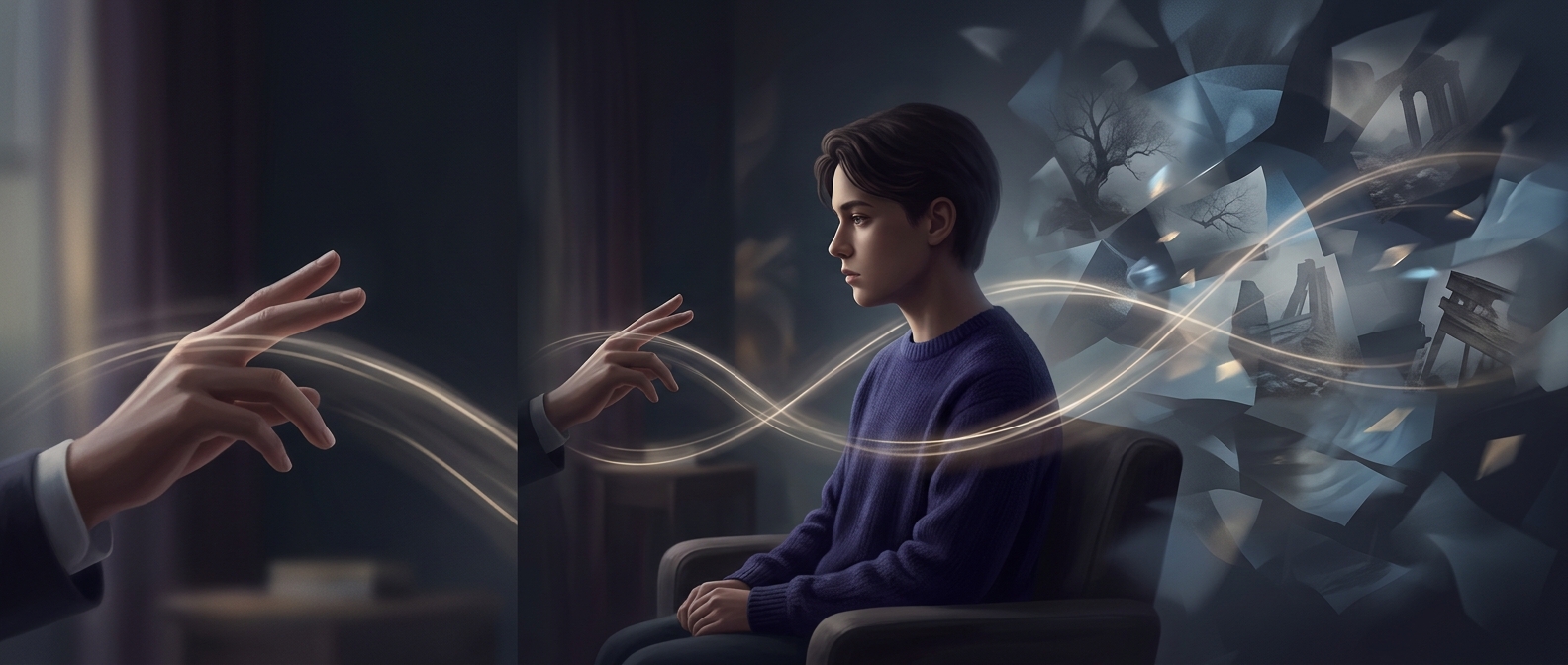
When someone grows up around anger, unpredictability, or punishment, openly disagreeing may feel risky. They may learn to scan other people’s moods and keep tension low by agreeing, helping, or taking blame. In trauma discussions, this appeasing pattern is often called fawning. It is a descriptive term, not a formal medical diagnosis, and it does not explain every person who apologizes often.
The response can begin before a person consciously decides what to say. A sharp tone or disappointed expression may register as a warning; apologizing quickly can seem like the safest way to stop a conflict from escalating. If it brings immediate relief, the brain can learn to reach for the same behavior again—even in situations where no real danger is present.
Why it can follow someone into adulthood
A habit that once helped someone manage a difficult relationship can become overactive in safer settings. A person may say “sorry” for asking a reasonable question, accept responsibility for another person’s mood, or agree to plans they do not want. The immediate reward is avoiding friction. The longer-term cost is that their own preferences become harder to notice and express.
This is not simply excessive politeness. The key difference is whether the apology reflects genuine responsibility or serves mainly to prevent someone else from becoming upset. Repeatedly putting others’ comfort first can also make relationships one-sided and leave little room for rest, honesty, or boundaries.
Making room for a different response
Changing the pattern does not require becoming confrontational. A useful first step is to pause and ask: “Did I cause harm, or am I trying to make this moment feel safer?” When no apology is needed, a person might replace it with a direct statement—“Thanks for waiting,” or “I need time to think”—and notice what happens next.
That pause creates a small choice where an automatic appeasement response used to take over. With practice and support, a person can learn that disagreement or another person’s disappointment does not always mean danger.