Why a memory can feel different when attention is divided
A traumatic memory is not simply a record replayed unchanged. When someone brings it to mind, the memory can feel vivid and emotionally immediate. At the same time, deliberately moving the eyes back and forth gives the brain another task to manage.
One explanation is working-memory competition. Working memory is the limited mental workspace used to hold and manipulate information in the moment. Keeping a distressing image in mind while tracking a moving target may leave fewer resources available for either task. The memory may then feel less vivid or emotionally intense during recall.
What the eye movements are—and are not—doing
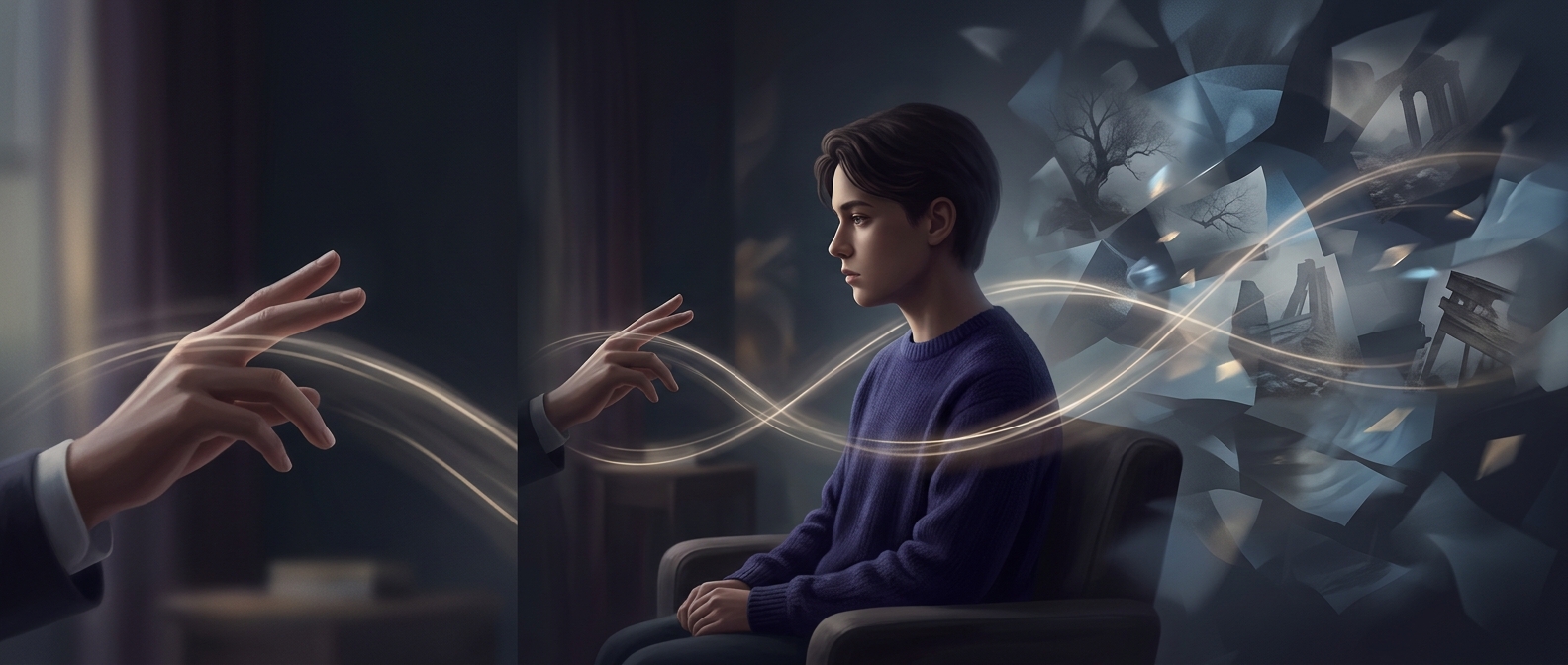
This idea helps explain a technique used in eye movement desensitization and reprocessing, or EMDR, a structured form of therapy for trauma. In a session, a person recalls aspects of a distressing experience while following a therapist’s hand or another moving target. The aim is not to make the person forget what happened, but to help them revisit it with less distress and process it in a therapeutic setting.
The precise reason the method can help is not fully settled. Eye movements may contribute by dividing attention, but the treatment also involves guided recall and the broader structure of therapy. So the effect should not be reduced to a simple trick that anyone can safely use alone.
Changing the experience of remembering
The important distinction is between changing the past and changing how it feels to remember it. A memory can remain accessible while becoming less overwhelming in the present. That possibility is what makes the mechanism striking: sometimes, processing a painful memory means altering the conditions under which the mind holds it, not erasing its contents.