How a Neutral Object Became a Warning Signal
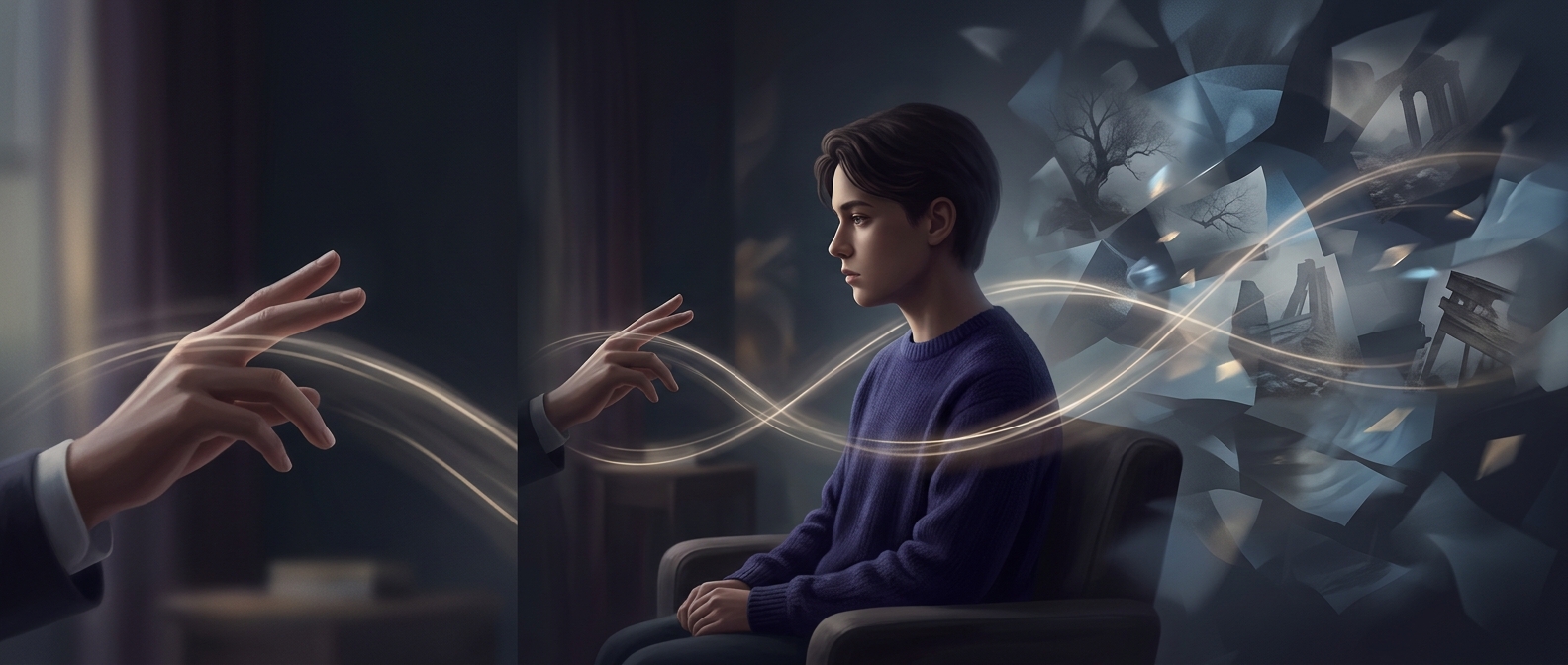
The rat did not need to hurt Little Albert to become frightening. In the experiment, psychologist John B. Watson and his collaborator Rosalie Rayner paired its appearance with a sharp noise that startled the infant. After repeated pairings, the rat itself could prompt distress. In learning theory, this is classical conditioning: a cue that once meant nothing acquires meaning by arriving alongside an event that already triggers a response.
The noise mattered because startling at it did not have to be taught. The experiment’s question was whether experience could attach that alarm to a new cue—and whether the learned reaction would extend beyond that cue.
Why Fear Spread Beyond the Rat
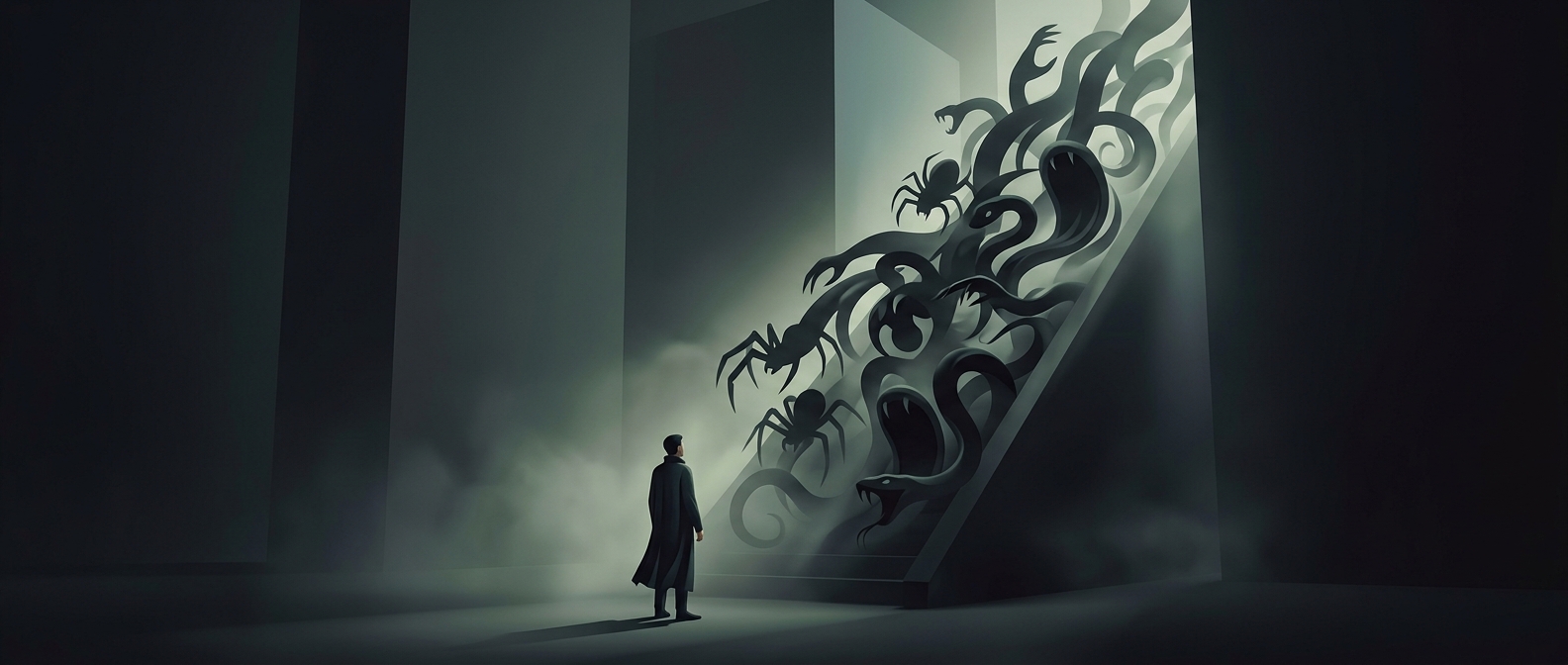
A learned warning can generalize: the brain may respond to features shared by the original cue and new things, rather than treating every object as wholly different. Albert’s reactions were reported around other furry or soft stimuli, including a rabbit and a fur coat. The pattern suggested that the fear was not confined to one rat; resemblance could be enough to make other objects seem threatening.
That is one reason conditioning is useful for understanding how fears can take hold in everyday life. A frightening experience may become linked to a place, sound, animal, or other reminder. Later, a reminder that only partly resembles the original situation may also provoke unease.
What the Experiment Could—and Could Not—Show
Watson and Rayner presented the case as evidence that emotional responses could be shaped by experience. But one infant could not establish how commonly this happens or how reliably fear spreads. The case is best read as an early demonstration of a possible learning process, not a complete account of human fear.
It also left a troubling practical question: once a fear had been learned, could it be undone? The researchers did not complete a systematic effort to remove Albert’s responses before the study ended. The lasting implication is both psychological and ethical: teaching fear may take only repeated pairings, while reversing it requires care the experiment never fully supplied.