How trauma can narrow the future
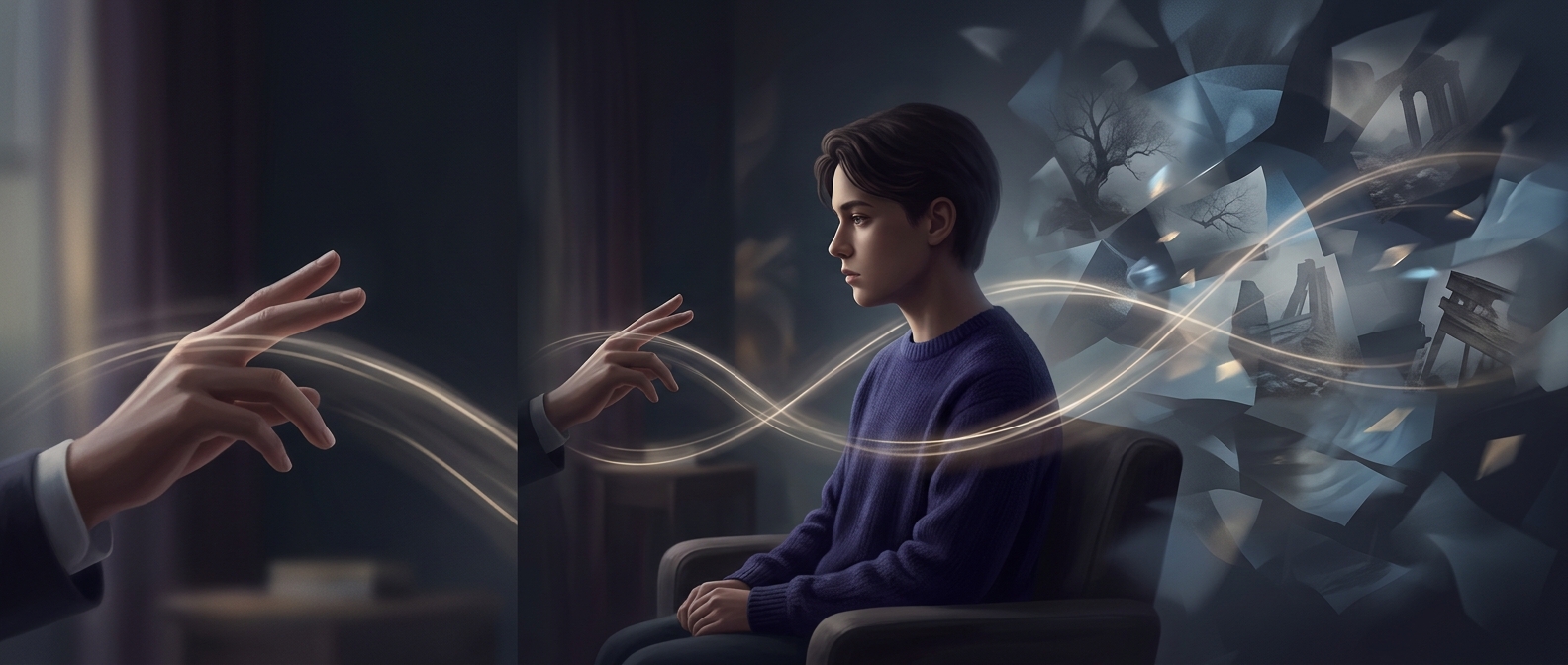
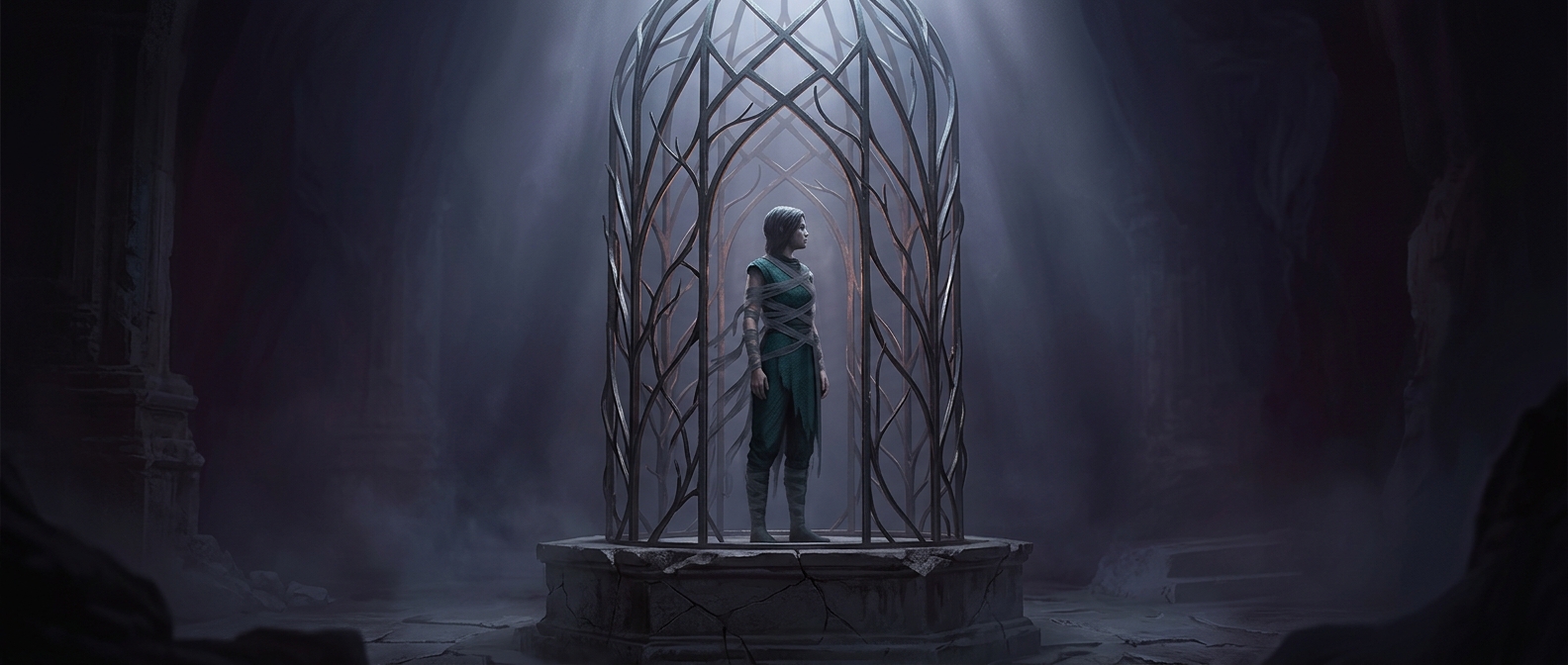
After a frightening or overwhelming experience, reminders can pull attention toward what happened and what might go wrong again. Planning may start to feel less like choosing among possibilities and more like scanning for danger. The future can shrink to a single question: how do I stay safe?
That response can make sense in the short term. But when it dominates, it becomes harder to picture ordinary life beyond the event—where you might feel at home, whom you might trust, or what you might enjoy doing.
A specific future gives attention somewhere to go
Imagining a future in concrete detail is different from telling yourself vaguely that things will improve. Picture a particular morning: the place you wake up, the person you might call, the small task you want to finish. These details give the mind a scene to build, rather than an empty promise.
Psychologists sometimes call this episodic future thinking: mentally simulating a possible event as if it were a scene in your life. It draws on some of the same abilities used to recall and recombine experiences. A future scene can help turn an abstract wish into something with steps—finding a place to live, reconnecting with someone, or returning to an activity.
The memory stays; its role can change
A hoped-for future does not erase what happened or make painful memories harmless. Its value is that the memory no longer has to answer every question about what comes next. When attention can move between the past and a personally meaningful possibility, trauma is not the only story available for organizing decisions.
The imagined life need not be grand or certain. A modest, vivid plan—a familiar kitchen, a weekly visit, a class you want to try—can make the future feel like a place with more than one possible next step.