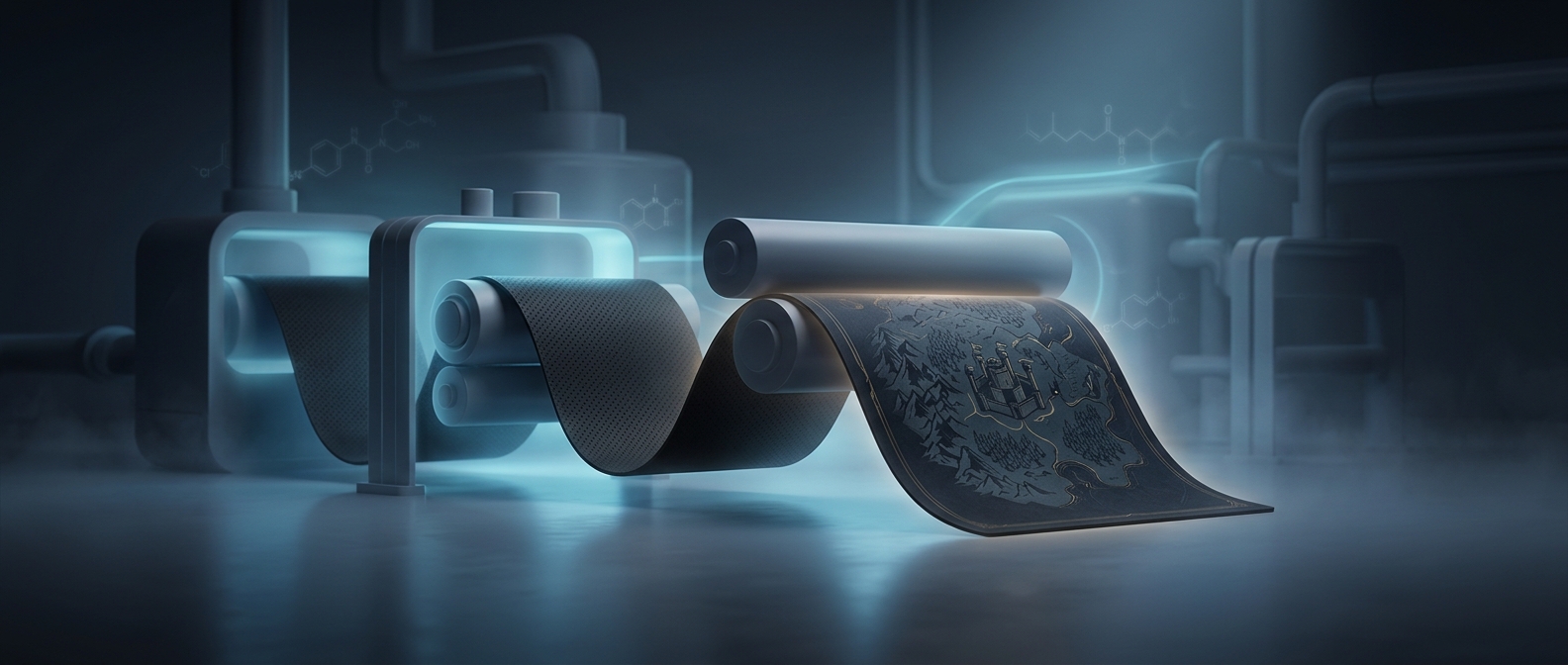
Why flexible PVC needs additives
Polyvinyl chloride, or PVC, is naturally rigid. To make a miniature bendable, manufacturers may mix in plasticizers—additives that let the polymer chains slide past one another instead of locking the material into a stiff structure. These additives are not necessarily bonded permanently to the plastic. Over time, some can move through the material and reach its surface, where they may transfer to skin or nearby objects.
Migration is not the same as exposure
A chemical leaving the plastic does not by itself establish how much someone absorbs or whether a particular product poses a meaningful health risk. That depends on the plasticizer used, how much is present, how readily it migrates, and the kind and duration of contact. A miniature handled occasionally is a different exposure situation from one kept against skin, used by a young child who may mouth it, or left in prolonged contact with another material.
Heat and time can affect how quickly chemicals move through plastics, so storage and use conditions matter too. A greasy or sticky surface can be a reason to avoid unnecessary contact, but appearance alone cannot identify which chemical is present or measure exposure.
The product matters more than the label
“PVC” describes the base plastic, not a single recipe. Different miniatures can use different additives, and a toy’s appearance or flexibility cannot reliably reveal which ones. The practical question is therefore not simply whether a miniature is plastic, but what it contains and how people are likely to contact it. When that information is unavailable, limiting prolonged skin contact and keeping small pieces out of children’s mouths are straightforward ways to reduce avoidable exposure.