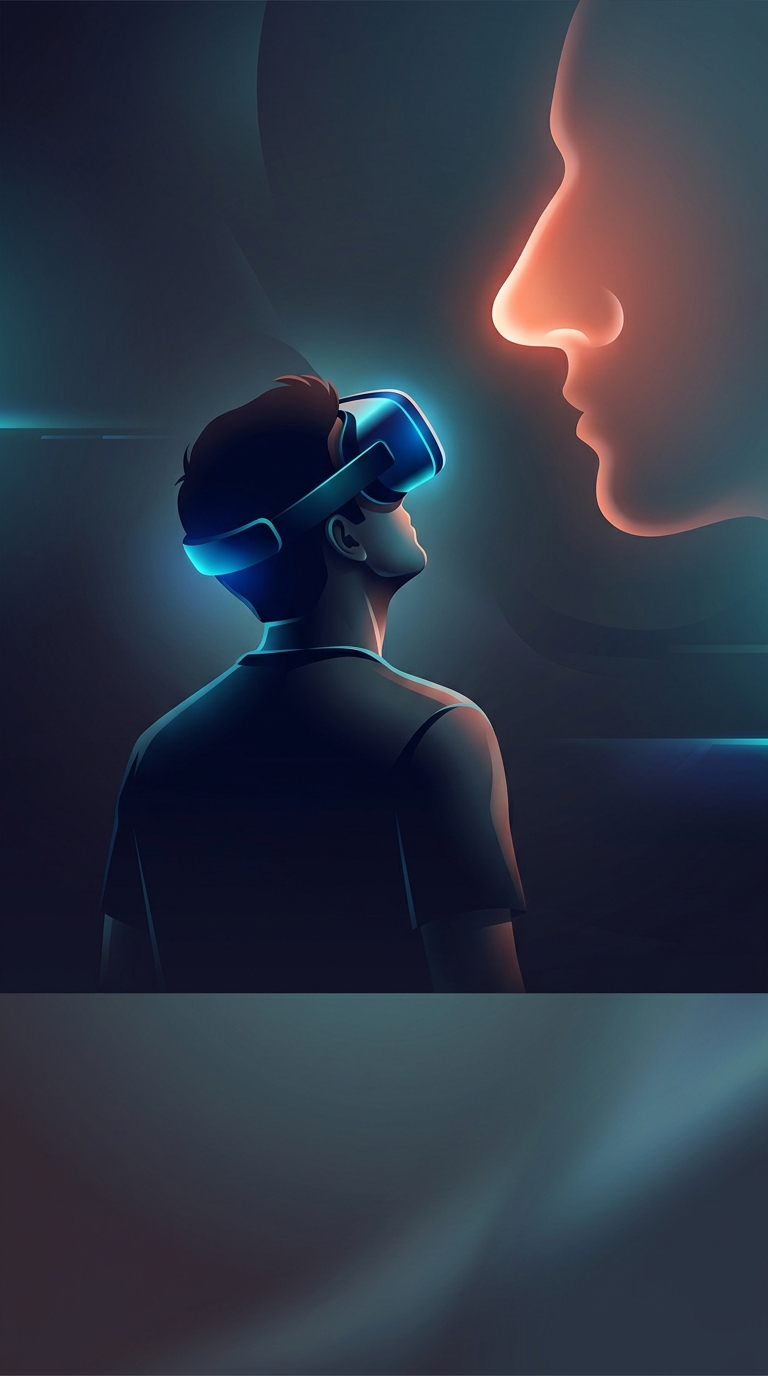
A virtual nose gives the brain a steady point of reference
A small, faint nose shape in the corner of a VR view may look like a rendering mistake. It is usually deliberate: the nose is fixed relative to the headset, so it stays in roughly the same place on screen even as the virtual world turns or moves around it.
That steady visual cue can help the brain keep track of orientation. In ordinary vision, the nose is always present at the bottom of your view, even though most people stop noticing it. A virtual version recreates that familiar reference inside an environment where everything else may be shifting.
Why a tiny detail can affect motion sickness
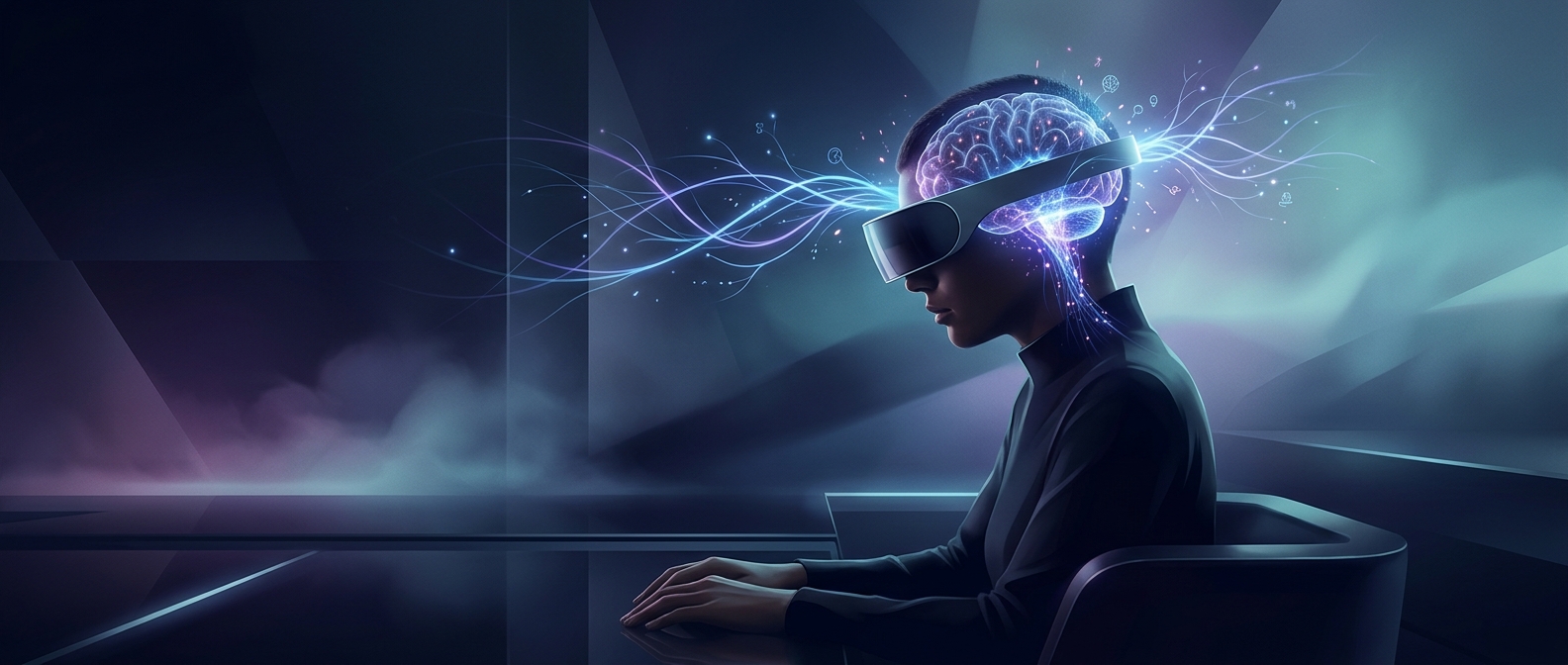
VR motion sickness can arise when the eyes report movement but the body’s balance system senses little or none. For example, a simulated vehicle may accelerate while the person wearing the headset remains seated. The mismatch can make some people feel queasy or disoriented.
A stationary nose may provide a visual anchor—a stable point against which the moving scene can be judged. It does not eliminate the mismatch, and it will not help every user, but for some people it can make motion feel less unsettling. The nose works best when it remains unobtrusive: a large or sharply rendered one could distract from the experience instead.
A comfort feature with a design tradeoff
The nose is a small example of a broader VR challenge: developers must balance immersion against comfort. Hiding every trace of the real body can make a scene feel more complete, but familiar visual cues may help users stay oriented. Developers can adjust the nose’s size, position, or visibility to suit a particular experience.
So the odd shape is not meant to imitate a character’s face. It is a quiet reference point—one that may help the virtual world move without making the viewer feel as if they are moving with it.