Why a break from training can change your shape
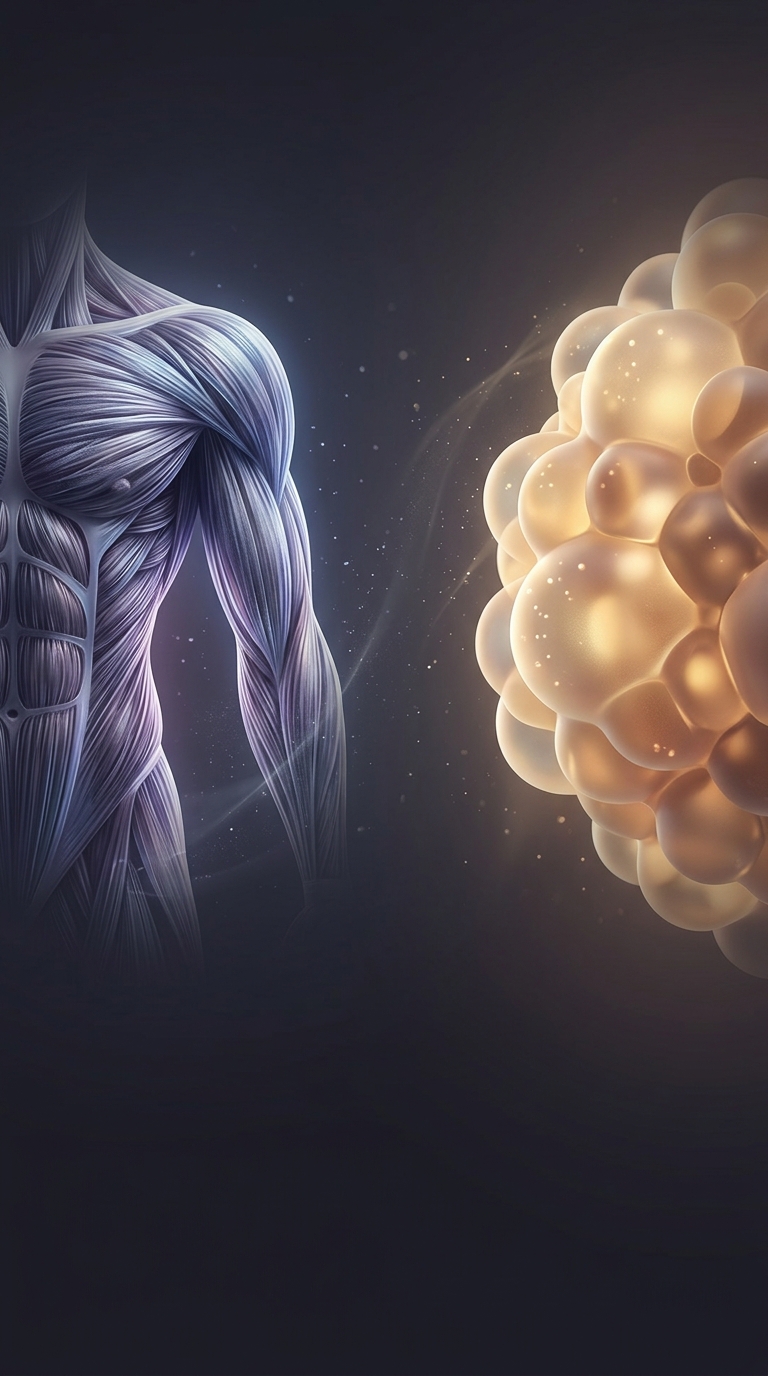
Muscle and body fat are different tissues, so one does not turn into the other. But both can change during the same stretch of inactivity, making the distinction hard to see in the mirror.
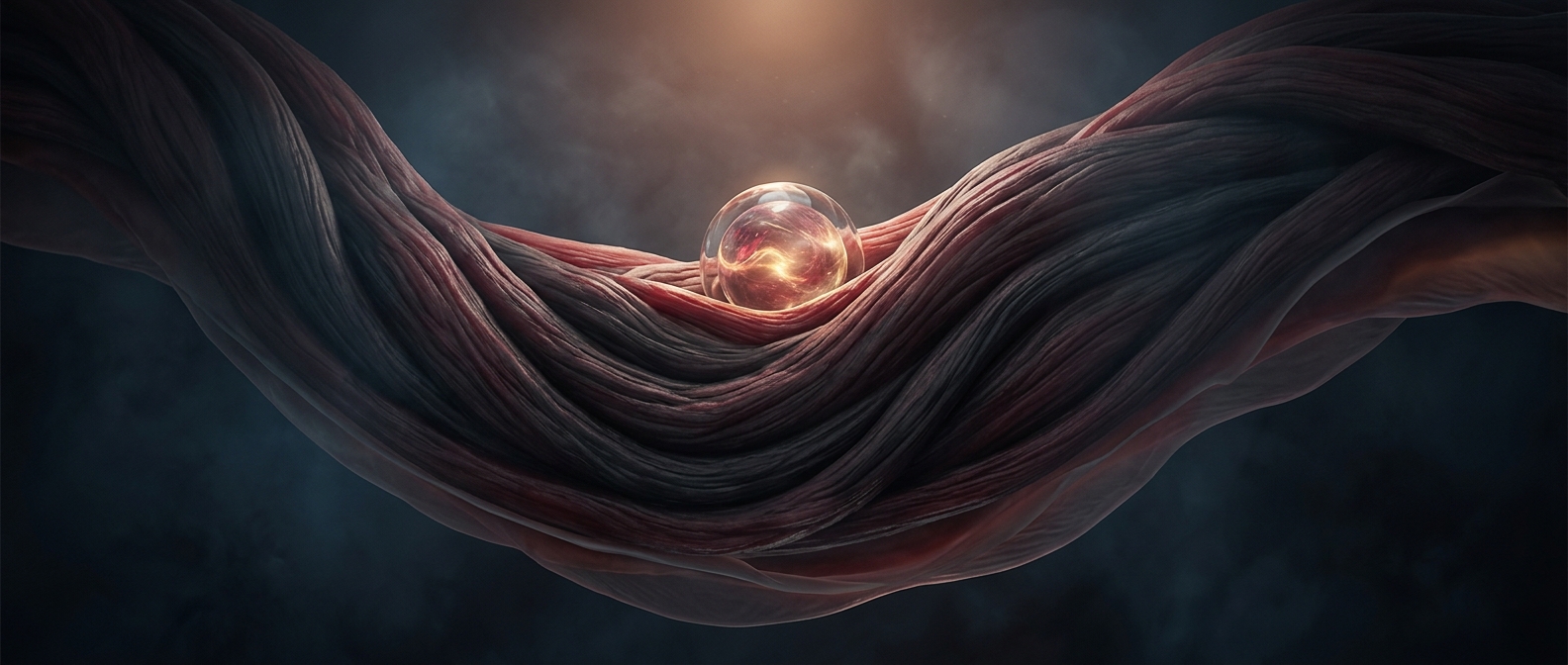
Muscle is maintained through a continual cycle of building and breakdown. When muscles are challenged by resistance exercise, the body gets a signal to repair and preserve the tissue. If that challenge drops away, the signal weakens; over time, muscle fibers can become smaller. This gradual loss of muscle size is called atrophy. A short pause does not make muscle vanish overnight, and the pace varies with the person and the length of the break.
Where the softer outline comes from
Fat changes through a separate process. When the body takes in more energy than it uses over time, it can store some of the surplus in fat cells. Reduced activity may lower the energy a person uses, while eating habits may or may not change. If intake continues to exceed use, stored fat can increase even as muscle shrinks.
The two shifts affect appearance together: less muscle can reduce firmness or definition, while added fat can soften the contours over it. Scale weight may rise, fall, or stay similar, depending on how much each tissue changes and on other factors such as water. That is why the same number on a scale does not necessarily mean the body has the same composition.
What the distinction means in practice
Returning to training can provide muscles with a reason to rebuild, while changes in eating and activity influence whether the body stores additional fat. These are related lifestyle effects, but they are not a single conversion process. A bicep that gets smaller has not become belly fat; the visible change reflects two tissues responding separately to the body's changing demands and energy balance.