A small part of the soft palate
The uvula is the dangling tip of the soft palate, the muscular tissue that forms the back of the roof of the mouth. When you swallow, muscles lift this soft palate toward the throat’s rear wall. The movement helps seal the route into the nose, keeping food and liquid on course toward the esophagus instead of letting them escape upward.
The seal is made by the soft palate working as a whole, not by the uvula acting like a plug on its own. That distinction matters: removing or irritating the uvula can affect comfort and throat sensation, but the surrounding structures also contribute to closing the passage.
Why it can flutter at night
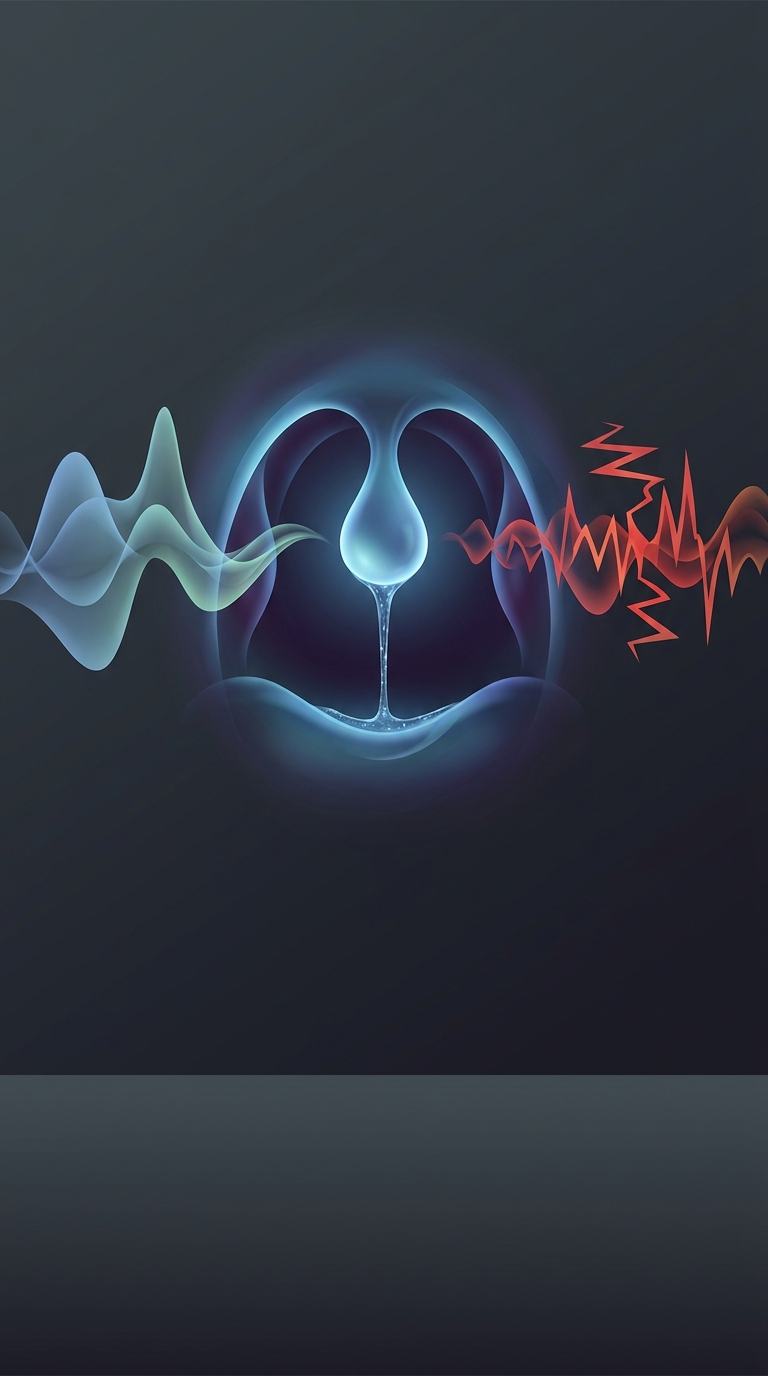
During sleep, the muscles of the throat relax. As air moves through the narrowed space, loose tissues—including the soft palate and uvula—can vibrate. That vibration may add to the sound of snoring; it is one possible contributor, not the only one. The sound depends on airflow and several tissues, so the uvula is not a simple on-off switch for snoring.
Its role is therefore more practical than dramatic: it is part of a flexible, coordinated gateway between the mouth, throat, and nose. The next time it swings with a breath, it is moving in a passage that also has to redirect a swallow safely.