How a molded surface gets its grain
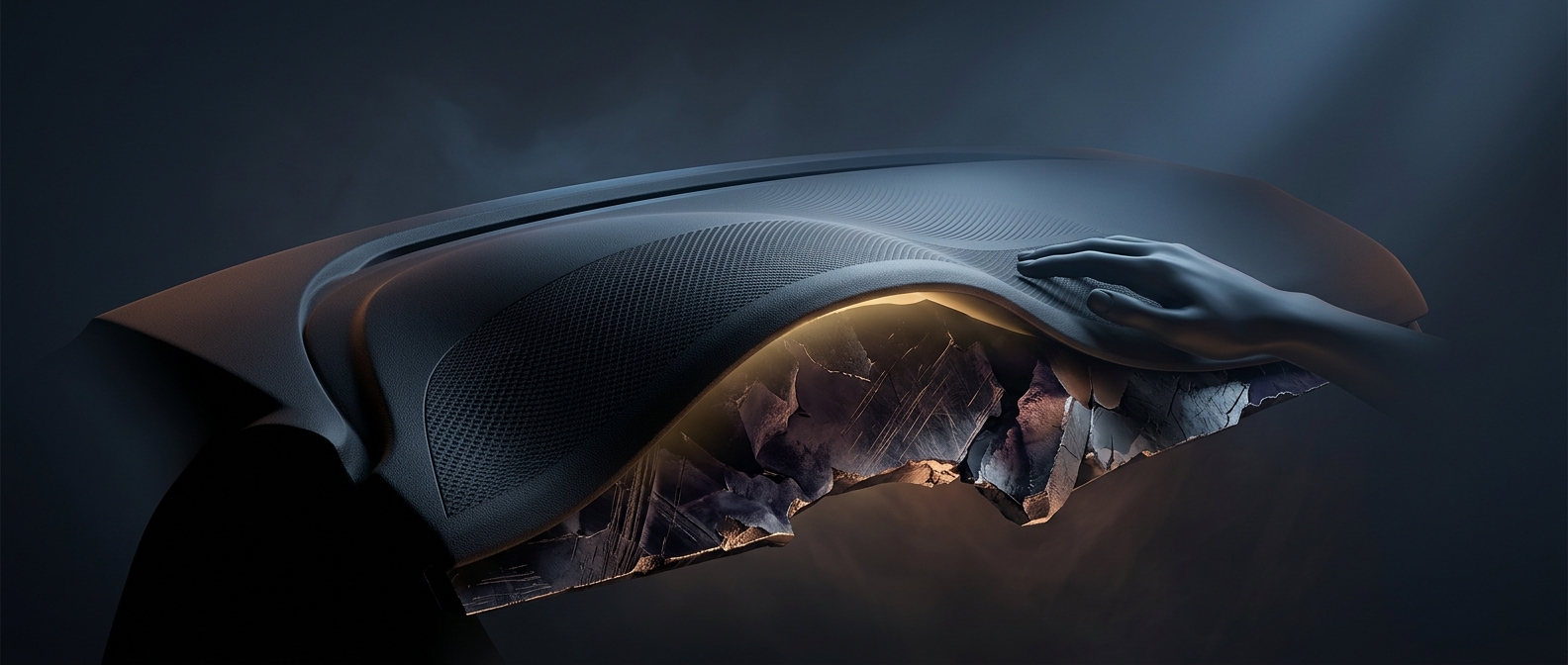
A dashboard often begins as heated plastic pressed or injected into a shaped metal mold. As the plastic fills the mold and cools, slight differences in flow, pressure, or shrinkage can leave tiny variations in the surface. The mold can imprint a fine grain—small ridges and valleys—directly into the plastic, so the texture is part of the part rather than a coating added afterward.
Why texture makes flaws less conspicuous
A perfectly smooth surface reflects light in a consistent direction. A shallow ripple can bend that reflection into a bright streak or dark patch, making a minor unevenness easy to spot. On a grained surface, the many small facets scatter light in different directions. That breaks up crisp reflections and makes small variations less visually distinct from the surrounding pattern.
The texture also gives the eye a busy, regular detail to read instead of a broad, uninterrupted plane. Small scuffs and handling marks may therefore attract less attention than they would on a glossy, smooth panel. It does not repair a bad molding job or hide every defect; it changes how surface irregularities catch the light.
A finish chosen for the factory and the cabin
The grain has to be built into the mold with enough consistency to look intentional across a large panel. Its pattern and depth also affect the dashboard’s visual character and feel, so the practical production choice becomes part of the interior design. What looks like decoration is doing quiet work: reducing glare, softening the appearance of minor surface variation, and making a broad plastic panel less revealing of how it was made.