Why Atlantis Became a Paradise in the Esoteric Imagination
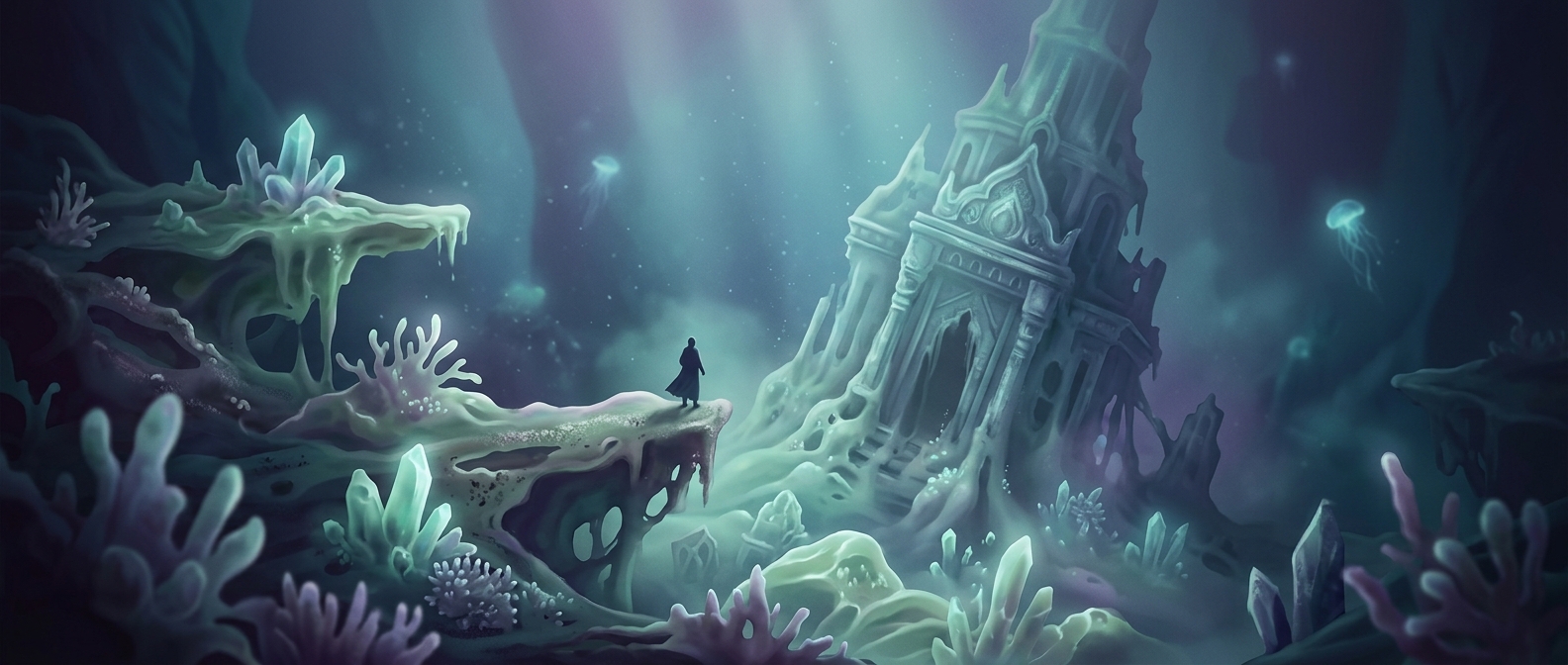
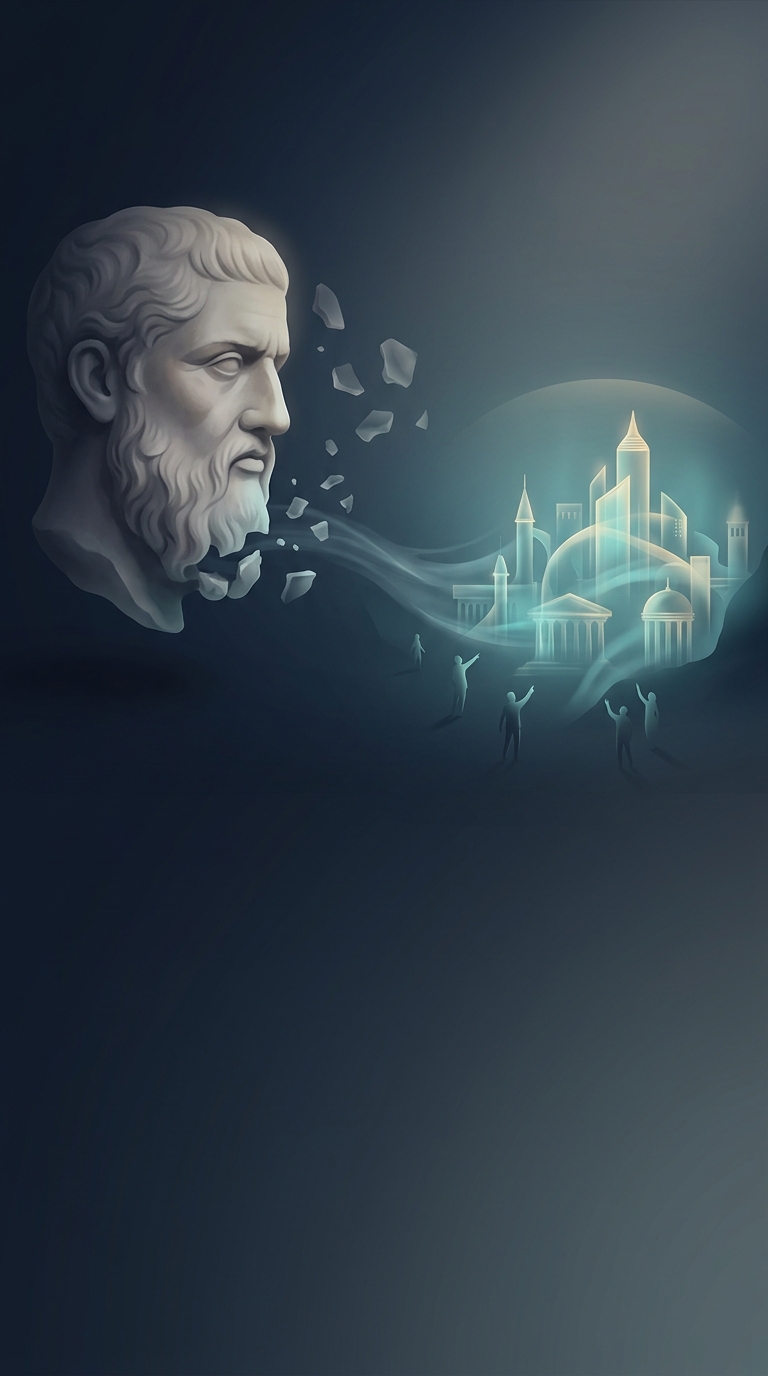
Atlantis was not originally presented as a simple lost Eden. In Plato’s dialogues Timaeus and Critias, it is a powerful island society that turns toward conquest and is destroyed. Later esoteric writers and readers have often shifted the emphasis: the vanished civilization becomes a repository of ancient wisdom, spiritual powers, or a more harmonious way of life.
That shift makes Atlantis useful as a utopia placed safely in the past. It can be imagined as both highly developed and spiritually whole—a contrast to the modern world, where technical progress may feel detached from meaning or human needs. Because the island is unreachable and its details are open to invention, different people can fill its blank spaces with whatever they feel the present lacks.
The Appeal of a Lost Home
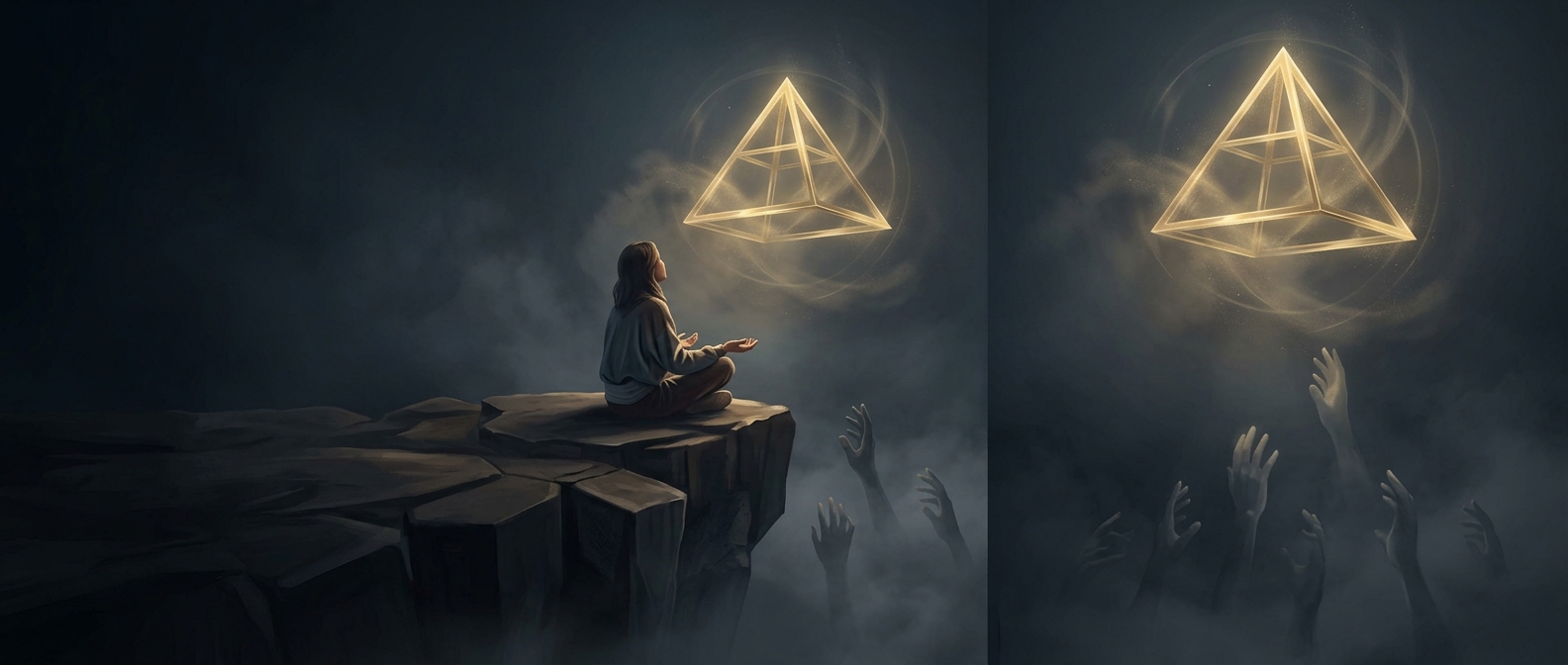
For some enthusiasts, Atlantis is more than an ideal society; it becomes a place they feel personally connected to, sometimes through the idea of having lived there in a previous life. That imagined connection turns dissatisfaction into a story of displacement: perhaps the feeling of not belonging comes from a lost home rather than from the ordinary difficulty of living in the present.
The myth’s destruction complicates the fantasy. In Plato’s account, power and moral failure help bring about catastrophe, so Atlantis can serve as a warning as well as an escape. Esoteric retellings may preserve that tension: the civilization is alluring precisely because it seems to have possessed something modern life has lost, yet its fall suggests that knowledge and advancement alone cannot make a society wise. The vanished island remains a mirror—an imagined refuge, and a reminder of what can happen when capability outruns judgment.