How a misplaced decimal gave Popeye his spinach
The story begins with a laboratory measurement. In 1870, a German study reported that spinach contained far more iron than it actually does. The familiar explanation is that a chemist put the decimal point in the wrong place, making the figure ten times too large. A number that looked like a useful fact was now a memorable exaggeration.
From a measurement to a cartoon shortcut
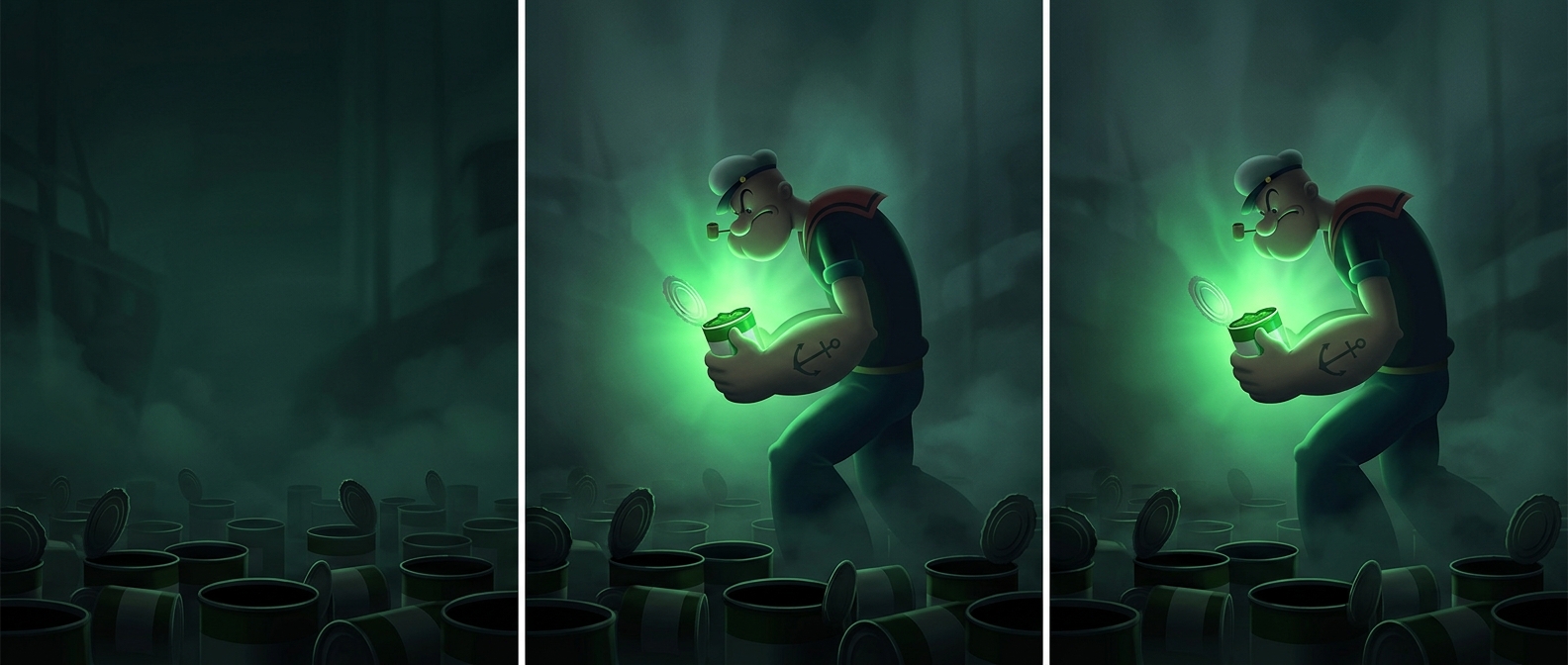
That inflated figure helped establish spinach as a food associated with strength. Popeye’s creators later drew on the mistaken iron claim, turning it into an instantly legible plot device: when the sailor needed a burst of power, he ate spinach. The idea worked especially well in animation because the cause and effect could be shown in seconds, without a long explanation.
The cartoon did not need viewers to remember a chemistry lesson. It needed them to recognize spinach as the thing that made Popeye strong. Repetition made the gag feel like common knowledge, carrying the old measurement far beyond the scientific context in which it began.
Why the error stuck
Iron is essential to the body, but spinach is not an extraordinary source of it. The mistaken figure was compelling because it gave a simple, concrete reason for a familiar vegetable to have a dramatic effect. Popeye then supplied the image that made the claim easy to remember: a can of spinach, an immediate transformation, and a sailor ready for action.
A decimal slip became more than a bad statistic. It became a durable piece of pop culture—and a reminder that a catchy story can outlast the measurement behind it.