A burglar’s tool in a world of locks and candlelight
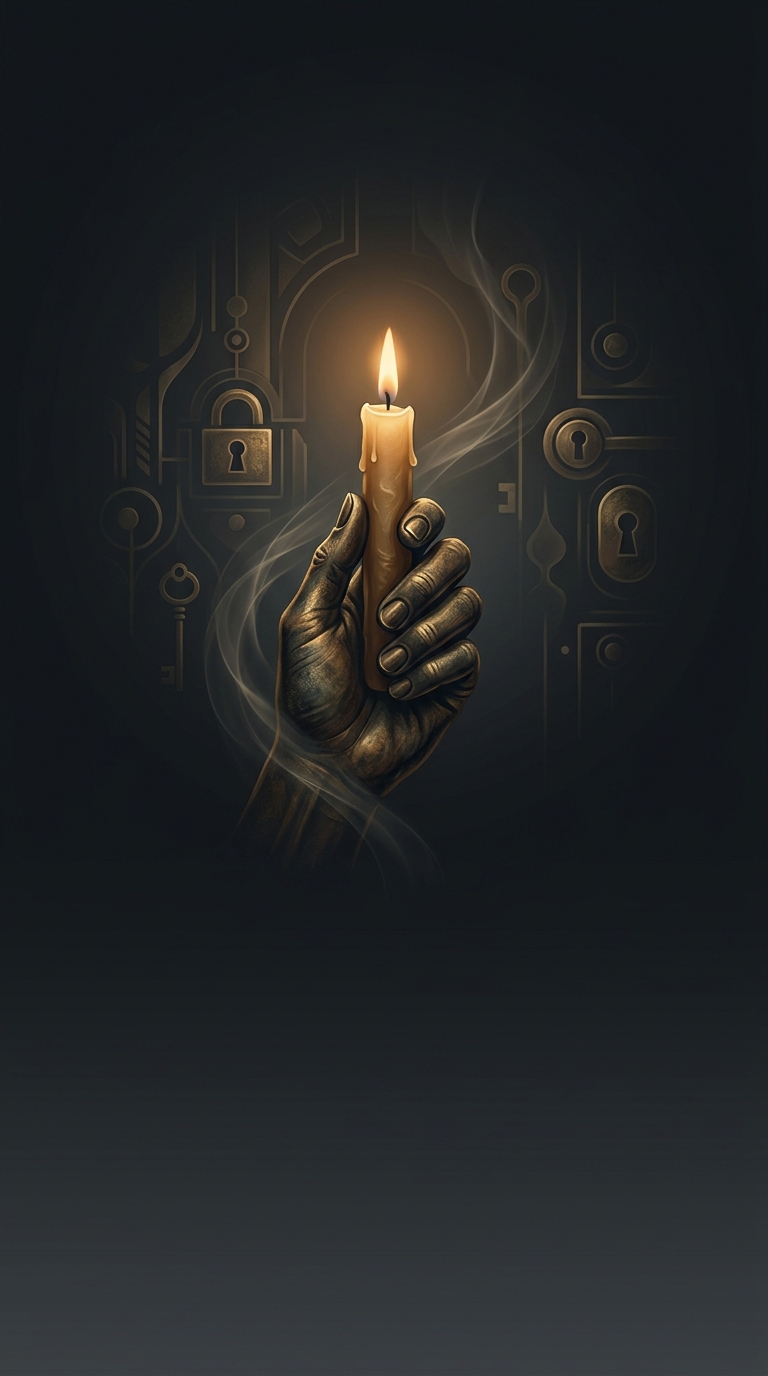
The Hand of Glory belonged to a kind of folk tale that gave an ordinary danger—someone breaking into a home—a supernatural explanation. In the stories, the candle did more than illuminate a room: it supposedly stopped the people inside from reacting. That imagined effect turned a thief’s quiet entry into something more uncanny than a simple burglary.
The legend also made the object a test of household security. A locked door might be useless if the hand could open it, while a sleeping or immobilized household could not raise an alarm. The magic works by removing both barriers at once: the lock and the people who might defend it.
Why the legend endured
Folklore was not a single, fixed account. Details varied from telling to telling, including what the hand could do and how its flame might be put out. The milk detail is part of that storytelling logic: a strange, specific remedy gives listeners something to remember and turns the threat into a puzzle with a possible answer.
The object’s grisly ingredients also made the tale memorable. A severed hand associated with a criminal carried the fear of violence into the home, while its transformation into a candle gave that fear a practical shape. The Hand of Glory is therefore less a record of a proven technique than a compact burglary nightmare: the door opens, the household cannot respond, and even the light in the room may belong to the intruder.