How fans repaired Vampire: The Masquerade – Bloodlines
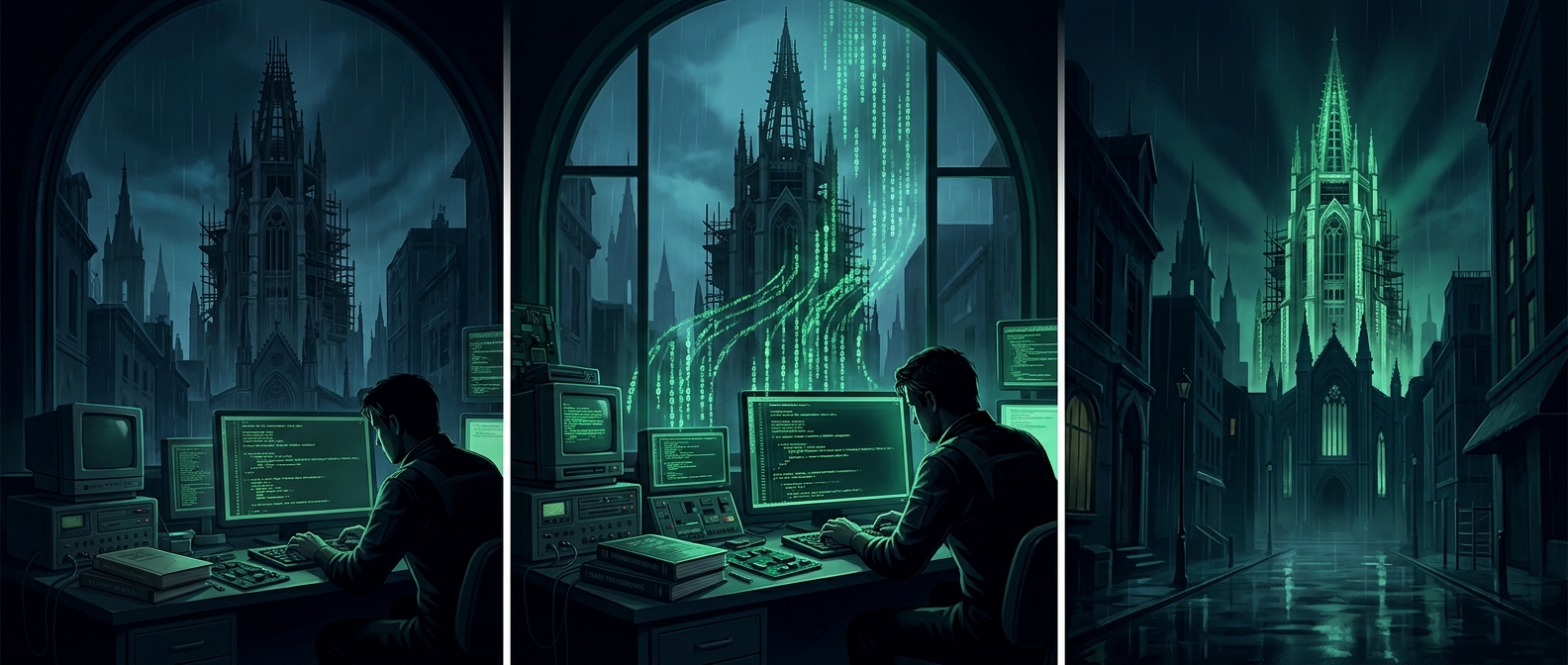
When Bloodlines arrived with crashes and quests that could not be completed, the people best placed to help were often the players encountering those problems. Fans examined the game’s files, identified faults in its scripts—the instructions that control events and characters—and built fixes the original developers were no longer providing.
Small fixes could change a whole quest
A quest depends on a chain of conditions: a character must appear, the game must register what the player has done, and the next event must trigger. If one script breaks that chain, a mission can stall even when most of its content is still there. Repairing the underlying logic can make the quest work again without rebuilding the game from scratch.
The same close inspection let fans restore some material that had been left inaccessible, as well as correct bugs. Each change had to fit the game’s existing systems. A fix that worked in one situation could create a new problem elsewhere, so community patches were tested and revised over time.
A repair effort that outlasted the launch
The work continued for years because it was cumulative: later contributors could build on earlier discoveries, while players kept finding flaws in a large, intricate game. The result was not an official replacement or a complete remake, but an evolving layer of repairs created by people who cared enough to understand how the game was put together.
That distinction is what makes the story remarkable. A game’s scripts are normally invisible to players; here, fans learned to read and alter them. Their fixes helped turn a fragile launch into a version people could actually finish—and kept the game playable long after its original release.