The tunnel acted like a piston
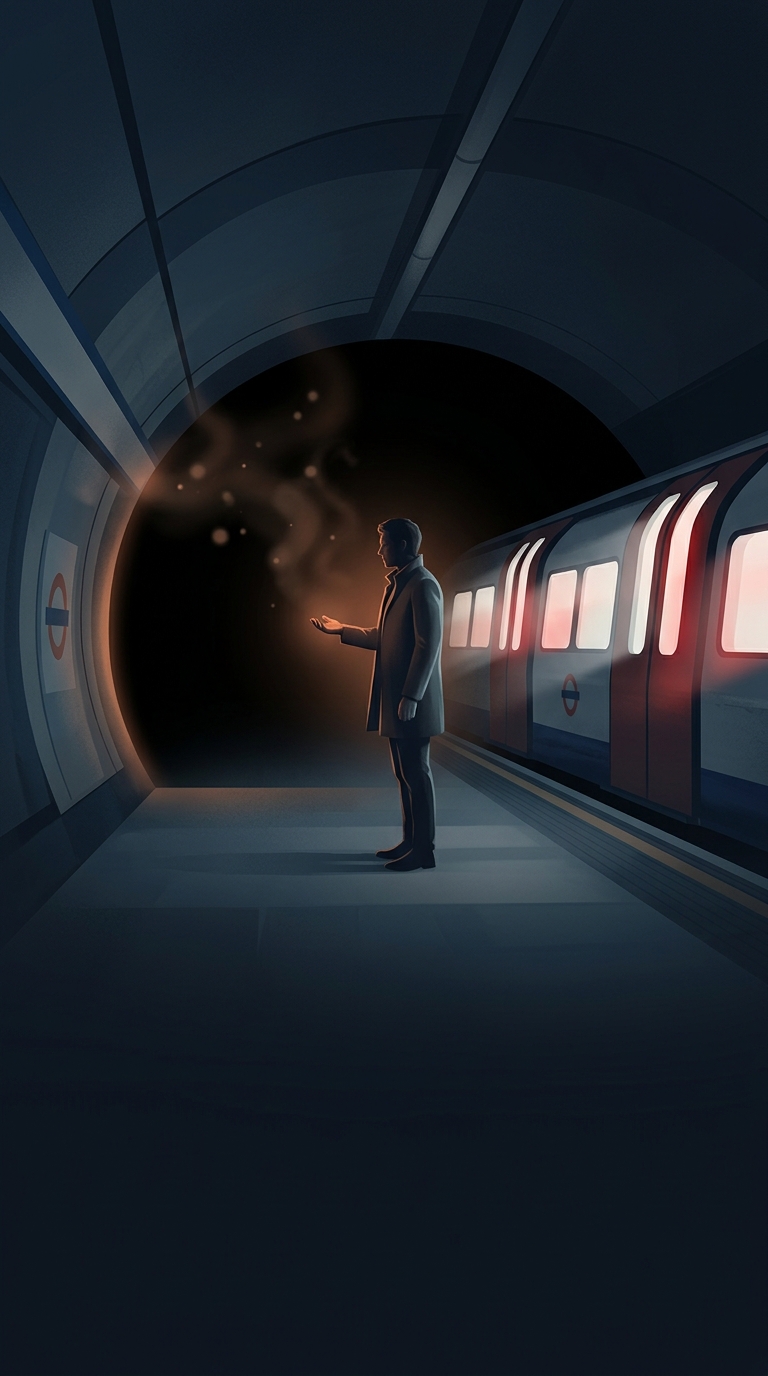
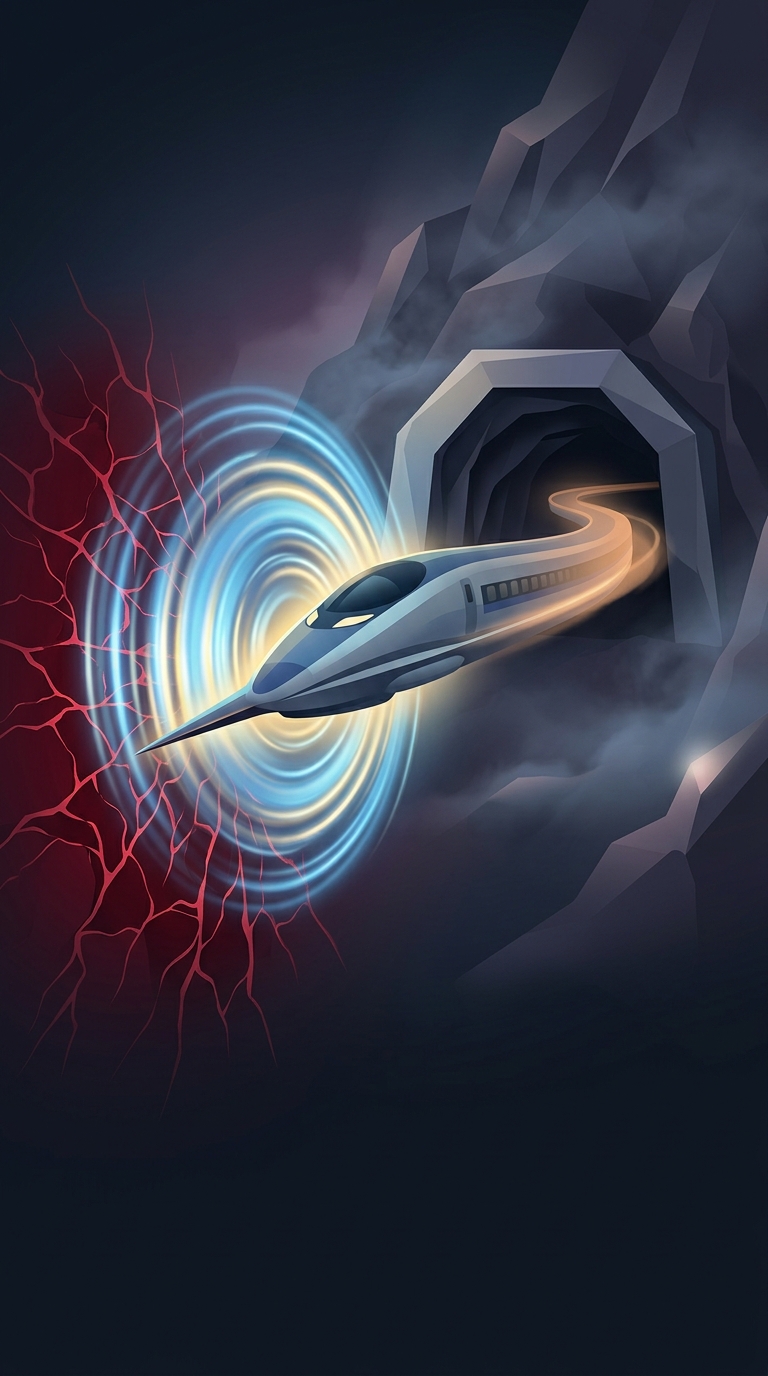
When a fast train enters a narrow tunnel, it shoves air ahead of it. The pressure can build into a wave that races through the tunnel and bursts out the far end as a sudden boom. Despite the common nickname “sonic boom,” this is a pressure-wave problem, not the same phenomenon as an aircraft breaking the sound barrier.
The faster the train and the tighter the tunnel, the more sharply air is compressed. Early Shinkansen trains could therefore disturb residents near tunnel exits, even though the noise began underground.
A nose shaped to ease the pressure
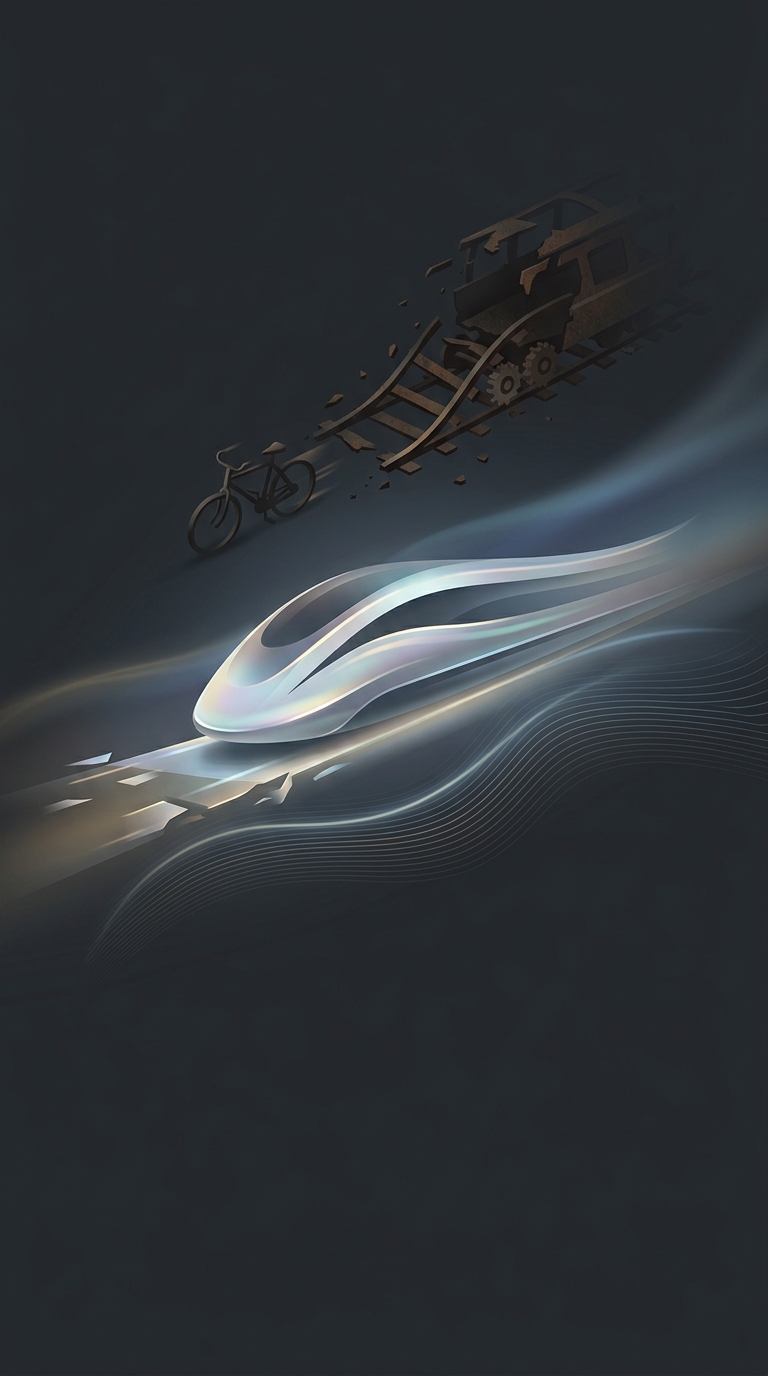
The key change was to redesign the train’s front. A blunt nose pushes air aside abruptly; a longer, slimmer nose makes the change more gradual, reducing the strength of the pressure wave the train sends into the tunnel.
For the 500 Series Shinkansen, engineer Eiji Nakatsu drew inspiration from the kingfisher, a bird that dives into water with little splash. Its long, tapered beak suggested a way to shape the train so it could enter a tunnel with less of an air-pressure jolt. Engineers tested and refined the design for the train’s speed and operating needs.
The fix was not to stop the train from displacing air, but to make it displace air less abruptly. That quieter transition reduced the boom at tunnel exits—and the same streamlined nose also helped the train move through the air with less resistance.