Why railway tracks sit on crushed stone
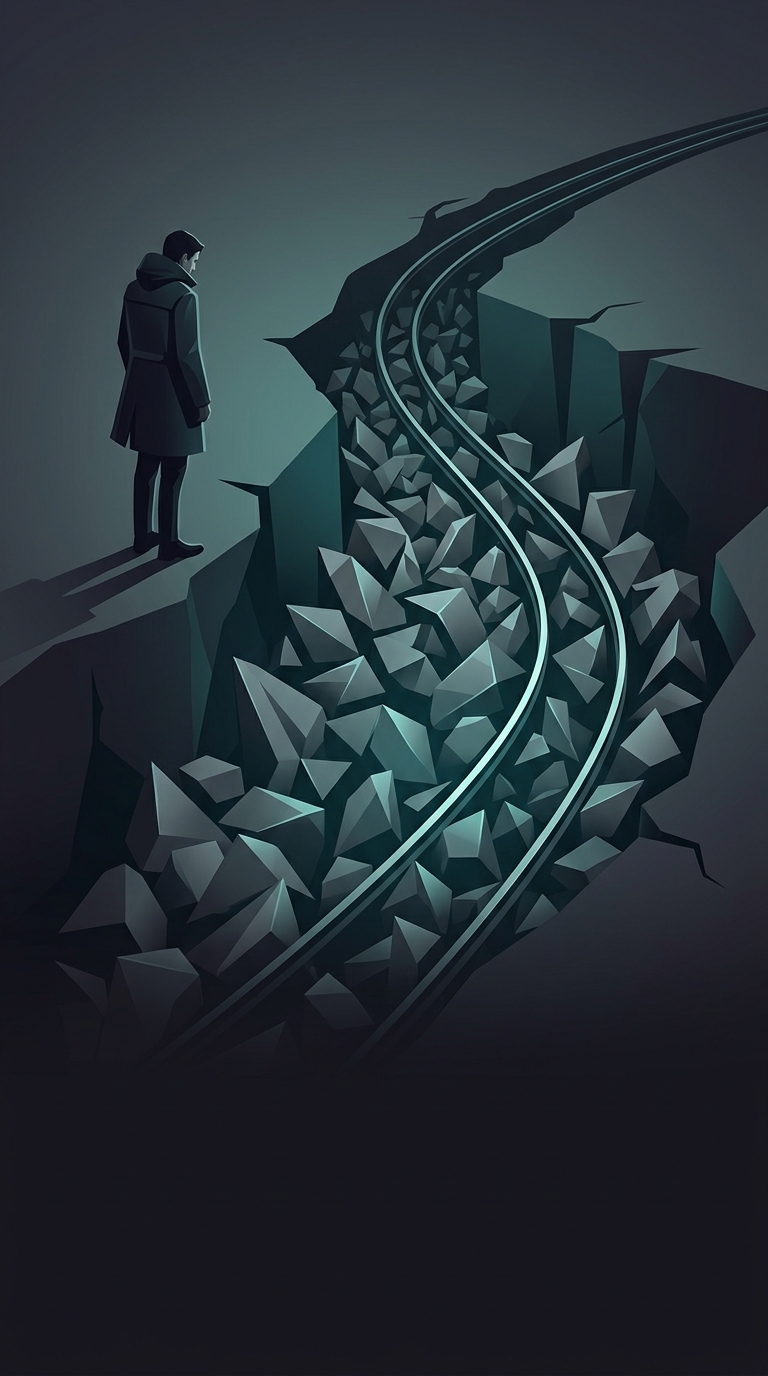
The stones are called ballast. They form a firm, adjustable bed beneath the wooden or concrete crosspieces—known as sleepers or ties—that hold the rails at the correct distance apart. Their jagged shape is functional: irregular pieces lock together under pressure, helping keep the track from shifting as trains pass.
How ballast handles a moving train
A train’s weight presses on the rails, then the sleepers, and finally the ballast. The stones spread that force across a broader area of ground, reducing the risk that the track will sink unevenly. That matters because even small shifts can disturb the smooth alignment trains need.
Ballast also drains water. Rain can pass through the gaps rather than pooling around the sleepers, where water could weaken the ground or speed deterioration. The coarse bed helps discourage plants from taking hold, too, though it does not keep all vegetation away.
A track bed that can be repaired
The stones are not simply dumped in place and forgotten. Over time, train vibrations and weather can push ballast out of position or grind pieces down. Railway crews can lift sections of track, add or reposition stone, and pack it beneath the sleepers to restore support and alignment. This process makes ballast a practical part of track maintenance: the bed can be adjusted without rebuilding the entire railway foundation.
Those sharp grey chunks look messy because they are meant to work as a loose, interlocking structure—not as a smooth surface. Their roughness helps keep a heavy train’s path stable while allowing water to escape and repairs to be made.