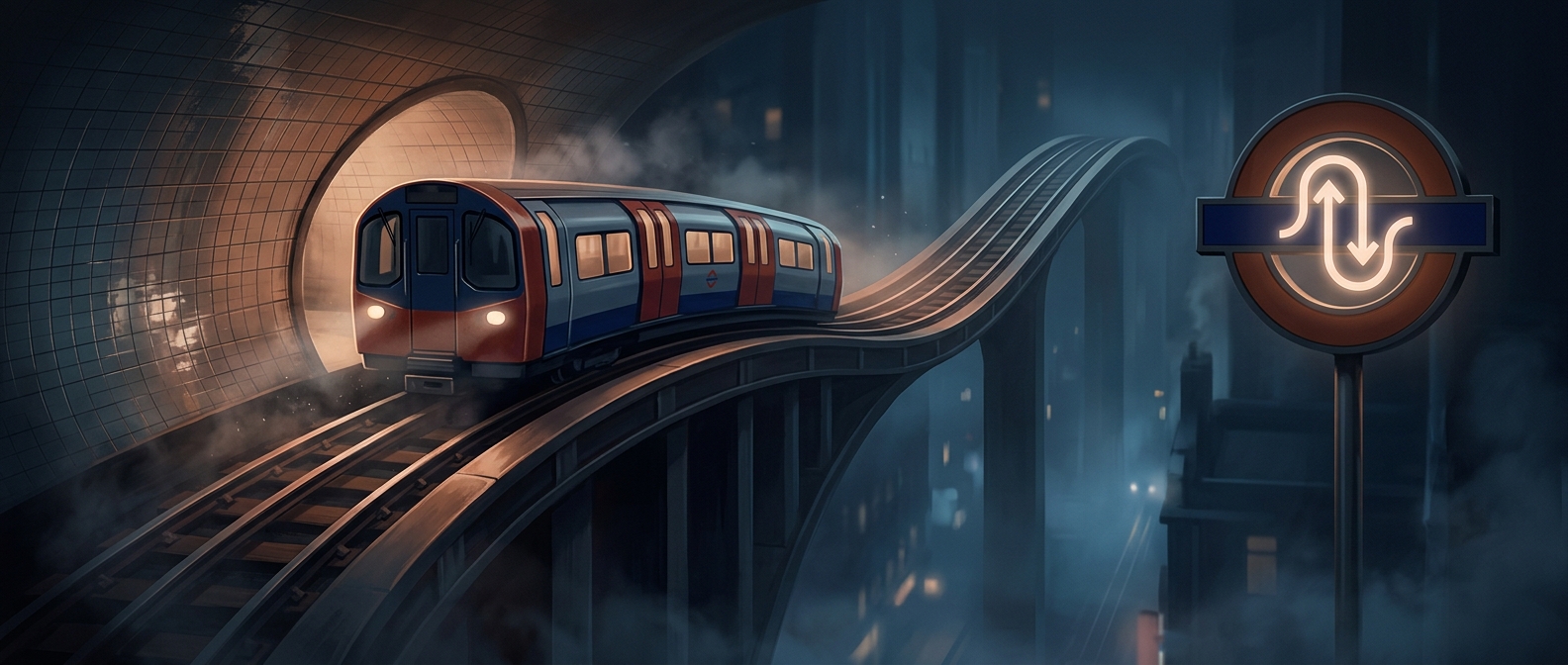
The tunnel made speed noisy
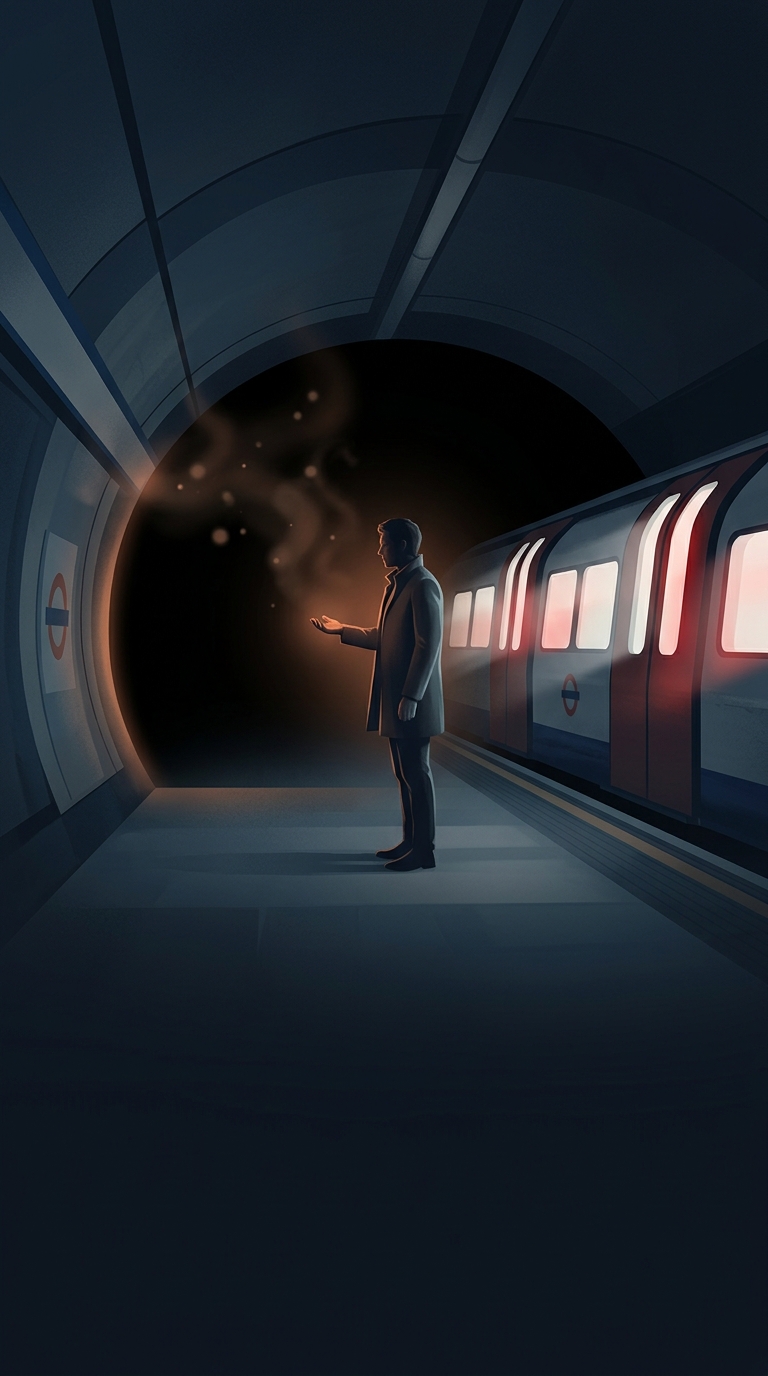
When a fast train enters a narrow tunnel, it pushes air ahead of it. In the confined space, that air cannot easily move aside, so a pressure wave travels toward the far end. When the wave bursts out, it can produce a sharp boom known as a tunnel boom—a problem for people living near tunnel exits as well as for the railway’s noise limits.
The faster the train, the more abruptly it can shove air into the tunnel. Engineers therefore had to shape the front end to manage not just wind resistance in open air, but also the pressure wave created underground.
A longer nose softens the shove
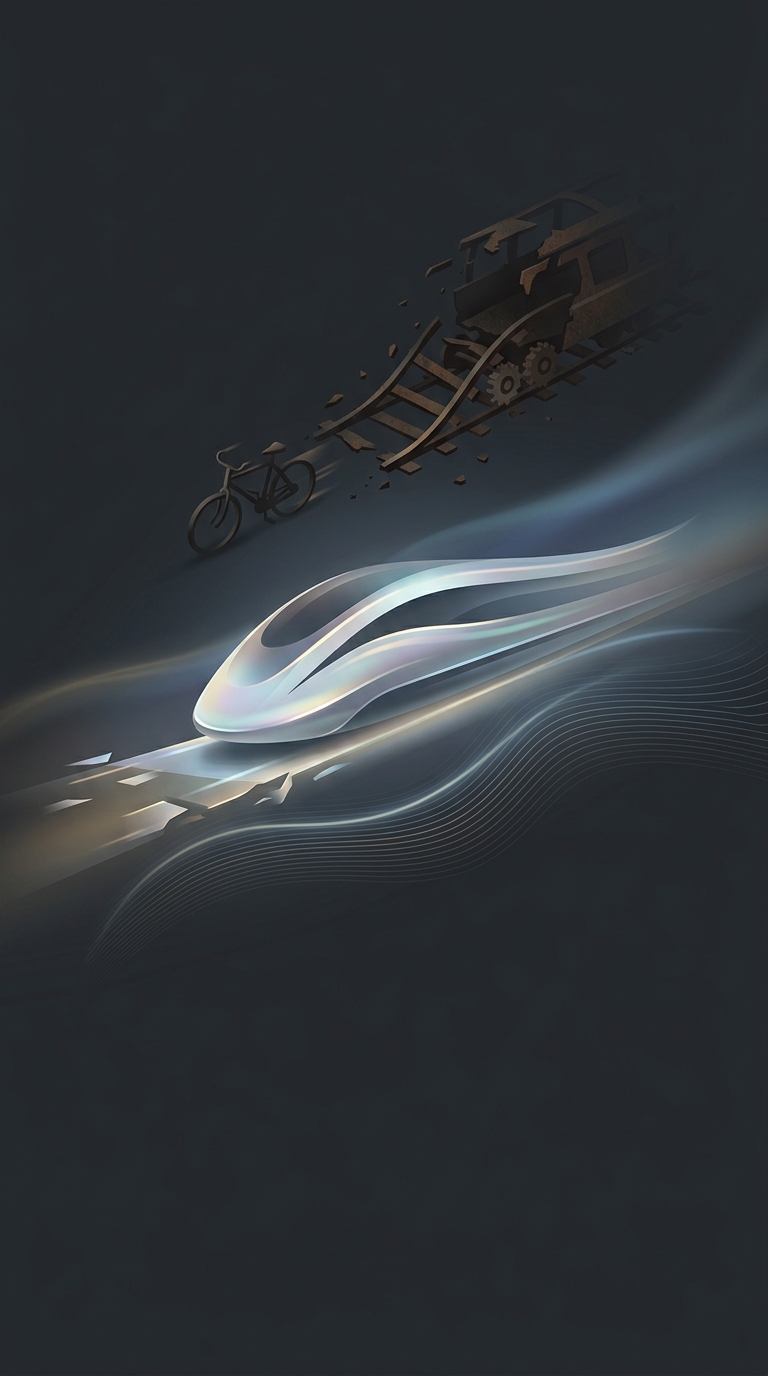
A blunt train front displaces a large volume of air in a short time. A long, tapered nose pushes that air aside more gradually, helping reduce the strength of the pressure wave before it reaches the tunnel exit. The same aerodynamic shaping can also cut drag and the whooshing noise made as the train moves through open air.
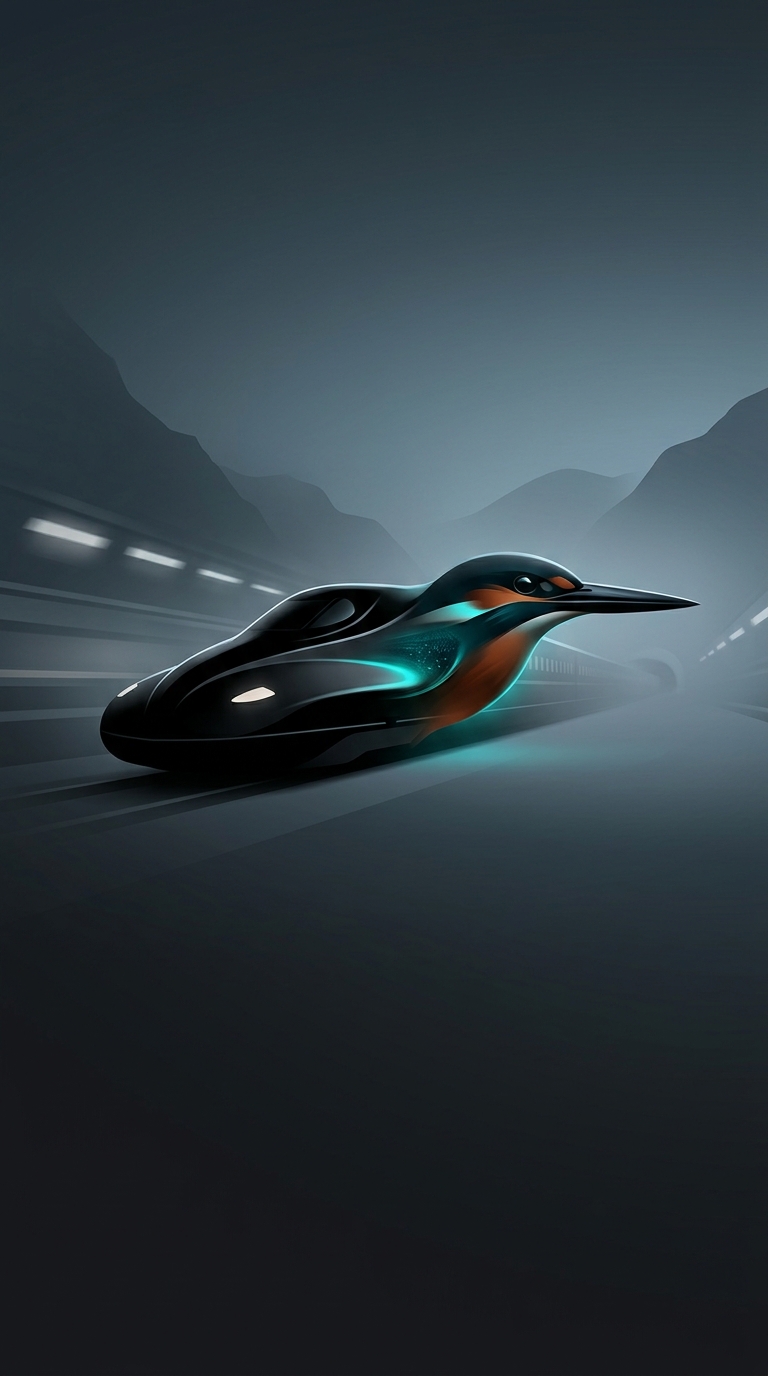
That is why the nose can look less like a conventional locomotive front and more like a beak: its length gives the airflow room to change direction smoothly. On some Japanese designs, engineers have cited the kingfisher’s beak as inspiration for a shape that enters water with little splash. The goal for a train is different, but the useful principle is similar: a carefully tapered front can reduce the disturbance created when an object moves quickly into a medium.
The shape is a practical tradeoff
A longer nose takes up space that could otherwise be used for passengers or equipment, and it must still fit the train’s operating needs. Designers balance those costs against quieter, more efficient running and less disruptive pressure waves. The odd-looking front is therefore not decoration: it is part of how a high-speed train can pass through a tunnel without sending as forceful a burst of air out the other end.