Why a thin layer of leaves can stop a train
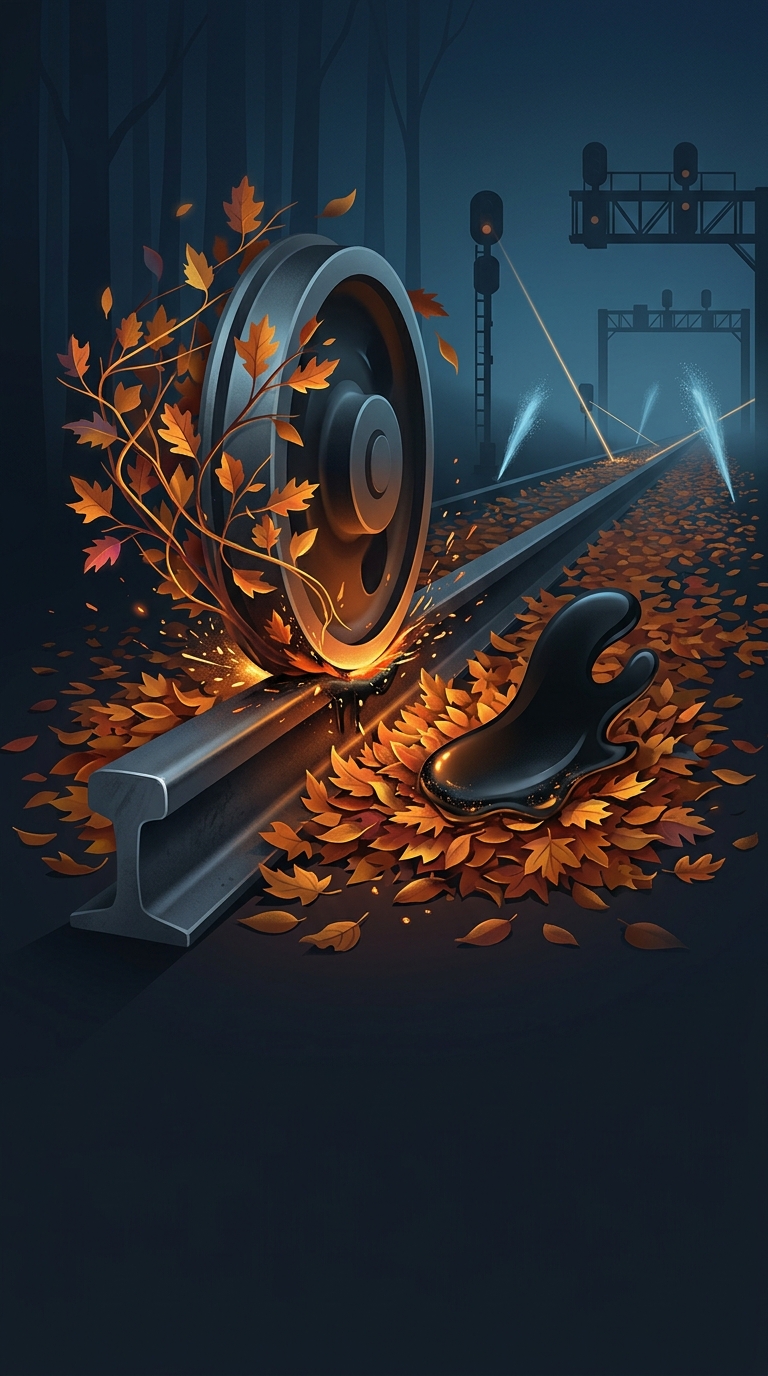
Steel wheels normally grip steel rails well enough to accelerate and brake reliably. But when fallen leaves are crushed under passing wheels, they can form a compact, often damp film on the railhead—the top surface the wheels run on. The film acts like a lubricant, sharply reducing the friction between wheel and track.
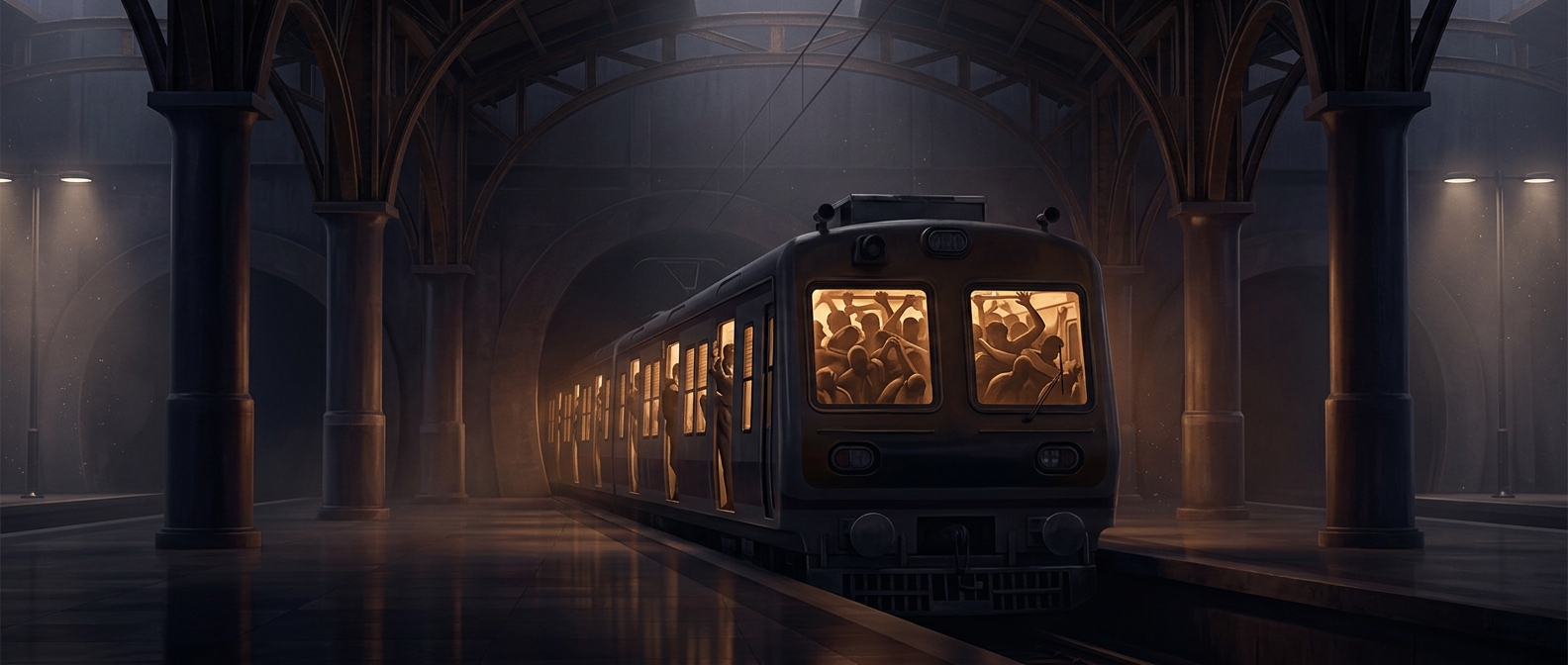
That loss of grip matters in both directions. A train may struggle to pull away or climb, and its wheels may slide when it brakes. Modern trains can detect wheel slip and adjust braking, but those safeguards cannot restore the missing grip; drivers may need to approach stops more cautiously, and disrupted journeys can ripple through a busy timetable.
Cleaning the rail, then helping the wheels grip
Rail crews tackle the problem by removing the leaf residue from the railhead. Special treatment trains can use powerful water jets to scour it away. They may also apply a gritty mixture, commonly known as Sandite, which leaves particles on the rail to improve adhesion—the grip that lets wheels transfer braking and driving force to the track.
The treatment is not a permanent fix: more leaves can arrive, and trains can wear the material away. Work therefore has to be repeated along vulnerable stretches during the leaf-fall season.
A seasonal problem with a network-wide cost
The difficulty is not simply the number of leaves. A small amount can become troublesome when repeated wheel pressure compresses it into a slick layer, while even a brief delay can affect trains sharing the same lines. The railway’s response is consequently both mechanical and logistical: clean the track, restore grip, and keep revisiting the places where autumn keeps laying down its slippery carpet.