Why a Killer Could Seem Ordinary to Neighbors
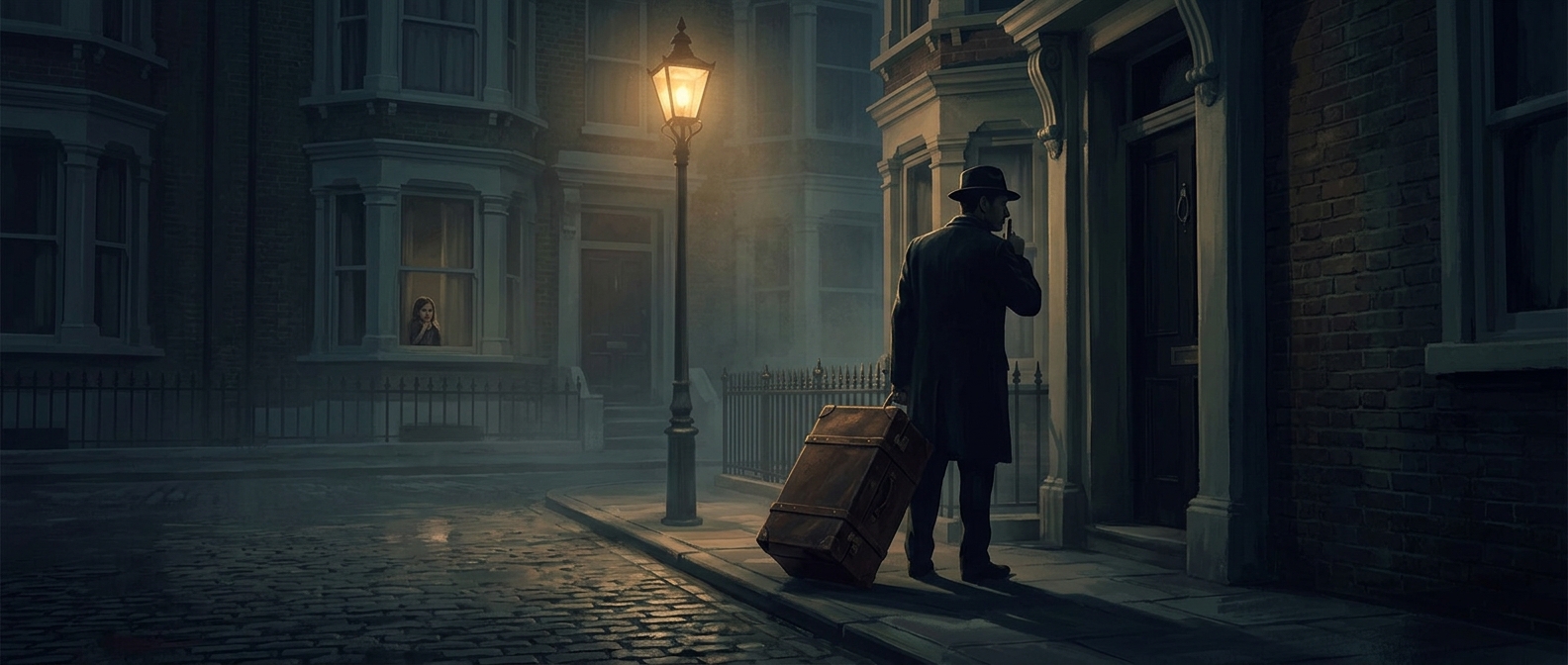
A neighbor usually sees only a narrow slice of someone’s life: a greeting in the hallway, a familiar car, perhaps a brief exchange over a fence. Those encounters reveal little about what a person does elsewhere. Someone can keep predictable routines and behave unobtrusively in public while concealing serious violence from the people nearby.
That gap is not proof that neighbors were foolish or that a killer possessed some special charm. It reflects how ordinary social trust works: people tend to judge the person they encounter in familiar settings, not an unseen private life. Unless behavior gives them a clear reason to suspect danger, a quiet manner may register simply as quiet.
What Memories Can—and Cannot—Show
After a crime becomes public, neighbors are often asked to describe the person they knew. Their memories can help establish routines and relationships, but they are not a complete portrait. The crimes change the meaning of old details: a short conversation or a closed door may suddenly seem significant, even if it seemed unremarkable at the time.
The contrast between a familiar public image and hidden conduct is therefore a limit of observation, not a reliable clue that could have exposed the truth. A person’s ordinary appearance tells us what others were able to see—not everything that person was doing.