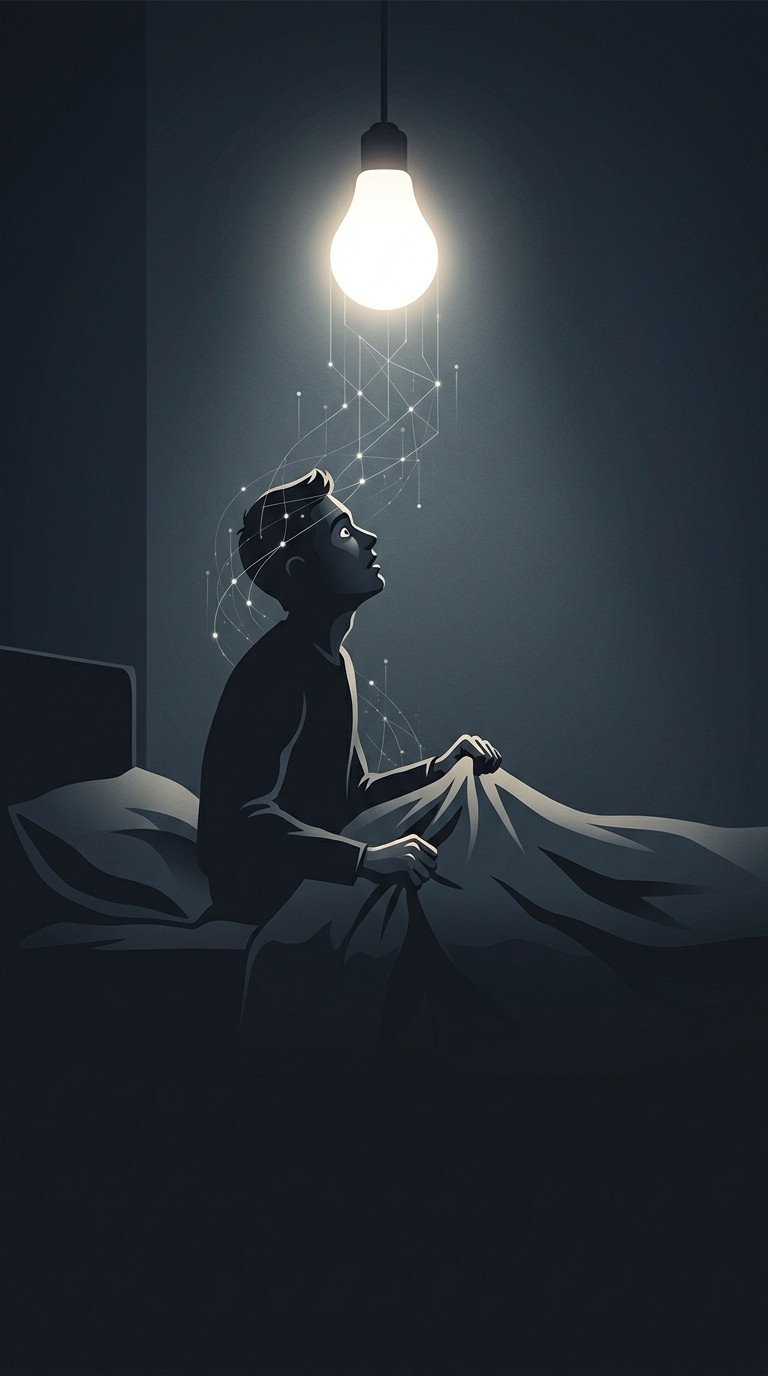
Why a Smart Bulb Can Wake the Room at Full Blast
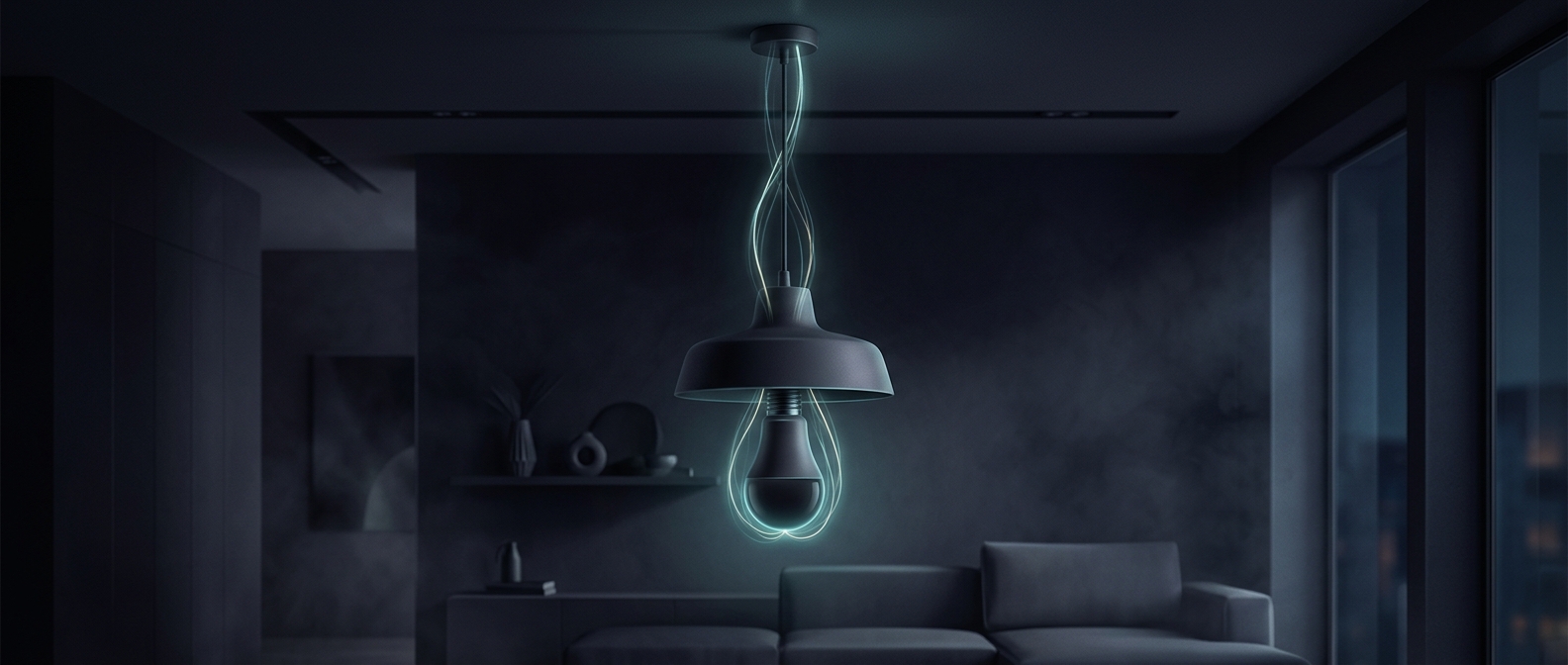
A smart bulb is still a light bulb with a small computer inside. If its power is interrupted—by a brief outage, a loose connection, or someone flipping the wall switch—it has to decide what to do when electricity returns. Some bulbs are set to come back on at full brightness, rather than stay dark or restore their previous dim setting.
That behavior is a fallback, not a special 3 a.m. feature. A bulb that defaults to “on” is easier to use with an ordinary wall switch and guarantees light after power returns. But if the interruption happens overnight, the fallback can feel like a sudden flashbang.
The Smart Controls May Not Be in Charge
Brightness settings and schedules often depend on the bulb’s electronics, app, or home network being available. During a reboot, the bulb may briefly start with a basic built-in setting before it reconnects and receives its usual instructions. A scheduled scene or app setting cannot prevent that initial flash if the bulb has already powered up at full brightness.
The exact behavior varies by model. Some bulbs let you choose what they do after power is restored; others remember the last setting or use a default. Checking the bulb’s power-on or recovery setting can help—but the key detail is that a “smart” bulb still needs a sensible plan for the moment its smart features are offline. At 3 a.m., that fallback can matter more than the app.