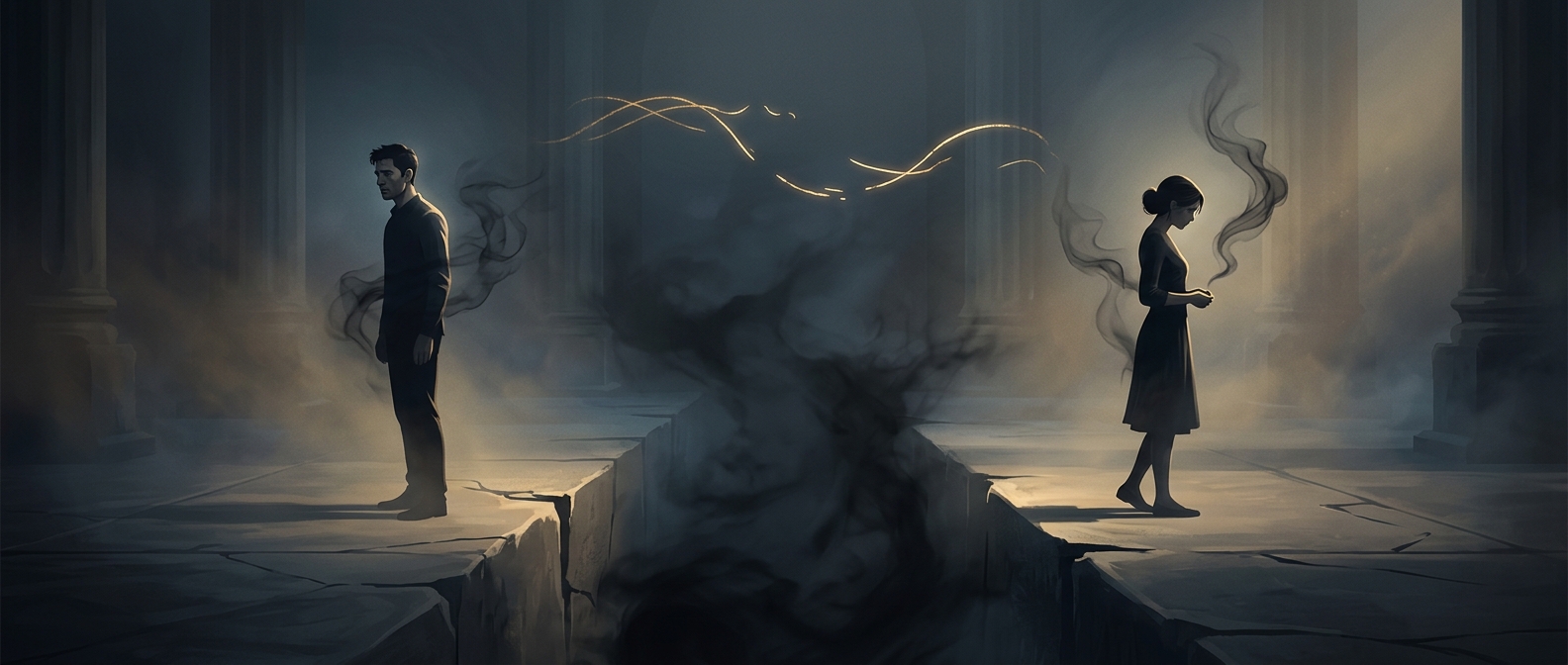
How a Sneeze Turns an Ordinary Scene Into an Outbreak
A sneeze is a tiny event with a built-in plot mechanism: it sends droplets into the air, and everyone nearby can see—or hear—that something has just spread. In a story about an unknown infection, that makes a stray sneeze an efficient first warning. The audience knows what it could mean before the characters do.
From Familiar Symptom to Escalating Threat
The symptom itself is commonplace, so it can slip into an otherwise ordinary scene without announcing the danger too soon. Then the story changes its meaning. A cough, a smear of blood, or a sudden illness in someone nearby can make the sneeze feel like the first link in a chain of transmission. The tension comes from the gap between the small sign and the terrible possibility attached to it.
“Flesh-eating” is usually a horror label, not a precise medical description. It compresses bodily damage into an instantly alarming image, while the outbreak plot gives that image a route from one person to the next. Together, the ideas turn an invisible threat into something the audience can track through faces, rooms, and crowds.
Why the Trope Works
The sneeze gives the story a clean point of no return: a character has been exposed, but neither the character nor the audience can yet know what will happen. That uncertainty can propel the second act, as ordinary contact becomes suspicious and each new symptom raises the stakes. A sound that would normally prompt a tissue—and little else—becomes a warning that the danger may already have moved on.