At Cartagena, the British expedition ran out of strength before its guns could decide the siege
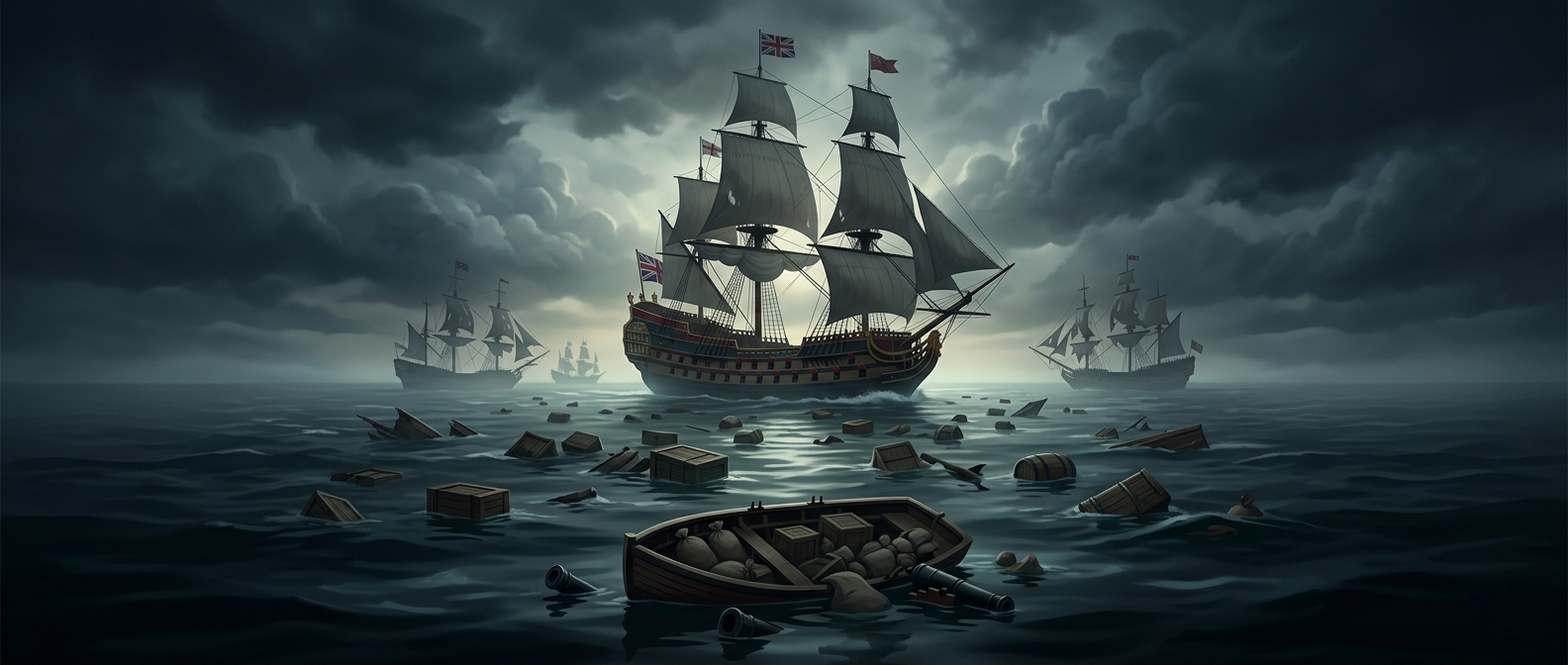
In 1741, Britain sent a vast naval expedition against Cartagena de Indias, Spain’s fortified Caribbean port in what is now Colombia. The fleet could bring troops and artillery across the Atlantic, but taking a city required more than reaching its harbor: soldiers had to land, move heavy guns into position, keep them supplied, and remain fit to fight. Those tasks depended on a chain of provisions and coordination that proved fragile.
A siege needs food, transport, and agreement
The British force included sailors and soldiers under different commanders, and disagreements over how to conduct the campaign hindered cooperation. That mattered on land, where naval guns could not by themselves capture the city. Troops needed food and fresh water, while siege equipment and ammunition had to be hauled through difficult terrain. When supplies failed or plans stalled, the army’s ability to press the attack shrank—even though the fleet still carried formidable firepower.
Disease turned delay into defeat
Yellow fever and other illnesses spread through the expedition in the hot, humid environment. Yellow fever is a mosquito-borne disease that can cause severe fever and, in serious cases, internal bleeding and organ failure. Crowded ships and camps made illness especially costly: sick or dead men could not carry supplies, work artillery, or hold positions. As the campaign dragged on, disease further weakened a force already strained by shortages and command friction.
The Spanish defenses and their cannons mattered, but the British could not bring their full strength to bear for long enough. The episode shows the central problem of an overseas siege: naval power could deliver an army to the coast, but only reliable supply and coordinated action could keep it fighting there.