Why laughter can hide a loss of control
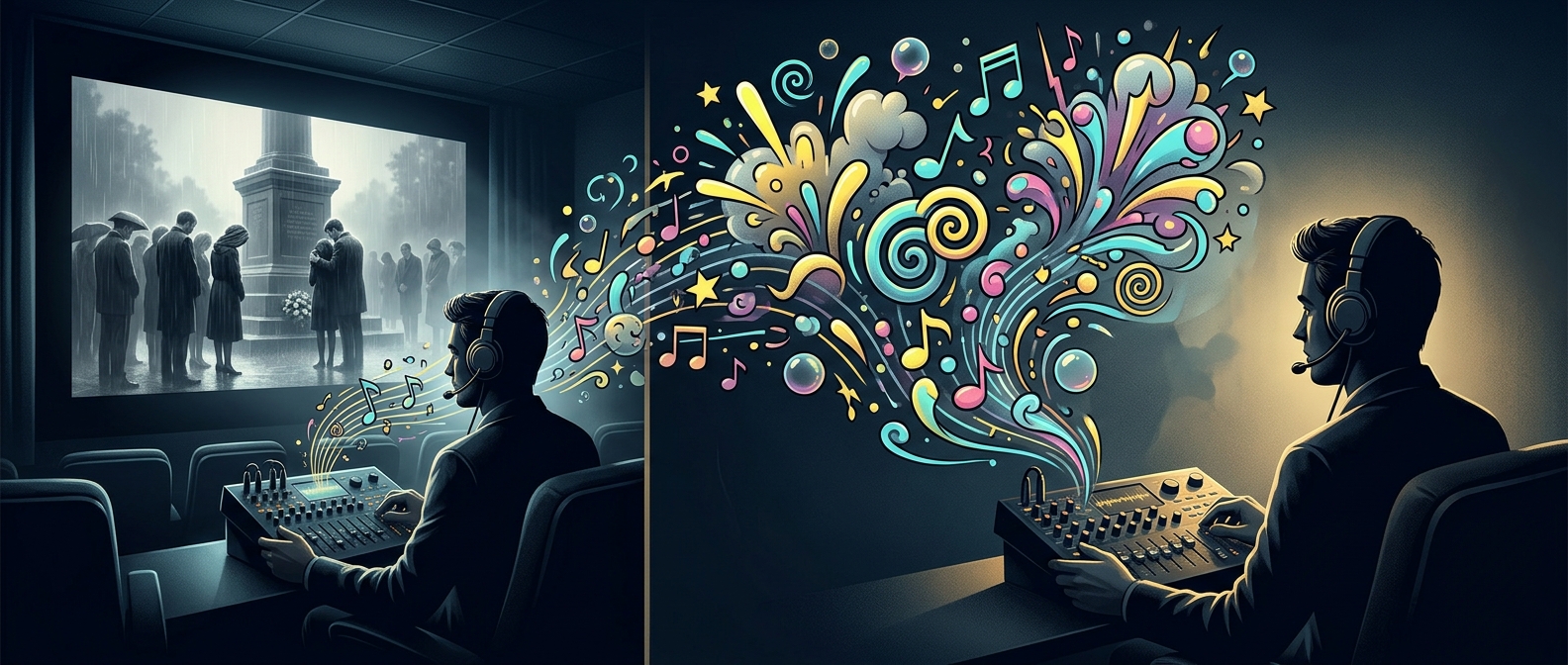
Tickling creates an unusual mismatch between what a body does and what a person may be feeling. The touch can trigger laughter and squirming even when the recipient is uncomfortable; those reactions are not reliable proof of enjoyment. Because the response looks playful from the outside, it can make distress harder to recognize—and make a coercive situation look like a game.
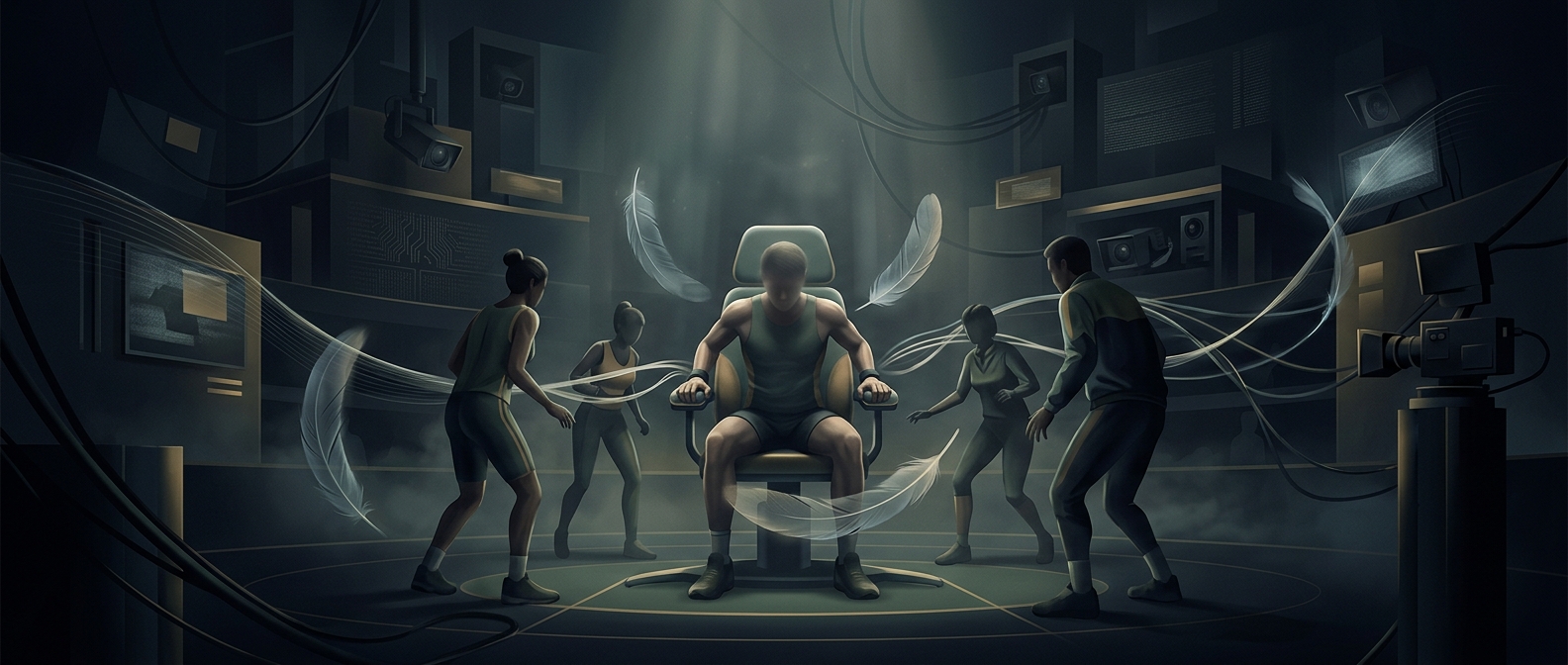
That ambiguity matters in endurance videos. The premise turns a bodily reaction into a performance: participants are expected to keep going while an audience watches. But the central question is not simply whether someone agreed to begin. It is whether they can set limits, stop, and leave without facing pressure or punishment.
The power behind a performance
Payment can complicate that choice. Someone may accept a job voluntarily and still have little control once money, organizers, and access to future work are involved. The person arranging a shoot may control the rules, the setting, and what happens to the footage, while the participant has fewer ways to challenge those decisions. Consent is meaningful only if it remains possible to withdraw it.
That is why asking who funds and controls a production can reveal more than watching the finished video. A screen shows the reaction; it does not show the negotiations around it, the participant’s options, or what follows a request to stop. Those unseen relationships determine whether a seemingly silly spectacle is genuinely consensual.
The unsettling lesson is that laughter can make a boundary violation look harmless. To understand what a performance means, viewers have to look beyond the sound and ask who had the power to decide when it ended.