A patent can reach a trait through the crop that carries it
A useful distinction is between owning a naturally occurring feature and patenting a human-made way of using it. A company generally cannot claim a trait simply because it exists in nature. But it may seek patent protection for a particular crop, genetic alteration, breeding method, or other invention associated with that trait. The legal reach depends on what the patent’s claims actually describe and on the rules where it is granted.
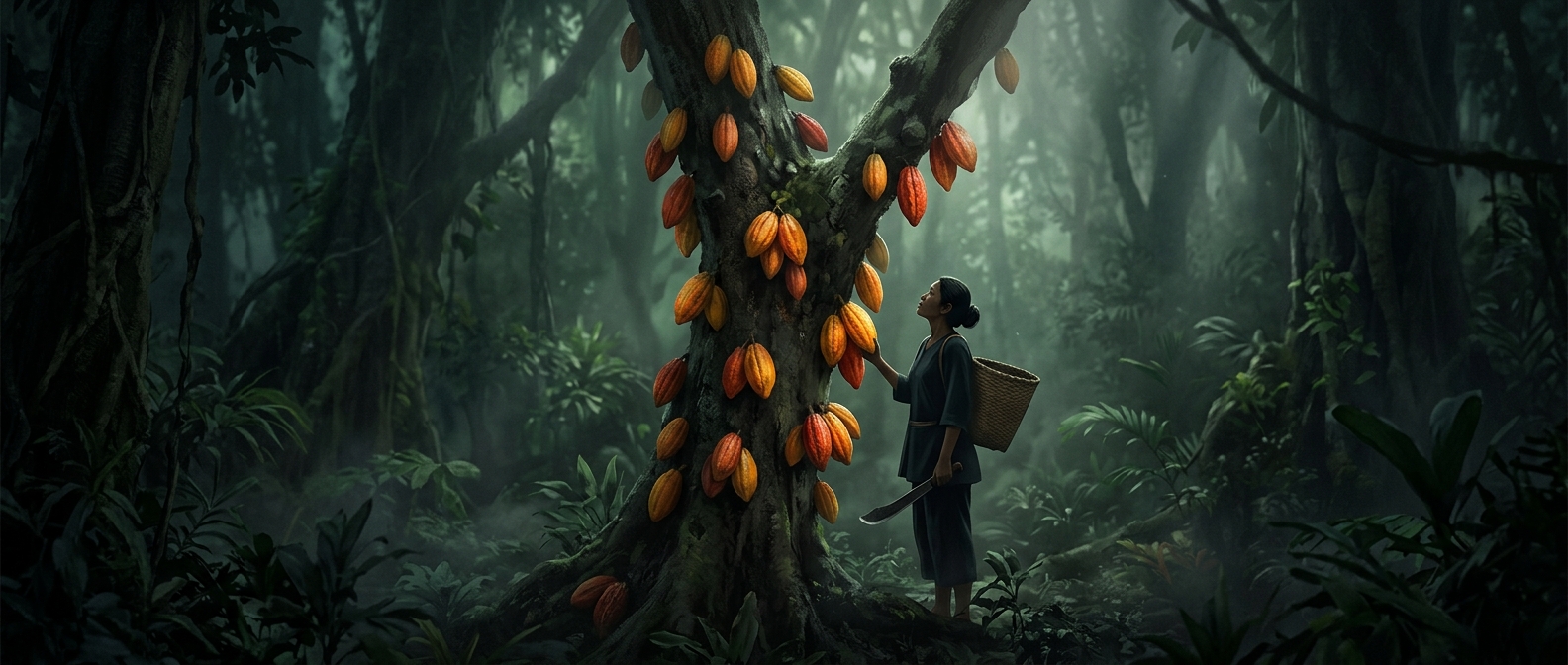
That can matter even when the underlying feature—such as resistance to a pest—was first found in a wild plant. Breeders can identify plants with the feature, cross them with cultivated crops, and select descendants that retain it while also producing usable yields. The resulting seed is not the wild plant unchanged: it reflects years of deliberate breeding. A patent may cover specified versions or methods, rather than the trait in every organism.
Legal control changes how seed moves
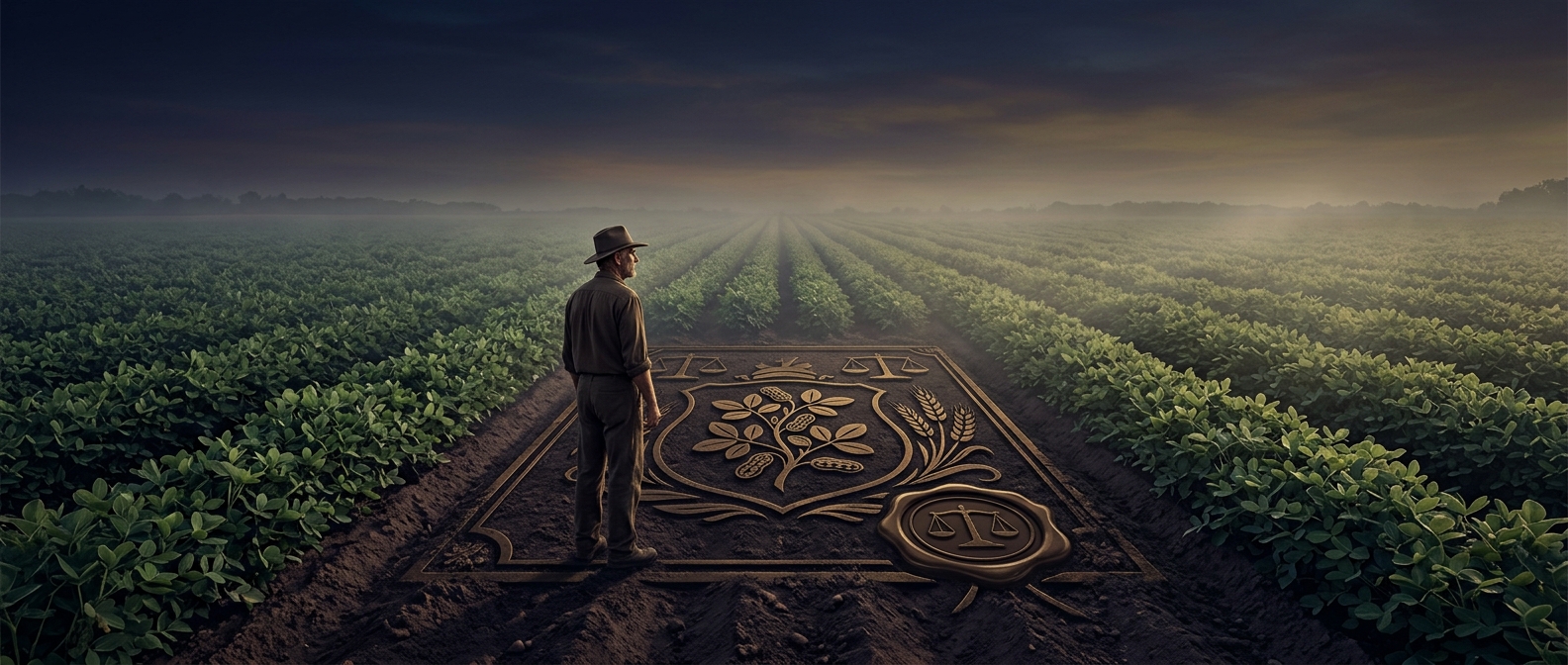
A patent gives its owner a limited-term right to stop others from making, using, or selling what the patent claims, subject to applicable law. In farming, that can mean a grower or seed company must obtain permission to use protected seed or reproduce it for sale. Licenses can set terms, and competing breeders may need to develop a different route to the same practical result.
The economic leverage comes from controlling a useful crop feature, not from rewriting nature’s history. A naturally occurring trait may be the starting point; the patent’s boundaries determine which human-made versions and uses are restricted. For farmers and competitors, the important question is therefore not only where a trait originated, but exactly what the patent claims cover.