Why a grin can feel wrong
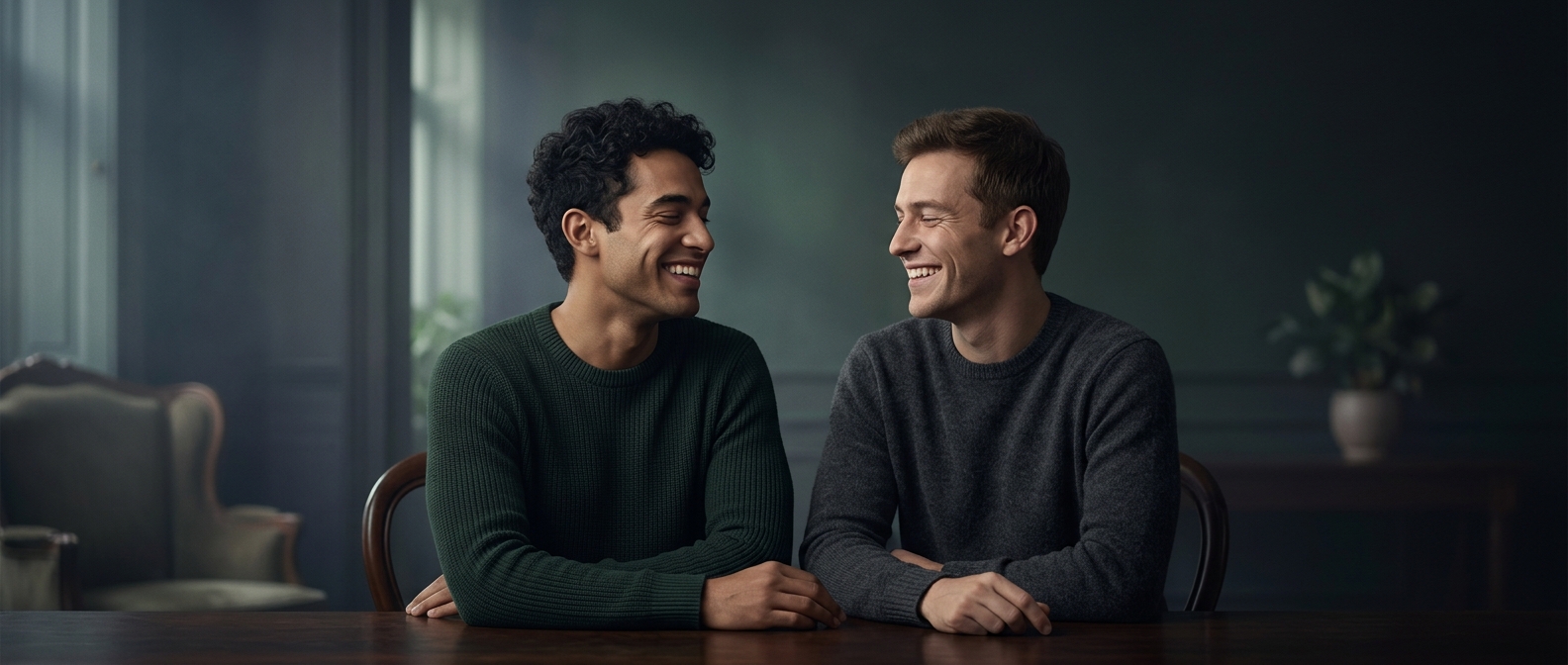
People don’t read a smile from the mouth alone. They also notice what the eyes are doing, how quickly the expression appears, and whether it fits the moment. When those cues don’t line up, the face is harder to interpret—and a broad display of teeth can seem less welcoming than intended.
The face sends more than one signal
A relaxed, genuine smile often changes the area around the eyes as well as the mouth. A deliberately held grin may mainly pull the lips back, leaving the eyes comparatively still. That mismatch can suggest effort or tension rather than ease. It doesn’t prove that someone is hostile; it simply gives an observer less reason to read the expression as uncomplicated friendliness.
Timing matters, too. A smile that arrives abruptly, lasts too long, or stays in place after the conversation has shifted can feel less responsive. In ordinary social interaction, people use expressions to gauge whether someone is relaxed, attentive, or uncomfortable. When a grin seems out of step with the situation, they may hesitate over what it means.
Why uncertainty can turn into caution
Facial expressions are clues, not reliable verdicts about another person’s intentions. But when clues conflict, people have to make a judgment without knowing what produced the expression: politeness, nerves, discomfort, or something else. A tense mouth and exposed teeth can make the less friendly interpretation feel plausible, especially if the setting already feels uneasy.
That is why forcing a bigger smile can backfire. A smaller expression that fits the moment—and reaches the eyes naturally—may communicate warmth more clearly than a fixed grin.