A Writing Board That Moved Under the Hands
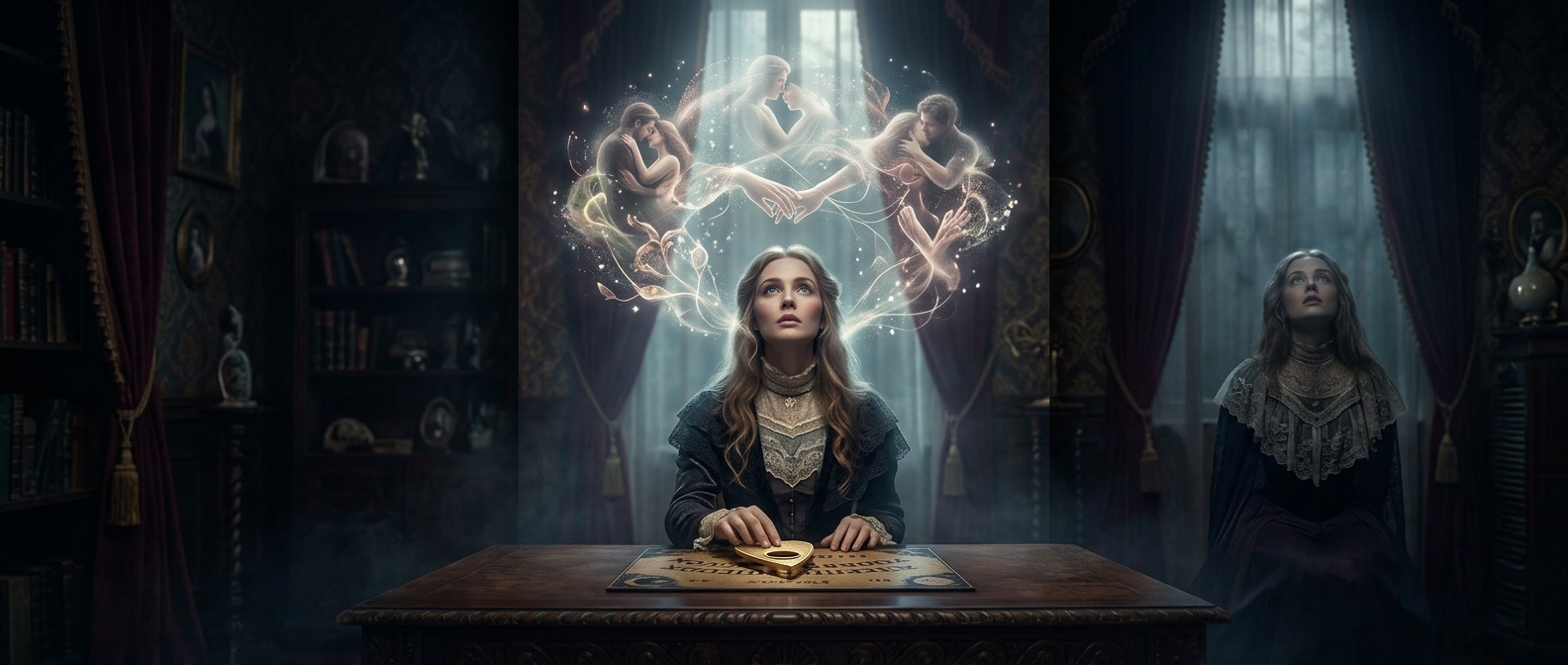
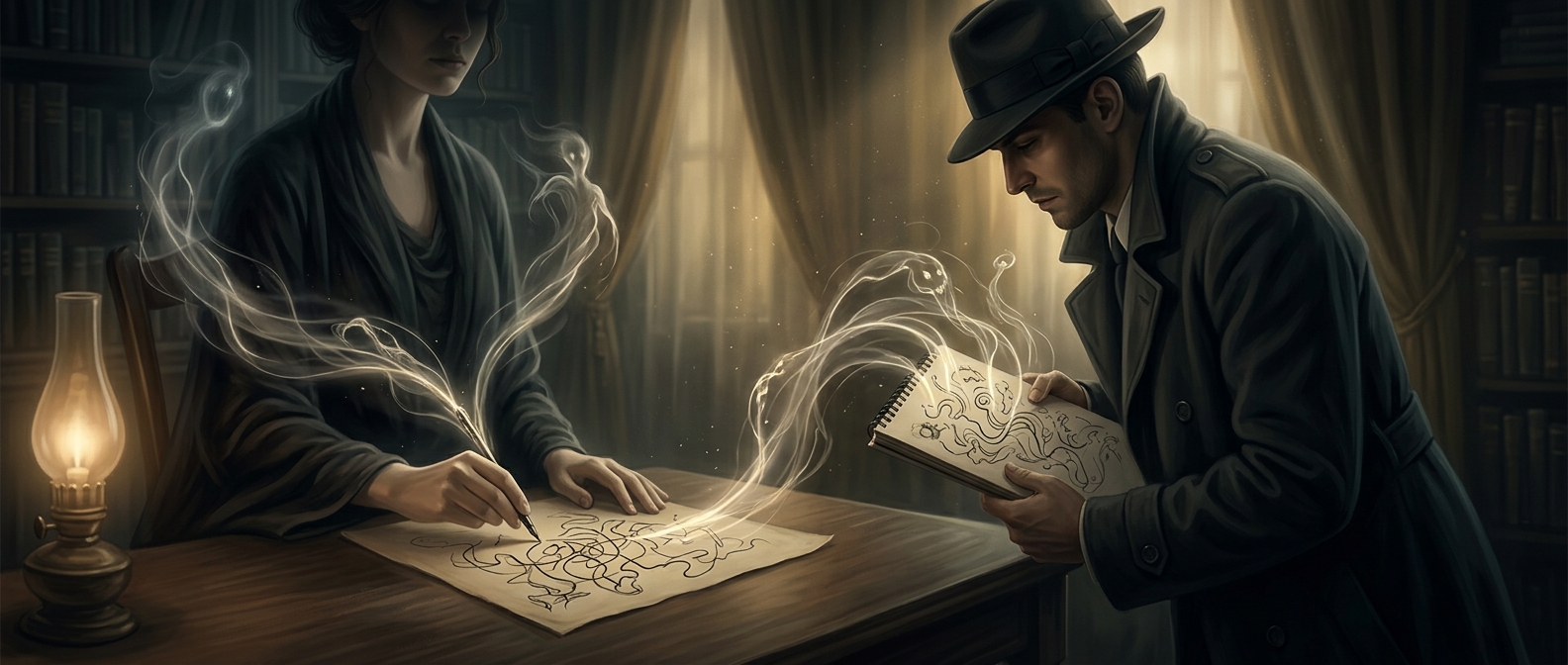
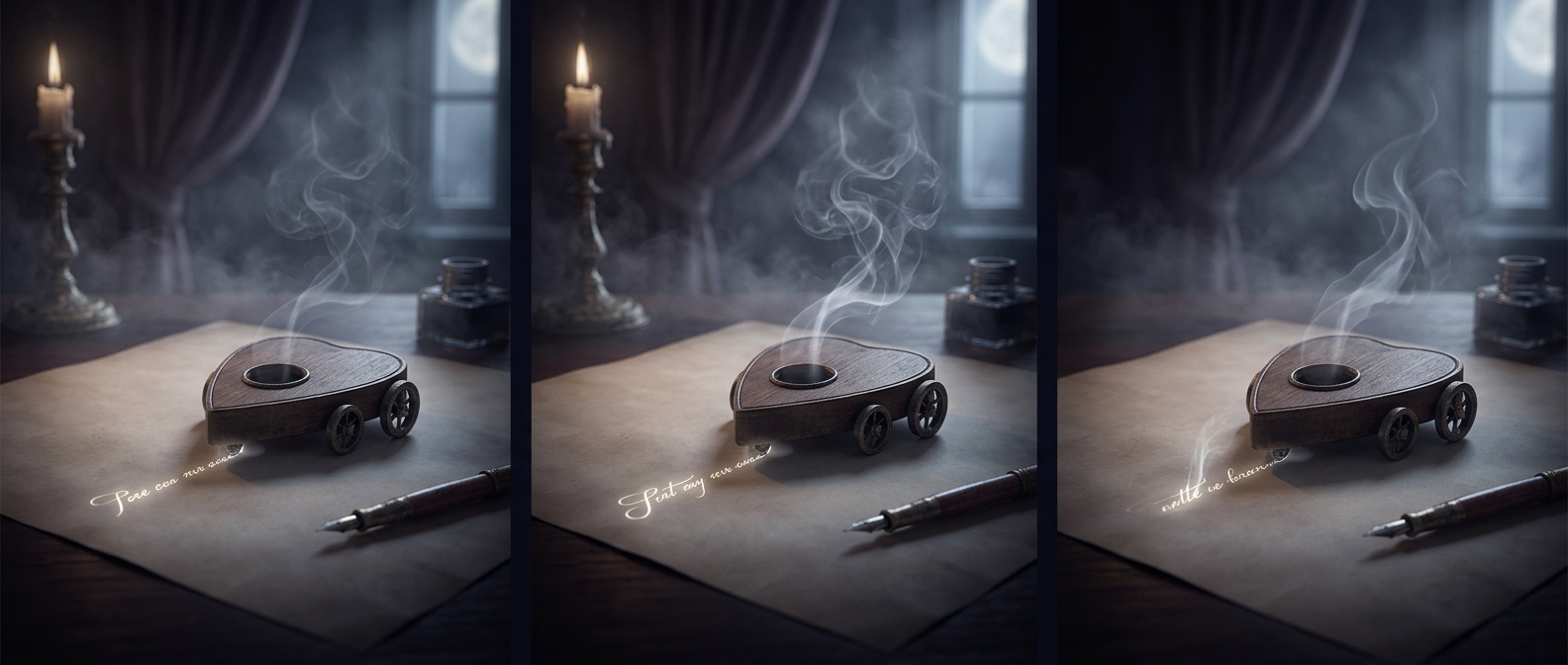
A planchette was a small, movable writing surface with a pencil fixed through it. In common designs, tiny wheels or casters let it glide across paper as a person—or several people—rested fingertips on its edges. The pencil translated that motion into words. Unlike a printed alphabet board, the planchette could produce handwriting directly, making it a compact instrument for séances and private experiments in automatic writing.
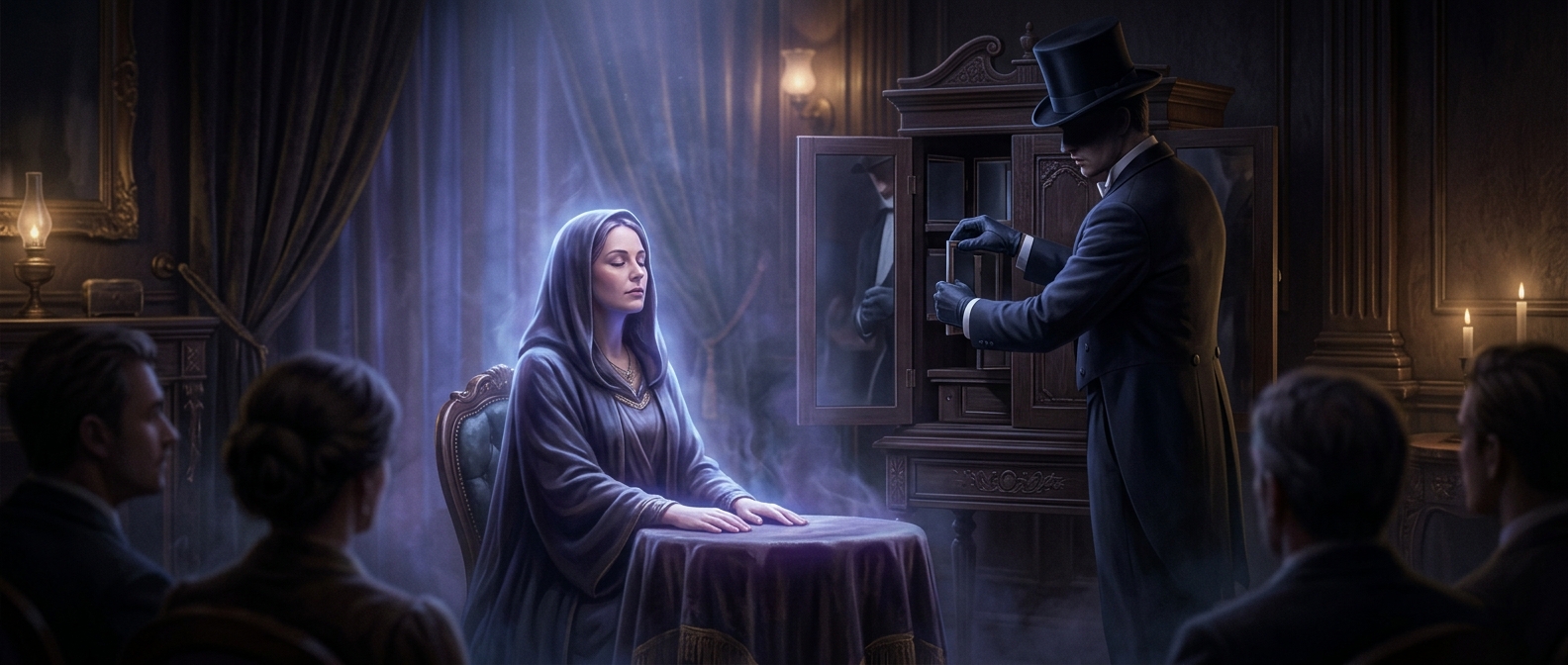
The device did not need a deliberate push to move. Small, unconscious muscle movements can guide an object even when its users feel they are holding still. In a séance, that subtle motion could seem to come from outside the participants, especially when the writing appeared gradually and no one claimed to be composing it. Spiritualists interpreted the resulting messages as communication from spirits; the planchette gave that belief a visible, physical form.
From Instrument to Shared Experience
Its design also shaped how the practice felt. A pencil-bearing board turned an invisible presence into marks on a page, while several people could place their hands on it and watch the same movement unfold. That made the planchette both a writing tool and a focus for group attention.
The familiar heart-shaped outline was practical as well as distinctive: it offered room for fingers while allowing the point to travel over the paper. What made the instrument memorable was not just the message it produced, but the unsettling gap between feeling a hand at rest and seeing the pencil move.