stackyFACTS
Technology

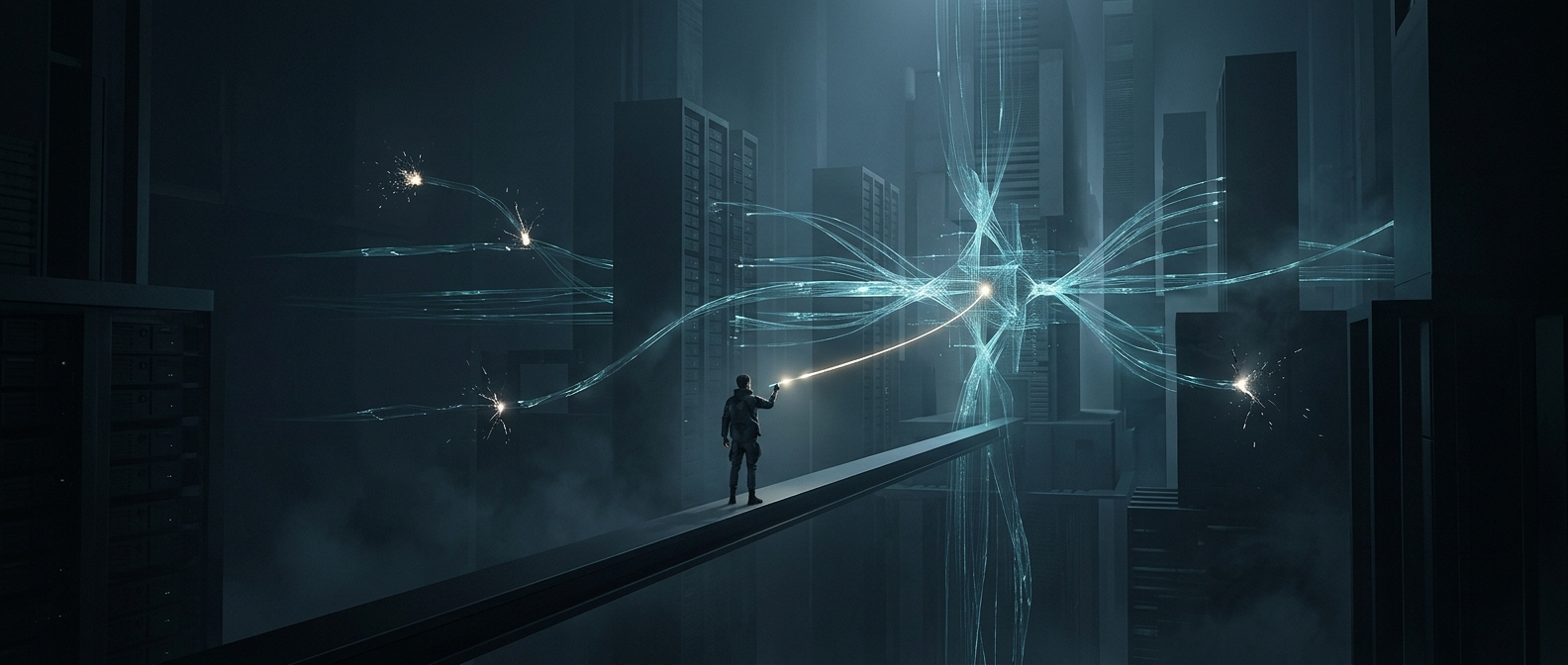
Ultraleap uses heavily concentrated acoustic radiation pressure from hundreds of microscopic ultrasound speakers to project physical sensations directly onto your bare hands…

HERE’S THE INTERESTING PART

Virtual reality apparently wasn't dystopian enough without feeling objects that do not actually exist. This system relies on the constructive interference of targeted ultrasound waves to construct a physical pressure field in mid-air. You can squeeze a holographic button and feel genuine physical resistance, proving humanity is relentlessly determined to physically touch the digital void.

One discovery leads to another.

Keep exploring facts in this topic.

Technology →


STACKY FOR IPHONE

A bigger world.
One discovery
at a time.

Keep discovering with Stacky. Interesting facts in an app that is always within reach.

Download on the App Store
ONE MORE DISCOVERY?

Keep exploring

All in this topic →
One route to the mouse wheel began with a zoom idea
Technology

One route to the mouse wheel began with a zoom idea

Microsoft's Eric Michelman wanted an easier way to navigate large Excel sheets and first imagined a lever that zoomed in and out. Scrolling later became the…

Discover more
An early ultrasound scan could mean climbing into a water tank
Technology

An early ultrasound scan could mean climbing into a water tank

In the 1950s, researchers including Douglass Howry's team used water baths to help ultrasound travel between the scanner and the body. Some experimental…

Discover more
Command-line interfaces demand absolute syntactic precision
Technology

Command-line interfaces demand absolute syntactic precision

A misplaced hyphen or wrong flag can change what a command does. Some destructive commands can erase an entire file system without asking for confirmation.

Discover more
Douglas Engelbart originally designed the computer mouse cursor to point straight up in 1981, but the Xerox PARC interface team tilted it forty-five degrees to the left because…
Technology

Douglas Engelbart originally designed the computer mouse cursor to point straight up in 1981, but the Xerox PARC interface team tilted it forty-five degrees to the left because…

Douglas Engelbart originally designed the computer mouse cursor to point straight up in 1981, but the Xerox PARC interface team tilted it forty-five degrees…

Discover more
A surgical robot can send the force on tissue back to your hands
Technology

A surgical robot can send the force on tissue back to your hands

Force-feedback instruments on the da Vinci 5 measure interaction with tissue and convey push-and-pull forces through the surgeon's controls. That restores a…

Discover more
Why computer screens look like office desktops
Technology

Why computer screens look like office desktops

Developers used familiar folders, trash cans and office-like backgrounds to make computers less intimidating than command lines.

Discover more
StackyMore discoveries in the app
Download on the App Store