A séance tool with a commercial patent
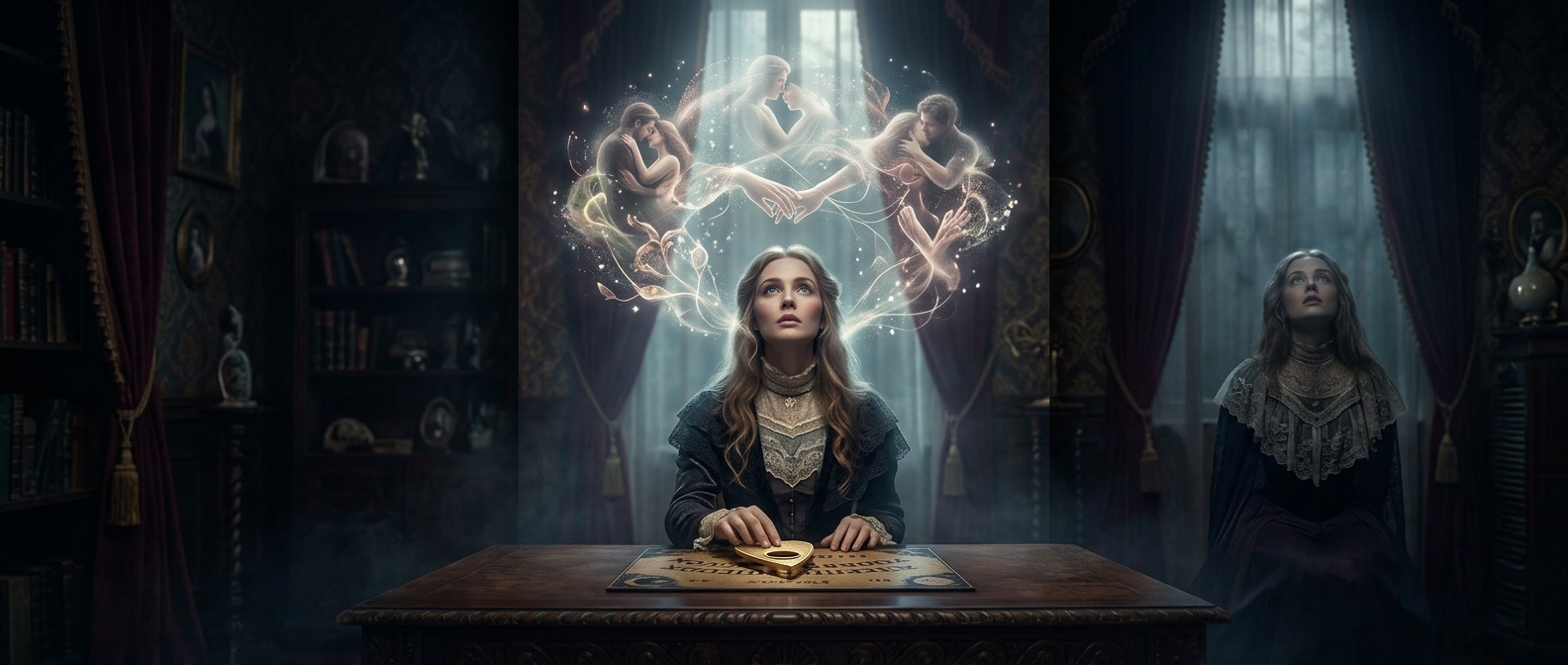
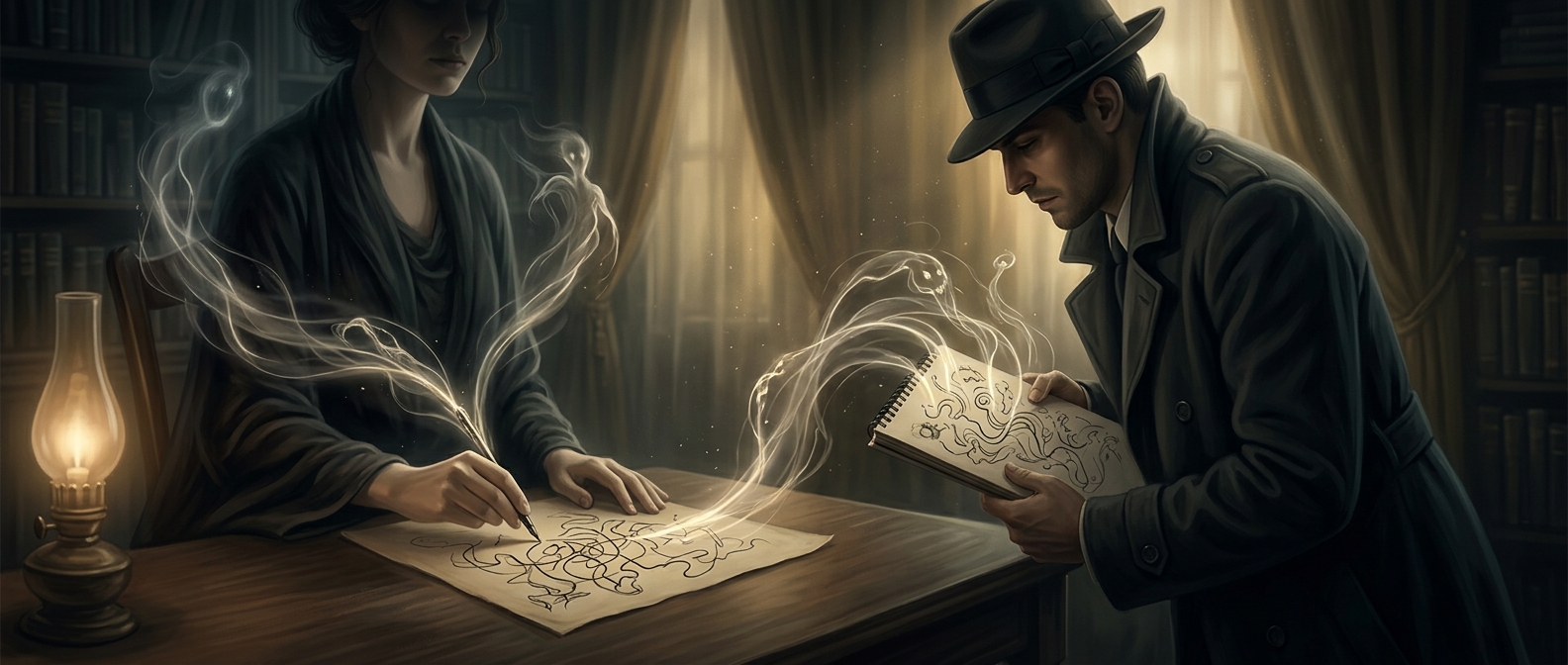
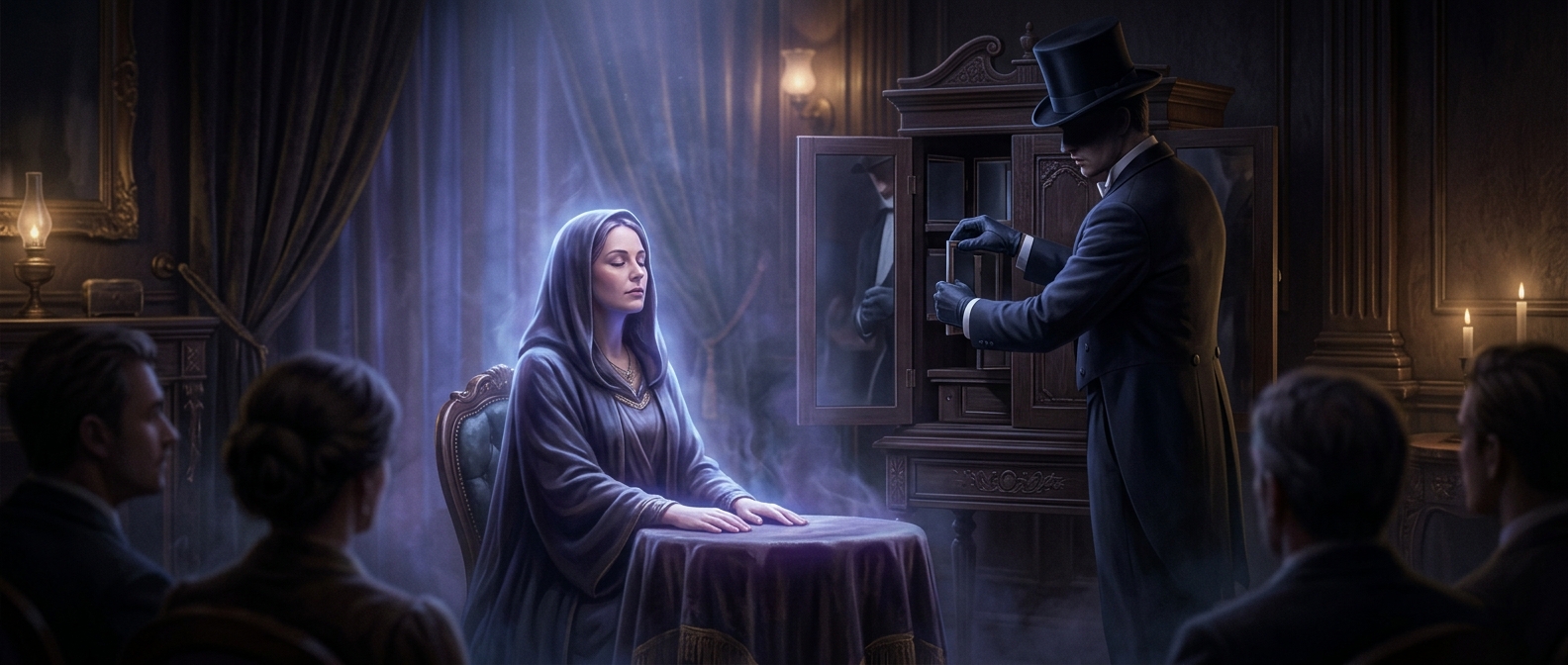
The Ouija board emerged from the 19th-century Spiritualism boom, when many Americans sought ways to communicate with the dead. Séances and practices such as automatic writing—writing believed by participants to be guided by spirits—made spirit communication part of popular culture as well as private belief.
Elijah Bond, a businessman, turned that interest into a product. Rather than inventing an ancient ritual object, he patented a board designed to make séance communication easy to stage and repeat. Its appeal lay partly in its simplicity: people gathered around a marked board, placed their fingers on a small pointer, and watched it move across letters and numbers to form messages.
How the message seemed to arrive
The pointer is called a planchette. Its movement can feel involuntary to the people touching it, which is central to the board’s mystery. A familiar psychological explanation is the ideomotor effect: small, unconscious muscle movements can guide an object even when the people moving it do not feel they are choosing its path. That account explains a possible physical mechanism; it does not erase what a séance could mean to people who believed they were speaking with spirits.
The board’s commercial design helped turn a séance practice into something that could be sold and used at home. A reported patent-office story captures the blend of theater and business: Bond supposedly invited spirits to spell out the patent officer’s name. Whether treated as a demonstration or a legend, the anecdote reflects the product’s selling point—an ordinary board that appeared to let unseen hands provide an answer.