Why a Motionless Person Can Look Like Stone
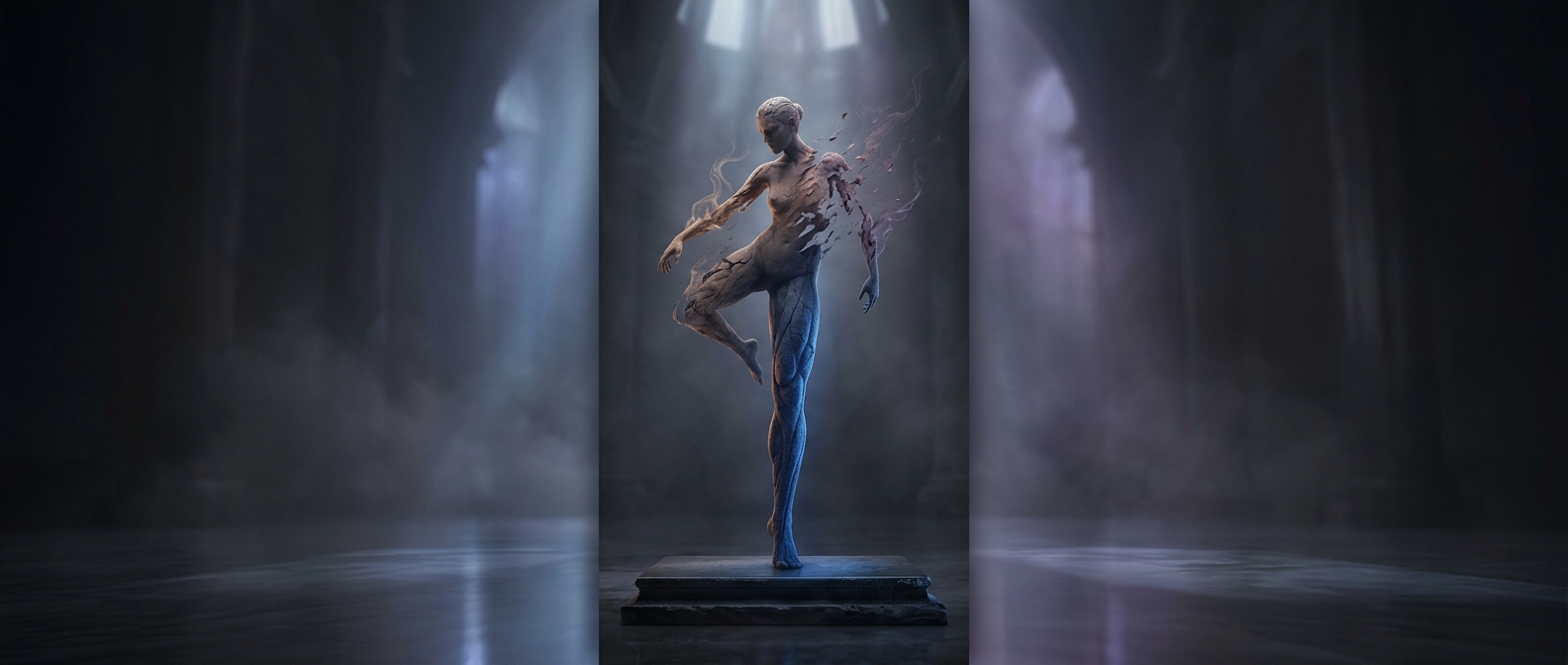
For a bird deciding whether something nearby is dangerous, movement is a powerful clue. A person who shifts weight, turns a head, or changes posture is readily recognized as an animal. When those cues disappear, the outline may instead resemble an unmoving object in the landscape. From a bird’s point of view, a still human can briefly be less noticeable than one who moves.
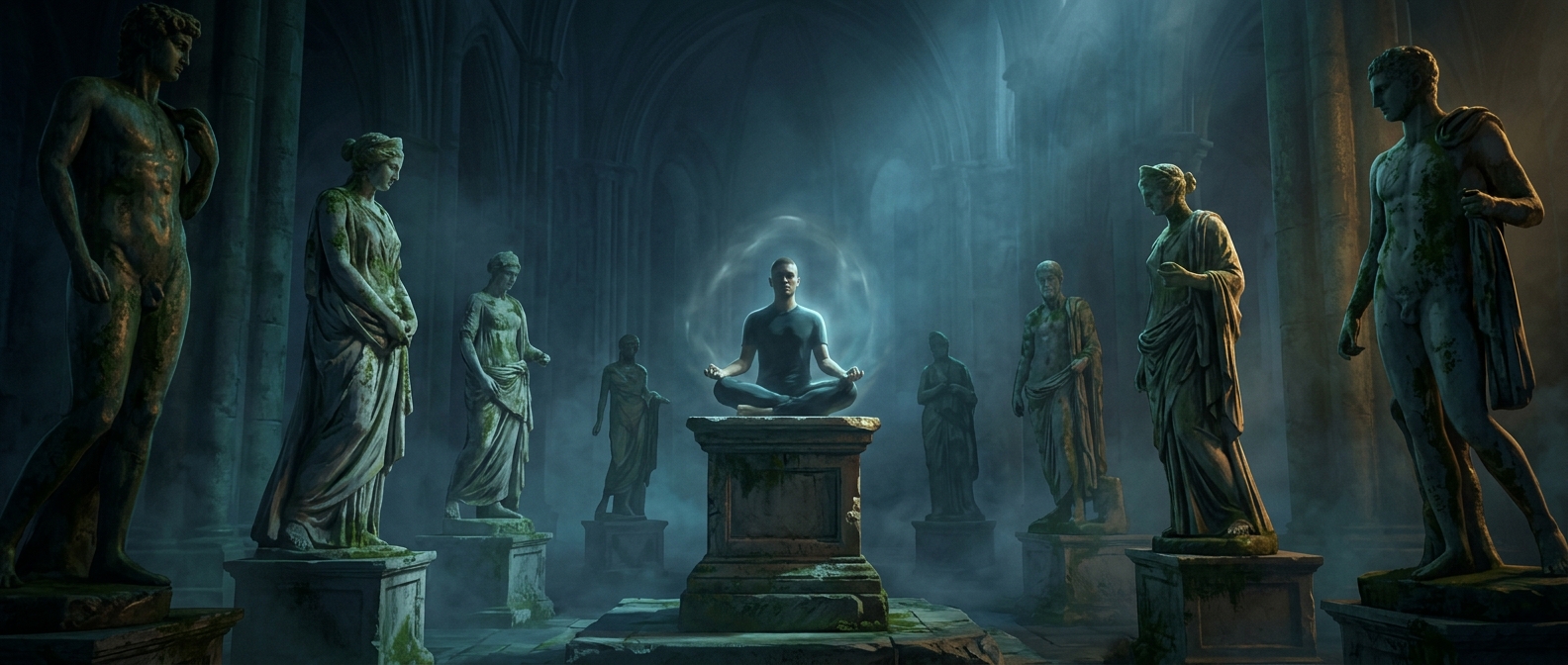
That resemblance is practical, not supernatural. Birds do not need to mistake a practitioner for a carved statue in any lasting sense; they may simply approach because the figure is not behaving like an alert, responsive creature. A sudden movement can reveal the person and send them away.
Stillness Takes More Than Holding a Pose
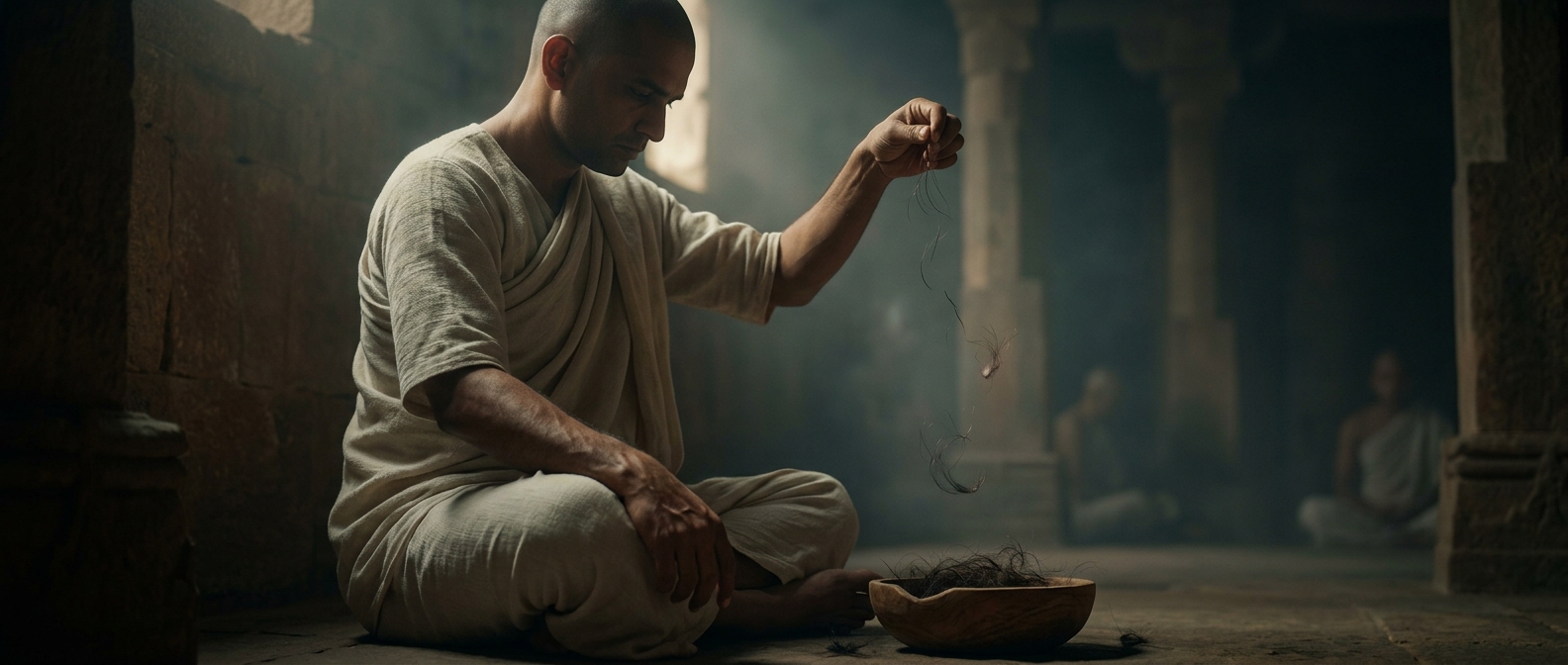
Remaining still for a long time means resisting small, often automatic adjustments: scratching an itch, redistributing weight, or reacting visibly to discomfort. Even breathing continues, so complete physical immobility is not literal. The effect depends on keeping the larger movements that attract attention to a minimum.
The episode illustrates how strongly animals use motion to interpret their surroundings. A human body does not have to become stone; for a moment, withholding the movements that mark it as alive may be enough to make it seem like part of the scenery.