A tool built for the moment players needed it
A multiplayer game can depend on quick coordination: teammates need to call out what they see while keeping their attention on the action. The founders of Discord were making a game and built voice chat to help players communicate during play. The game did not find an audience, but the communication problem the tool addressed remained.
That distinction mattered. A game is tied to its characters, rules, and audience; a voice-chat tool can be useful across many games and groups. Once the founders shifted their attention from the game to the tool, they were no longer asking players to adopt one particular title just to use its communication system.
From game feature to its own product
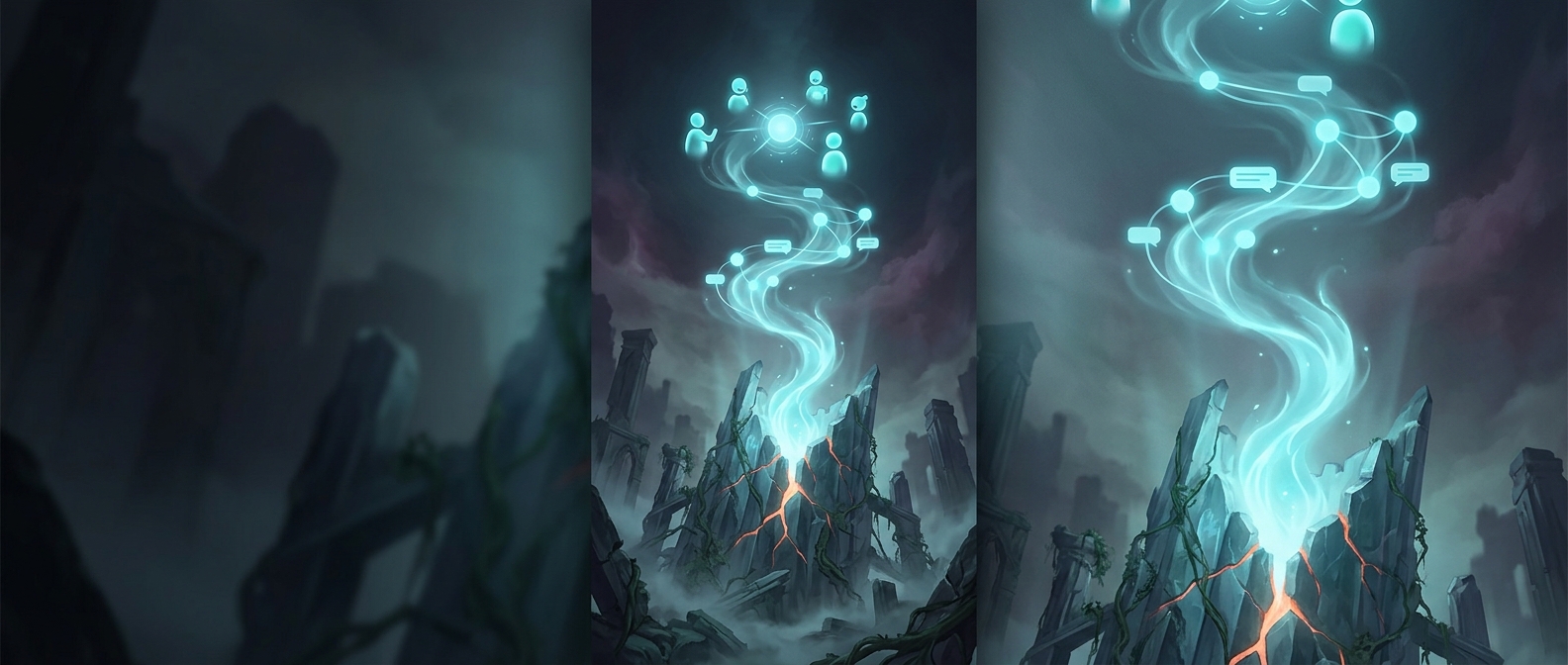
The shift turned an internal feature into the main product. Players could gather in a shared online space to talk, with text chat providing another way to communicate when speaking was inconvenient. Instead of treating communication as something that only happened inside one game, Discord made the community around play the center of the experience.
That change in scope helps explain why the failed game did not end the project. The game had been one possible use for the tool; the tool could serve groups whose conversations continued before, after, or apart from a particular match. The founders kept the part of their work that solved a problem beyond the game itself.