CPR acts as a temporary pump
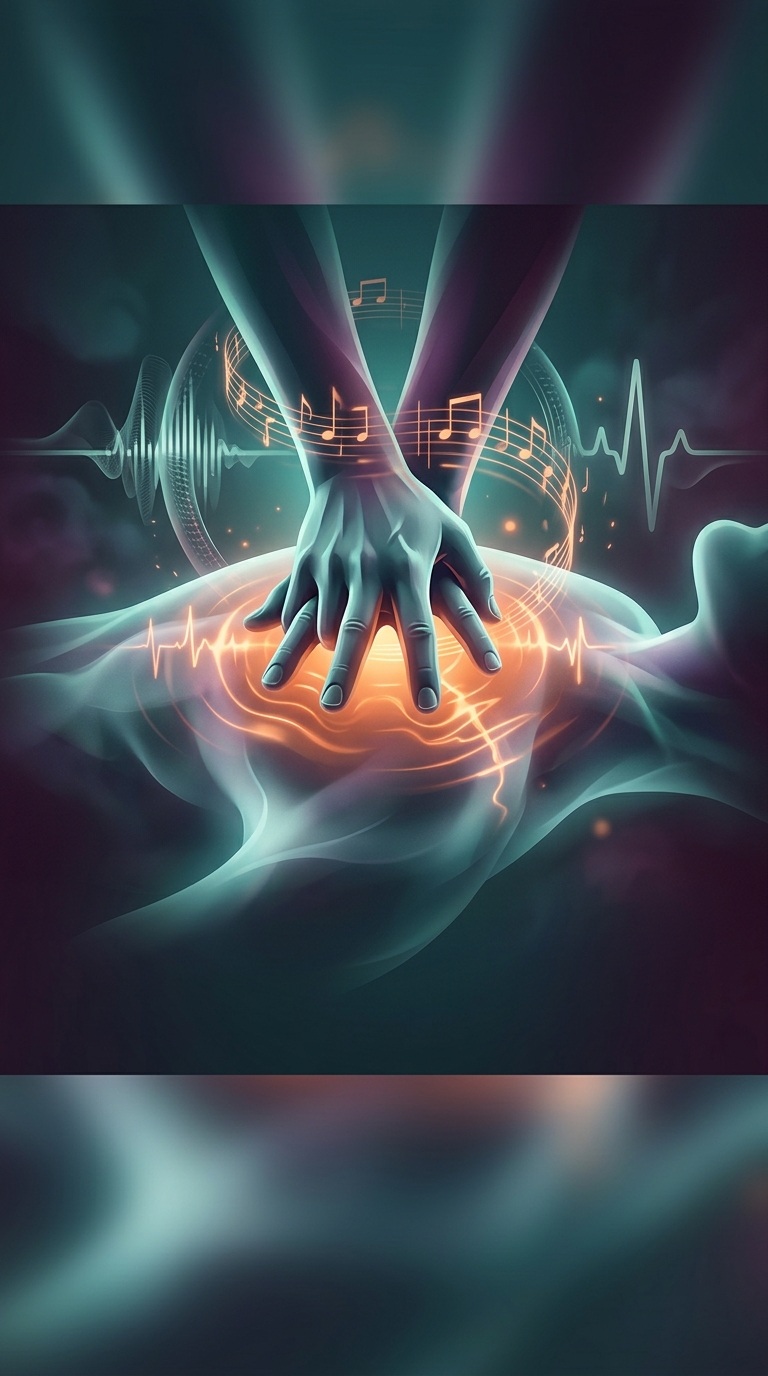
When the heart suddenly stops pumping effectively, blood flow to the brain and other organs can collapse within seconds. Chest compressions do not usually make the heart start beating normally again. Instead, they squeeze the chest in a way that moves some blood through the body, then allow the chest to spring back so it can refill.
That flow is limited, but it can buy precious time. Without it, the brain is deprived of oxygen while emergency help is still on the way.
The goal is to keep organs alive until treatment
CPR is a bridge to care—not a complete fix. Emergency responders may use a defibrillator, which delivers an electric shock to correct certain dangerous heart rhythms, and treat the underlying cause of the arrest. A shock does not work for every rhythm, and it is not the same as simply “restarting” a heart that has stopped in all circumstances.
Rescue breaths can also provide oxygen, especially in situations where the arrest followed a breathing problem. For an adult who suddenly collapses, however, immediate chest compressions are a crucial first step; a bystander should call emergency services and follow the dispatcher’s instructions.
Why continuing matters
Even though compressions provide only a fraction of normal circulation, stopping them means that small amount of blood flow stops too. CPR keeps oxygen moving toward vital organs while the next intervention is arranged. Its central job is to preserve a chance of recovery—not to restart the heart by itself.