Why Left 4 Dead Changed Its Enemies
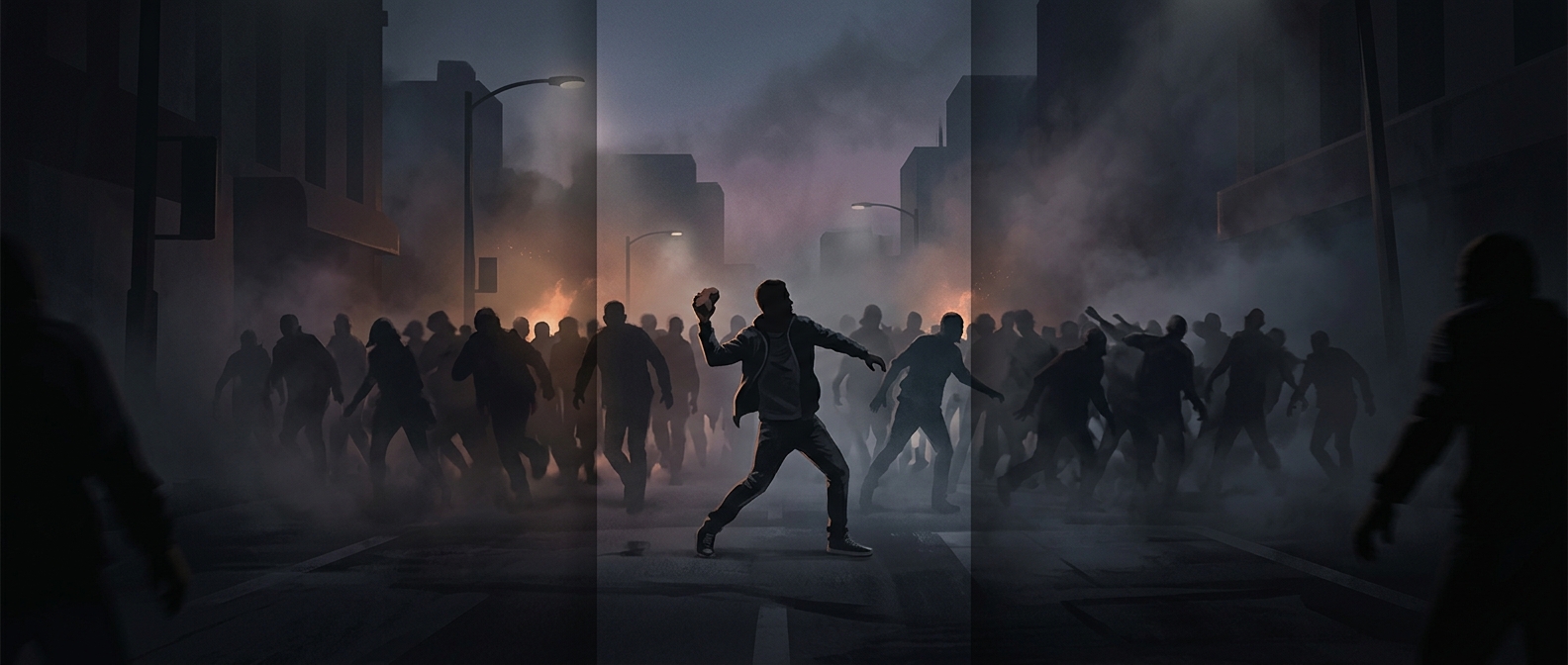
In early versions of Left 4 Dead, the survivors were meant to fight ordinary people swept up in a violent riot. That premise made the threat recognizably human—but it also created a problem once the game’s action took shape. Players would be mowing down crowds of people who, in the story’s terms, were caught up in a crisis rather than being monsters by nature.
The Difference a Zombie Makes
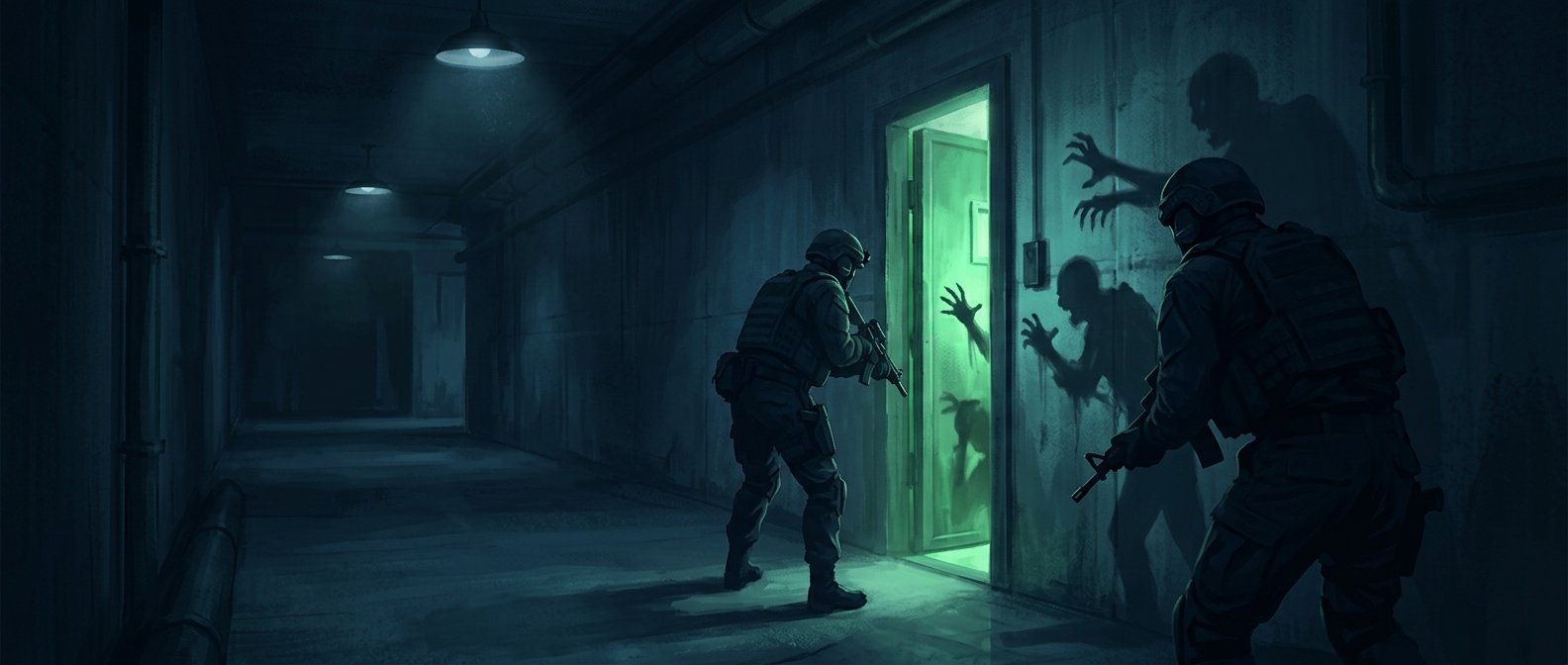
A zombie is a fictional, already-dead enemy whose danger comes from its relentless attack, not from a human choice to join a riot. Replacing rioters with zombies changed the moral frame of the same basic action: shooting through a crowd became survival against creatures, rather than killing large numbers of ordinary people.
That distinction mattered for a game built around repeated encounters with masses of enemies. If players are expected to fight their way through wave after wave, the identity of the targets shapes how those scenes feel. Human enemies could make the violence seem less like desperate survival and more like slaughtering people who might otherwise be understood as victims of the disaster.
A Story Choice That Supports the Action
The change let the game keep its central pressure—a group of survivors facing overwhelming crowds—without asking players to treat ordinary civilians as disposable targets. It is a reminder that enemy design is not just a matter of appearance: changing who the player is allowed to shoot can alter the meaning of an entire combat system.