Choline helps build the brain’s working parts
A developing brain needs more than a blueprint: it needs materials to build cells and the signals that let those cells communicate. Choline supplies both. The body uses it to make phospholipids, fats that form the membranes around cells, and acetylcholine, a chemical messenger involved in many nervous-system functions. It also contributes to processes that help regulate how genes are used.
That makes choline relevant throughout development, including as brain regions such as the hippocampus take shape. The hippocampus helps form and retrieve memories; it is one part of a much larger developmental process, not a guarantee that a particular nutrient will determine a child’s future abilities.
Why it can be easy to miss
Pregnancy increases the body’s demand for choline, but it is not always prominent in conversations about prenatal nutrition. Many prenatal supplements contain little choline or none at all, so taking one does not necessarily mean a person is getting much of it. Intake can also depend on everyday food choices.
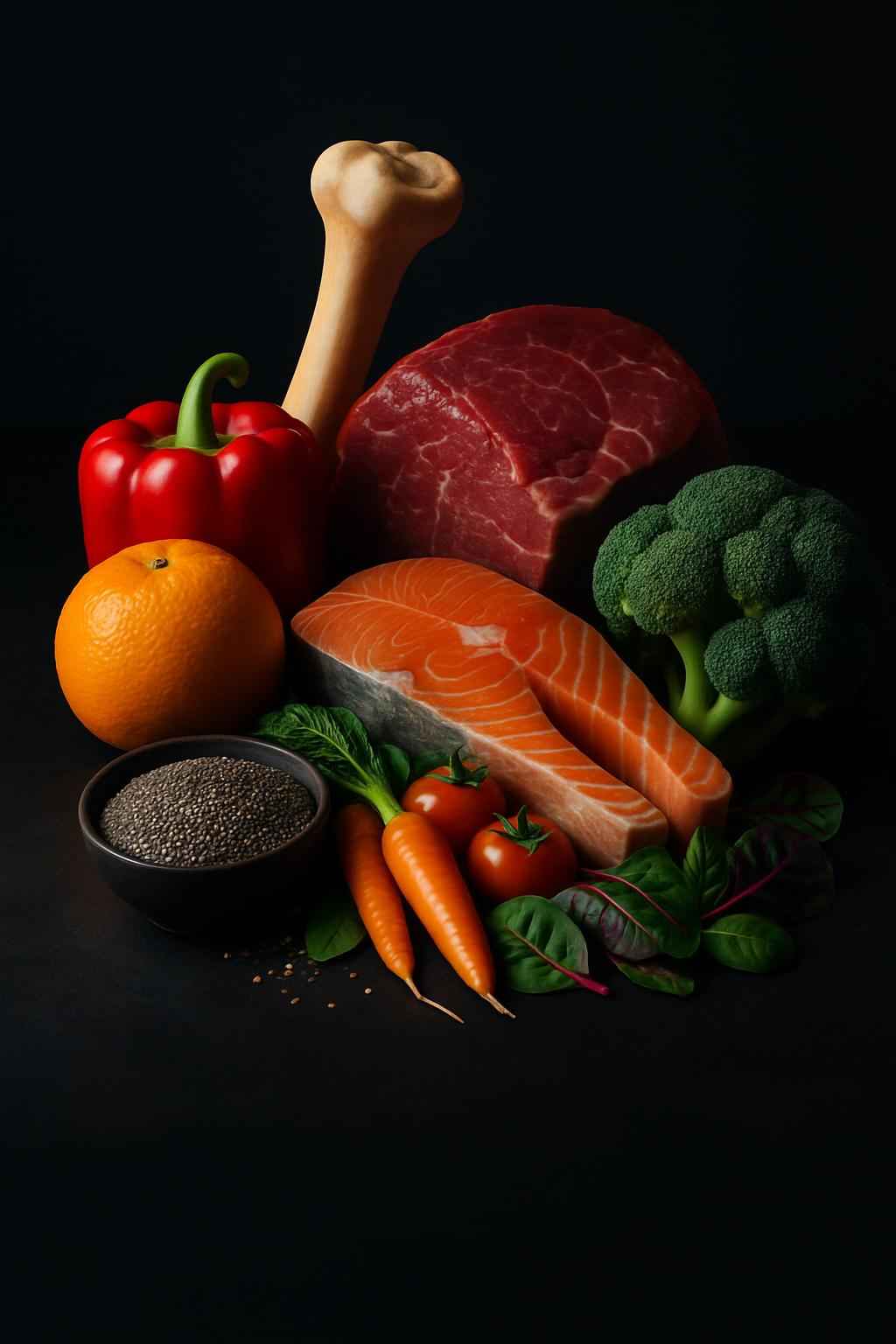
Egg yolks are a concentrated source. Choline is also found in foods such as meat, fish, dairy, beans, and some vegetables, though amounts vary. The nutrient is present in ordinary foods, but that does not ensure everyone gets enough—especially when diets are restricted or certain foods are avoided.
Food first, with individual needs in mind
Choline is an essential nutrient, meaning the body needs it but cannot make all it requires. Pregnancy nutrition is individual, and supplements are not interchangeable: a prenatal product’s label may not list choline, or may provide only a portion of what is needed. A clinician or registered dietitian can help assess food intake and whether a supplement makes sense.
The practical takeaway is simple: check the nutrient list rather than assuming “prenatal” means choline is covered.