How Caption Timing Is Built
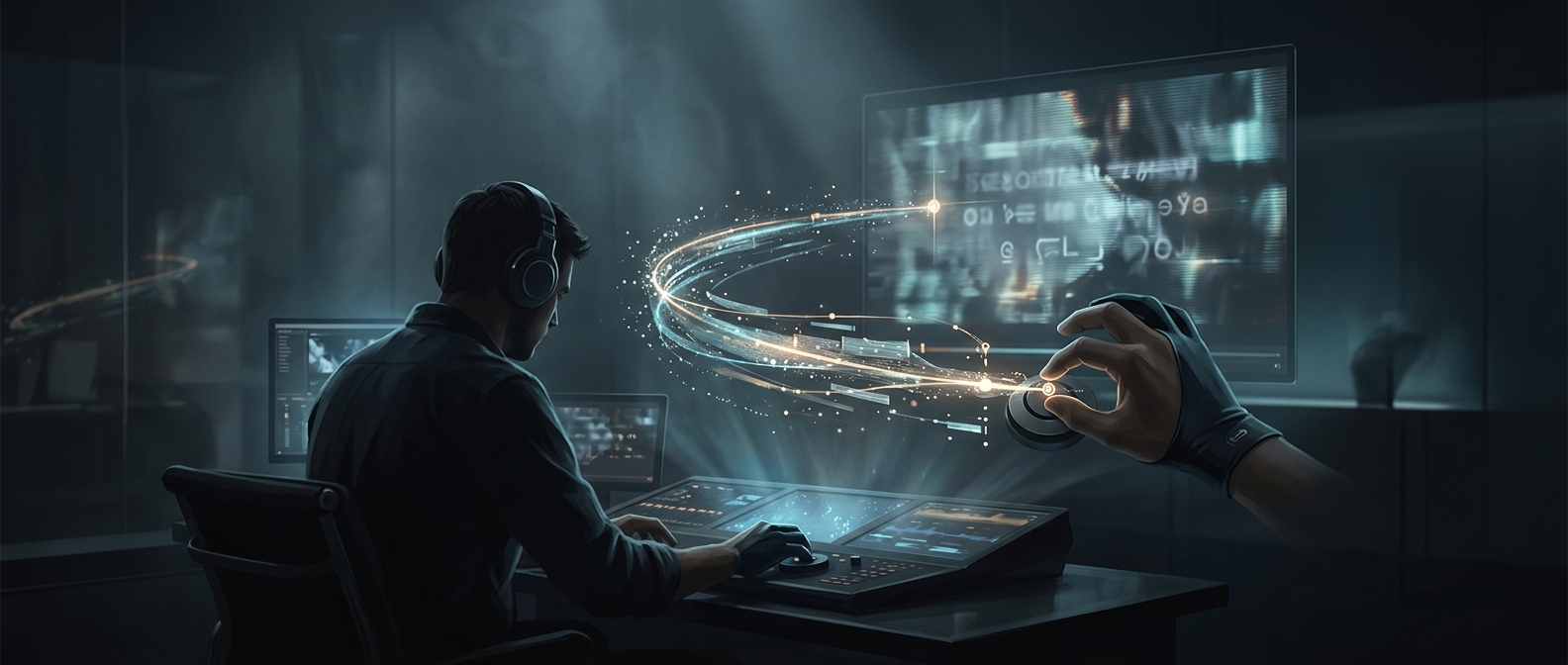
A caption is not simply a transcript placed over a video. Each passage of text needs a start time and an end time: when it first becomes visible and when it should disappear. A captioner watches the footage while working in captioning software, aligning those boundaries with the speech and the action on screen.
The timing has to account for how people actually read. If a line flashes by too quickly, viewers may miss it; if it stays after the speaker has moved on, it can obscure the next line or feel disconnected from the scene. Captioners therefore divide speech into readable chunks and adjust their timing against the video, often checking the result by playing it back.
Why Frames and Scene Changes Matter
Video is made of individual frames, so a caption can be adjusted to begin or end at a precise point in the image. A few frames can change whether text appears to match a spoken word, a speaker’s turn, or a visual transition. The aim is not to make every caption change exactly on a cut, but to keep the text closely tied to what viewers are hearing and seeing.
That human pass also helps captions fit the scene: a new speaker, a pause, or a meaningful sound may call for a new caption rather than one long block. Good timing makes the words feel like part of the video instead of an overlay that lags behind it.