A Small Sound Changes What the Cabin Feels Like
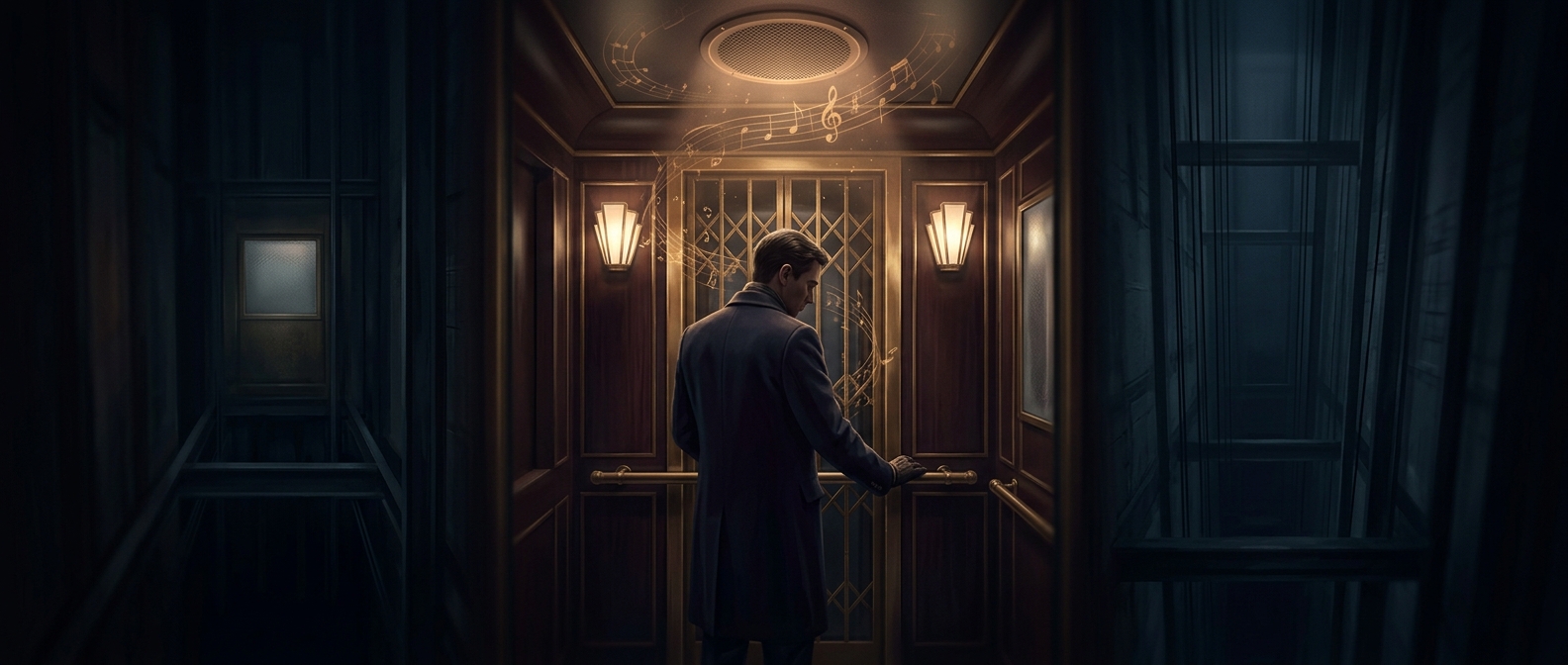
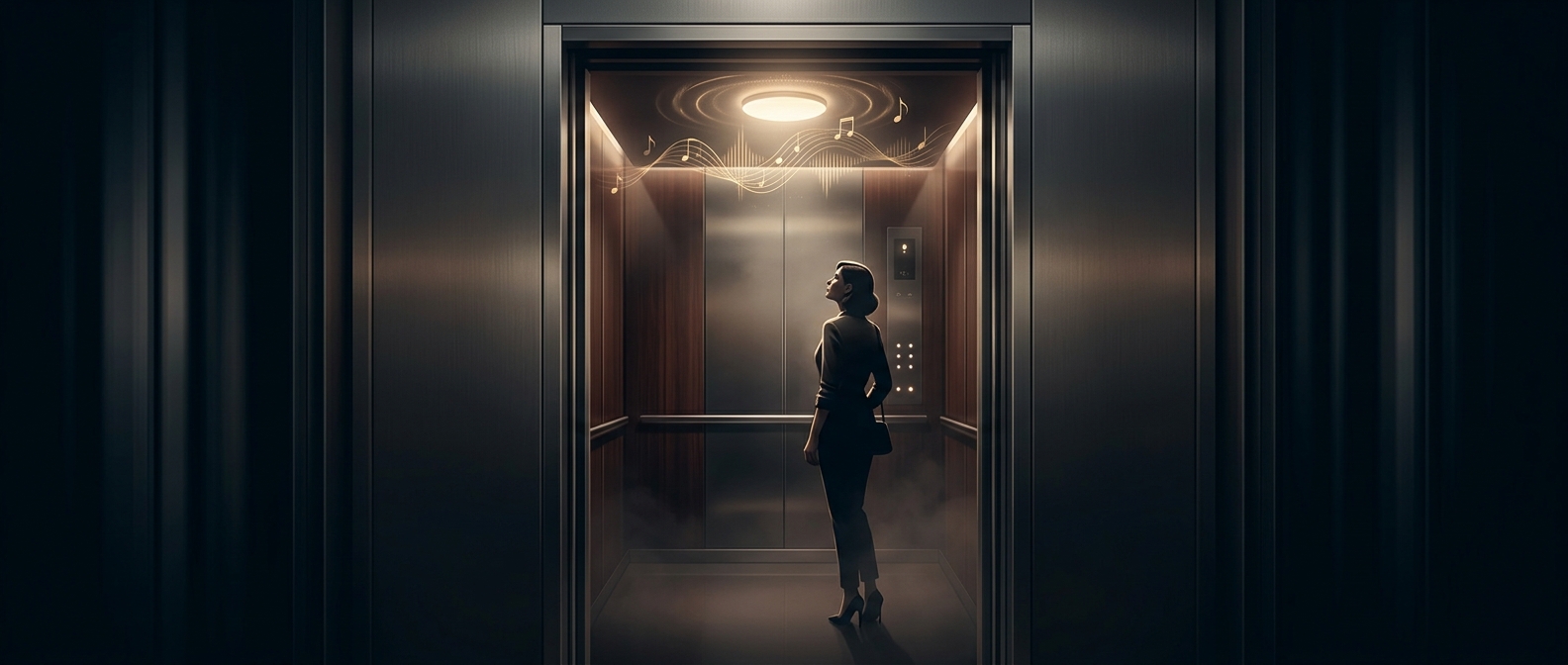
An elevator is a peculiar room: strangers are close together, there is little to look at, and the ride offers few choices about where to direct your attention. In that setting, quiet can make small sounds—footsteps, a throat clear, the machinery—seem unusually noticeable. A steady musical bed gives those sounds competition, so the cabin feels less acoustically bare.
Why Keep the Music Unobtrusive?
The goal is not to make passengers listen closely. Loud or dramatic music would demand attention and could make a short ride feel more intrusive. Soft, familiar-sounding music can sit in the background while dulling the contrast between silence and sudden noises. That matters especially when the elevator pauses or slows, moments when passengers might otherwise focus on the ride itself.
Music also offers a low-stakes shared focus. People can attend to it—or ignore it—without having to speak to one another. It does not remove the social awkwardness of standing face-to-face, but it gives the silence a neutral backdrop.
The effect is modest: the elevator still travels at the same speed, and the wait still lasts as long. But by changing what stands out during those seconds, background music can make the ride feel less exposed and less defined by its machinery.