Music changes the cost of staying
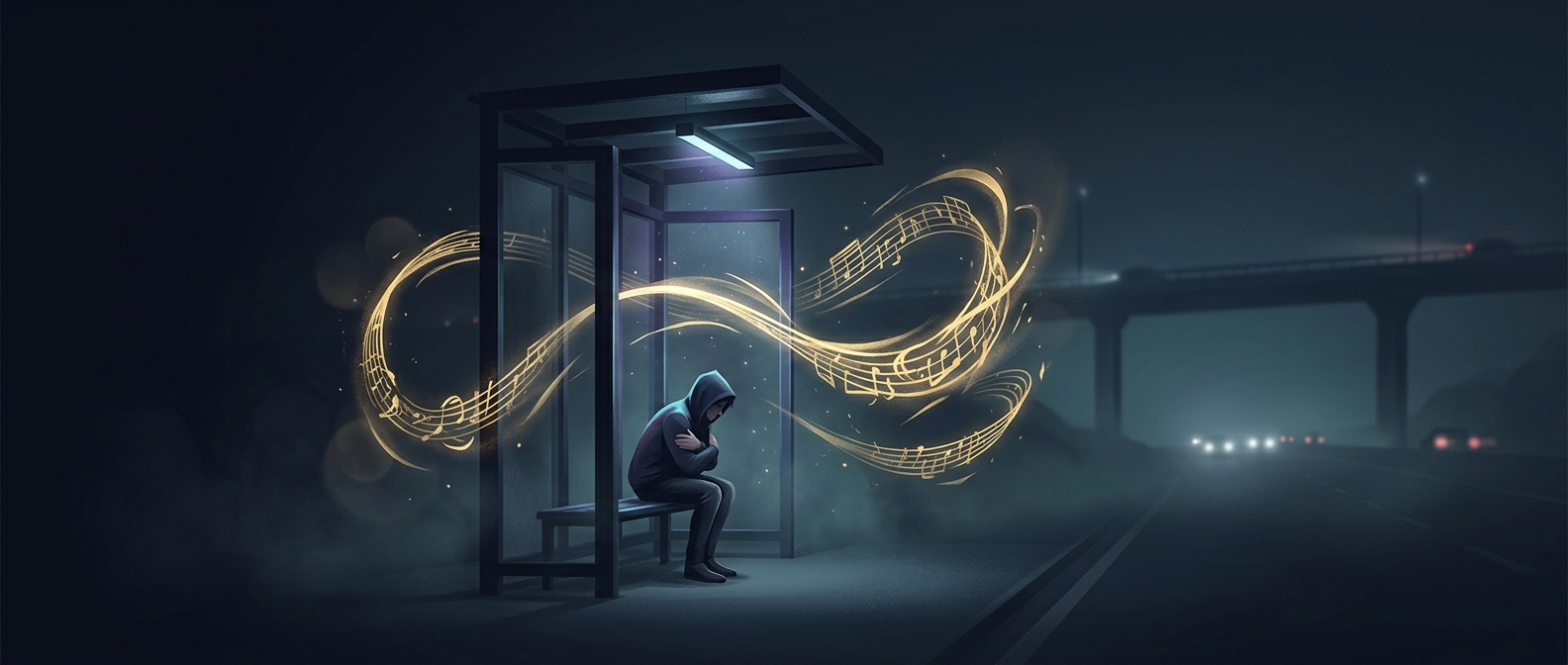
A rest stop is designed for a brief pause, but its sheltered benches and open access can also make it a place to linger. Playing music adds a small but persistent discomfort to that choice. Unlike a barrier or a closed door, the sound does not stop anyone from entering; it makes remaining there less appealing, especially for people who do not want to listen.
Classical music is not a special acoustic weapon. The tactic depends on the mismatch between the music and what some visitors want from the space: a continuous, conspicuous soundtrack can make hanging around less comfortable. It may shift behavior without confrontation or extra staff—but it cannot distinguish teenagers who are loitering from travelers who simply need a longer rest.
A low barrier with a wide reach
Sound carries beyond the people planners hope to move along. Travelers trying to sleep, workers on a night shift, or anyone sensitive to noise may bear the cost too. And if people are lingering because there is nowhere else to go, changing the soundtrack may move them rather than address why they stayed.
That is the tradeoff: music can make a public space feel less inviting without physically restricting access. The same speakers that discourage one group can turn an otherwise quiet stop into an uncomfortable place for everyone nearby.