Why leaning forward feels like an advantage
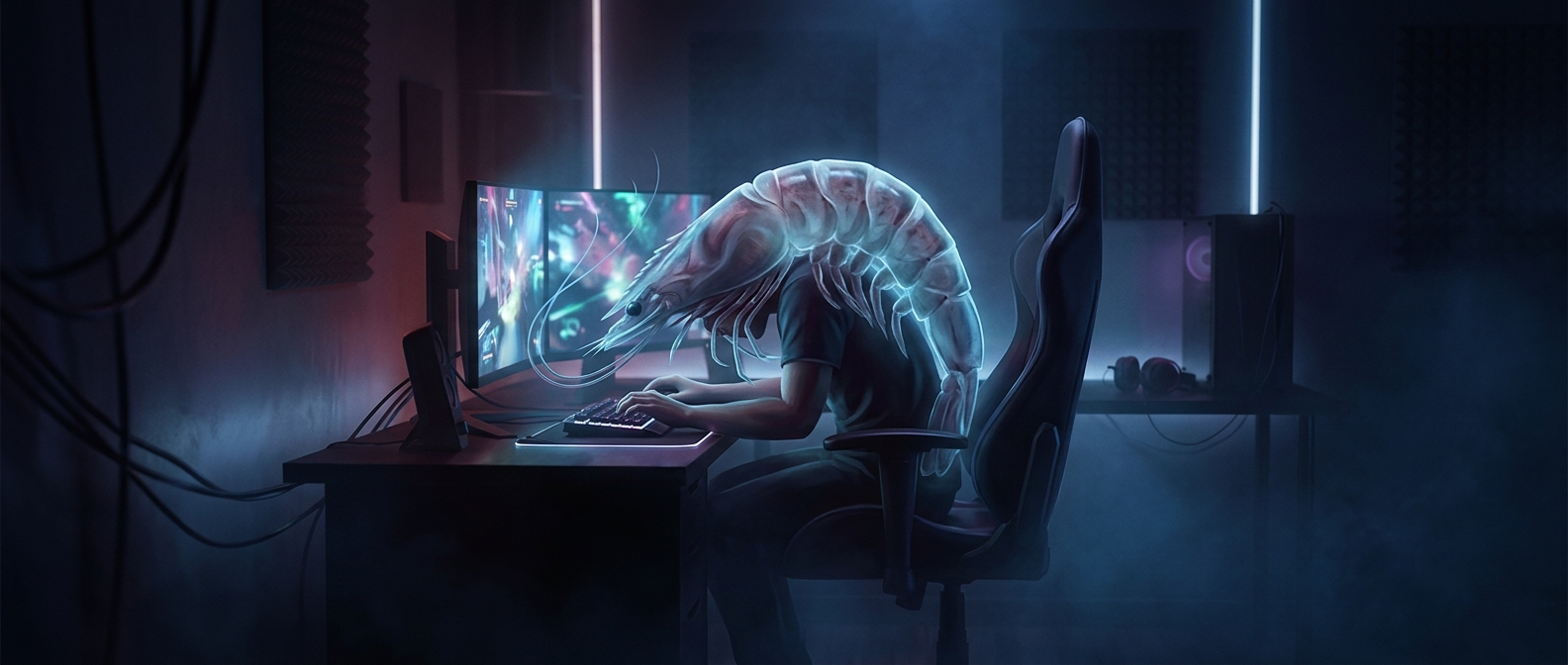
When a match gets tense, players often creep toward the screen as if closing the distance will help them act faster. The posture can feel like taking control: shoulders tighten, eyes fix on the action, and the player is physically poised for the next move. But leaning closer does not make the game’s signal reach the brain sooner or shorten the time it takes to choose and press a button.
Reaction time depends on a chain: noticing a cue, interpreting it, deciding what to do, and moving a finger or hand. A few inches of forward lean do not remove those steps. If the display is already easy to see, moving closer may simply make the image larger—not make the player’s response faster.
What the posture can change
Leaning in may help someone feel focused, especially when trying to read small details or follow a crowded scene. That can be useful if the screen is genuinely hard to see, but it is different from gaining faster reflexes. In a familiar game, anticipation and practice are more likely to help: recognizing an opponent’s setup lets a player begin choosing a response before the decisive animation appears.
The tradeoff is physical. Holding a rounded back and craned neck for a long session can leave the neck, shoulders, or back uncomfortable. The “shrimp” pose may signal that a player is intensely invested, but it is not a shortcut through the reaction-time process—and staying comfortable can matter more over the length of a match.