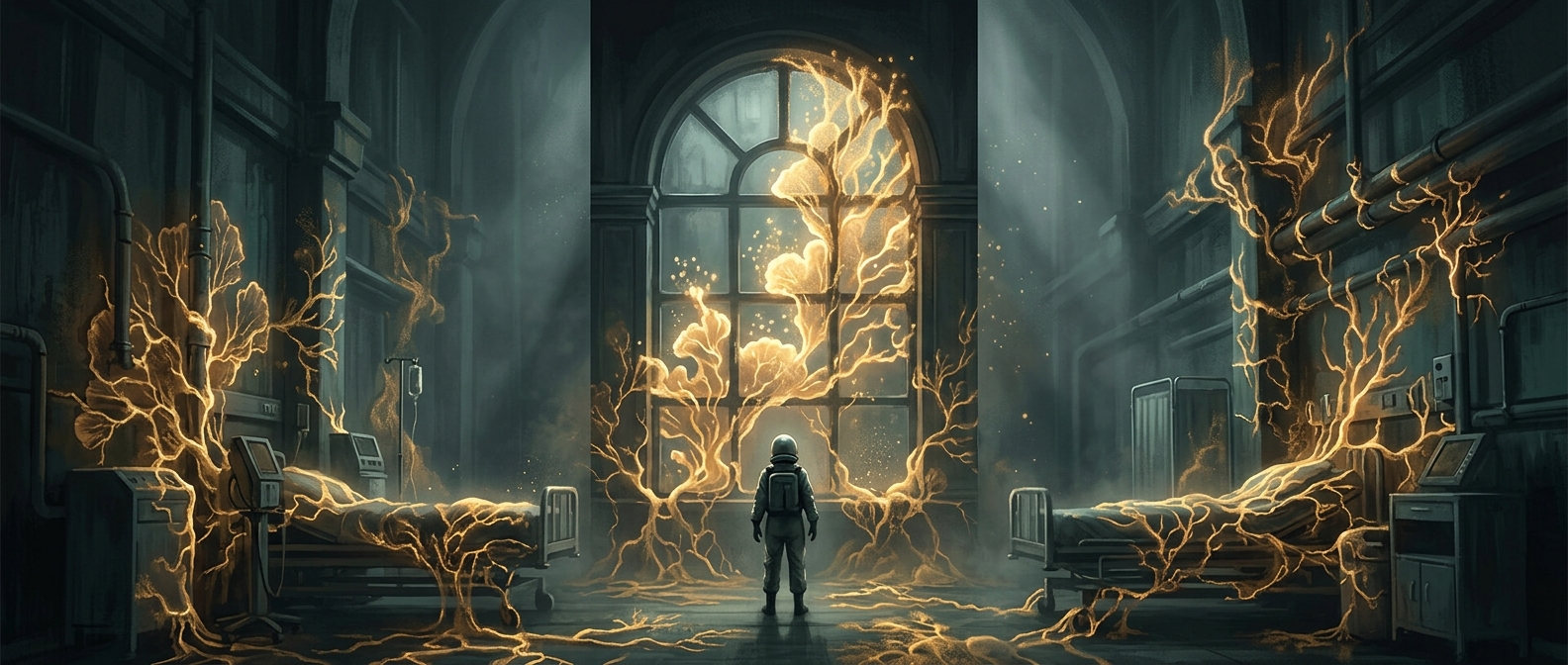
Why Candida auris is hard to contain
Candida auris is a yeast—a type of fungus—not a bacterium. In hospitals, it can live on a person’s skin without causing symptoms, a state called colonization. Someone who is colonized may still leave the yeast on bed rails, equipment, or other surfaces, where it can be picked up by another person or carried on a caregiver’s hands.
That creates a control problem with two linked parts: the fungus can move between people and their surroundings, and common antifungal medicines may not work against it. Resistant strains can leave clinicians with fewer treatment options if the yeast causes an infection.
The gap between carrying it and getting sick
Colonization is not the same as illness. Many carriers do not have an active infection, but the yeast can cause serious disease when it enters the bloodstream or another part of the body, especially in people who are already very ill or have invasive medical devices. This distinction matters: hospitals must reduce spread even when a person has no symptoms to signal that the organism is present.
Identification can also be difficult. Some routine laboratory methods may mistake C. auris for a different yeast, delaying recognition. Once it is identified, facilities may use precautions such as placing affected patients in private rooms when possible, using protective equipment, and cleaning shared spaces with products shown to work against the fungus.
Why ordinary cleaning may not be enough
A surface that looks clean is not necessarily free of microbes. Effective control depends on using the right disinfectant for the required contact time, paying attention to frequently touched surfaces, and cleaning equipment between patients. Antifungal treatment and environmental disinfection solve different problems: medicine treats infection in the body, while cleaning and infection-control measures reduce opportunities for transmission.
The practical consequence is that controlling C. auris is not a matter of treating one patient and moving on. Hospitals must also find carriers, recognize the organism accurately, and interrupt its route through shared rooms, hands, and equipment.