The Heart’s Rhythm Starts Inside the Heart
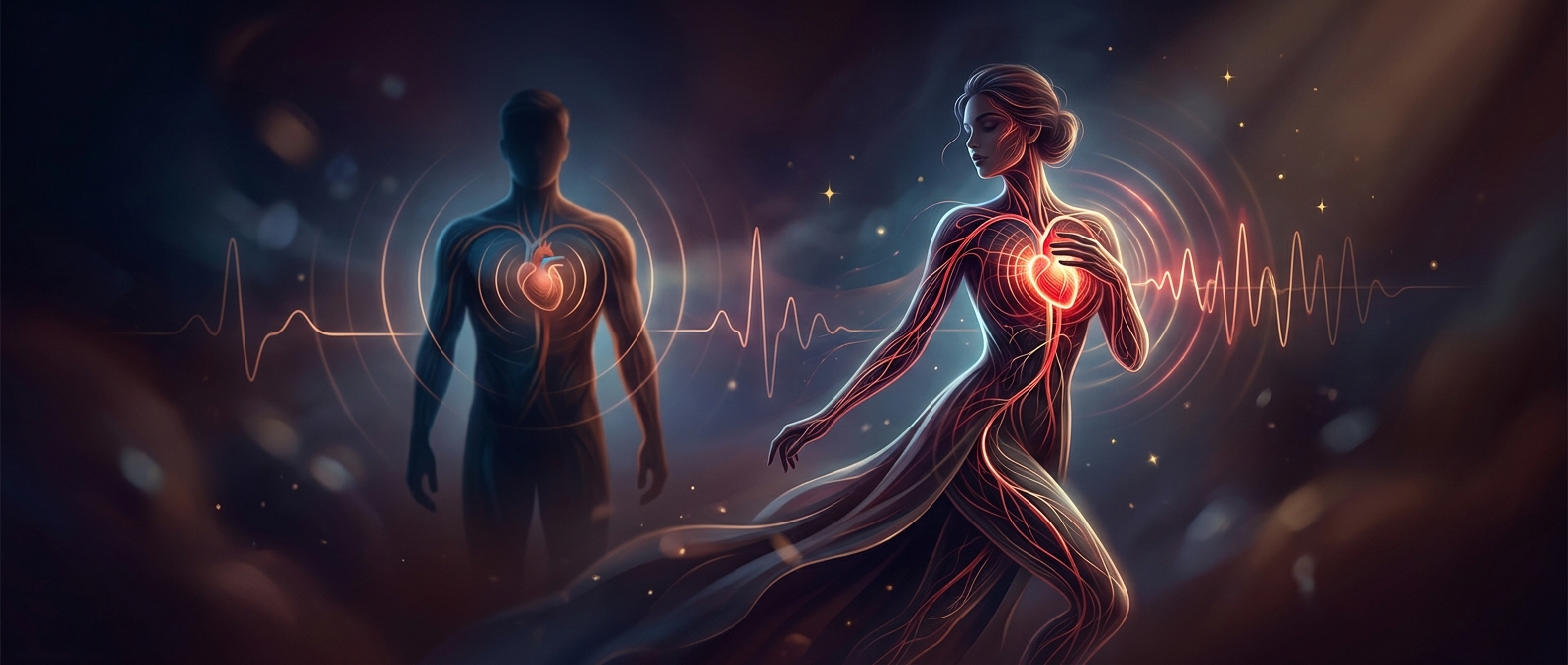
The sinoatrial node is a small group of specialized cells in the heart’s right upper chamber. Unlike ordinary muscle cells, these cells can generate electrical impulses on their own. Each impulse spreads through the heart’s electrical conduction system, prompting its chambers to contract in sequence and move blood.
The brain helps adjust the pace—for example, speeding the heartbeat during exertion or slowing it at rest—but it does not have to issue each beat as a command. When the heart is separated from the nervous system, that built-in rhythm generator can still trigger contractions for a time.
An Independent Starter Still Needs Fuel
Automatic electrical activity is not the same as independence from the body. Heart muscle needs oxygen and energy to keep its cells working. In a living person, blood supplies those necessities; a removed heart no longer has that circulation. Salt solution can help maintain the right chemical environment, but saline alone cannot replace a steady supply of oxygen and nutrients. In settings where a heart is kept functioning outside the body, it must be supported with suitable fluid and oxygen, and the rhythm and contractions may change as conditions deteriorate.
That distinction explains why a detached heart can beat without brain input yet cannot keep going indefinitely. Its electrical system can start the rhythm, but only living, adequately supplied muscle can carry it forward.